What Russia's Diesel Export Ban Means for Fuel Supplies
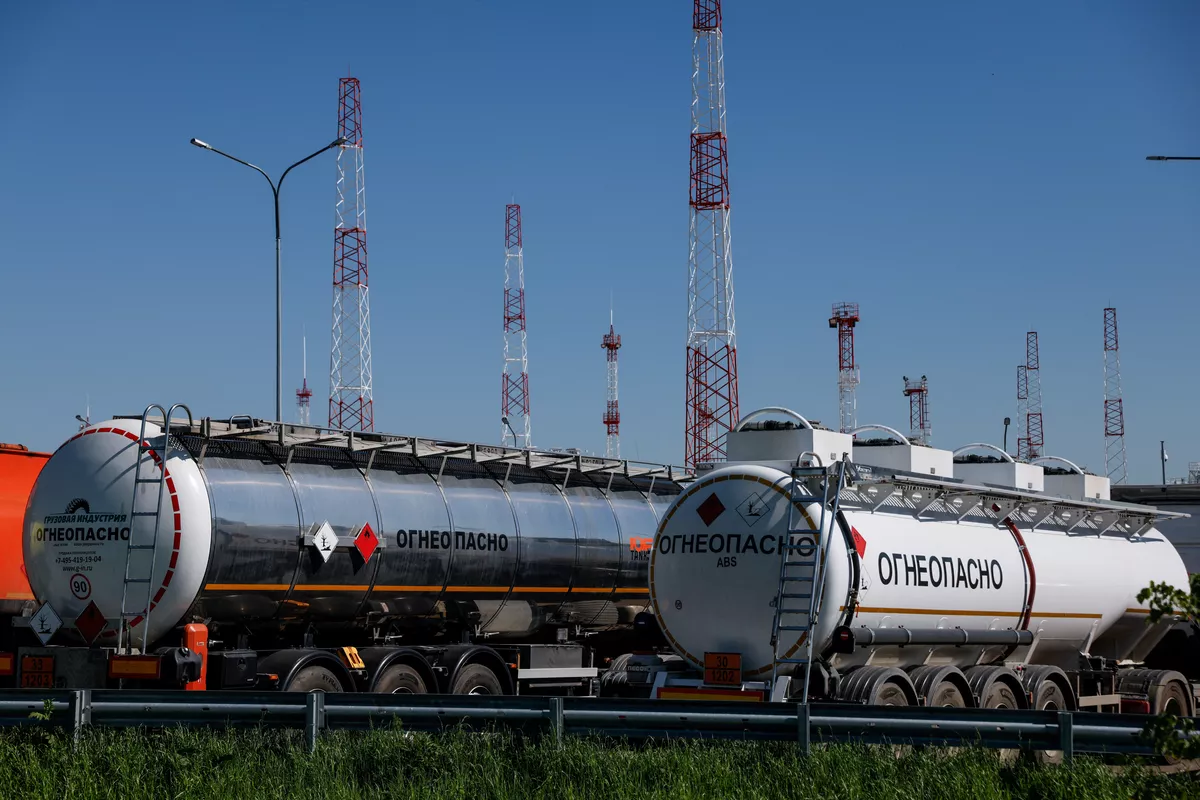
Russia has imposed a full ban on diesel fuel exports as part of a broader effort to increase domestic fuel supplies and address growing shortages in several regions, with both federal and regional authorities introducing new measures aimed at stabilising the country's fuel market.
The decision was announced by Russian Deputy Prime Minister Alexander Novak during a meeting between President Vladimir Putin and government officials. According to Novak, the export ban is designed to ensure that larger volumes of diesel remain within Russia to meet domestic demand.
"The measures will make it possible to increase supplies to the domestic market," Novak said.
Export Ban Aims to Ease Pressure on Domestic Market
The move comes as Russian authorities seek to prevent supply disruptions and ensure stable fuel availability for consumers and businesses. Diesel is widely used in agriculture, freight transport, construction and industry, making uninterrupted supplies particularly important during periods of increased seasonal demand.
By temporarily halting exports, the government hopes to redirect fuel that would otherwise be sold abroad to the domestic market, easing pressure on filling stations and wholesale suppliers.
The latest decision follows a series of measures adopted by regional authorities in response to tightening fuel supplies and increasing demand.
Altai Republic Introduces Stricter Fuel Sales Rules
Earlier, Andrey Turchak, Head of the Altai Republic, announced that new restrictions on the sale of gasoline and diesel fuel will come into force on July 9.
Under the new regulations, motorists will only be permitted to refuel their vehicles once every 24 hours in an effort to prevent excessive purchases and speculative resale.
Authorities will also require drivers to present a vehicle registration certificate before purchasing fuel.
According to Turchak, petrol station operators will record each vehicle's registration number in a centralised system, making it impossible for the same vehicle to purchase fuel again before the 24-hour limit expires.
"Operators will enter the vehicle's registration number into the system, making repeat refuelling beyond the established limits within 24 hours impossible," he said.
Fuel Purchase Limits Reduced in Several Districts
The regional government has also revised the maximum amount of fuel motorists can purchase each day.
In the Choya, Turochak, Gorno-Altaysk, Mayma and Chemal districts, daily purchase limits have been reduced to 30 litres of gasoline and 50 litres of diesel per vehicle.
In the republic's remaining districts, existing limits will remain unchanged at 50 litres of gasoline and 100 litres of diesel per day.
Authorities said fuel sales in canisters will still be allowed, but only for volumes of up to 10 litres and only after customers present the required documentation.
Digital Monitoring of Fuel Supplies
In addition to the restrictions, regional officials plan to introduce an interactive online map that will provide real-time information on fuel availability at filling stations and indicate when the next deliveries are expected.
The system is intended to improve transparency, help motorists locate available fuel and reduce unnecessary travel between service stations.
Part of Wider Efforts to Stabilise Supplies
The nationwide diesel export ban, together with tighter regional controls on fuel purchases, reflects Moscow's broader effort to prioritise domestic fuel availability over exports.
The measures are expected to increase supplies to the internal market while limiting excessive fuel purchases and reducing opportunities for reselling fuel in regions experiencing shortages. Authorities have indicated that the restrictions are aimed at maintaining stable fuel supplies for consumers and businesses as demand remains elevated.