World Bank, Green Energy Corridor JV Outline Next Steps for Cooperation

Photo credit: renewables.az

World Bank, Green Energy Corridor JV Outline Next Steps for Cooperation

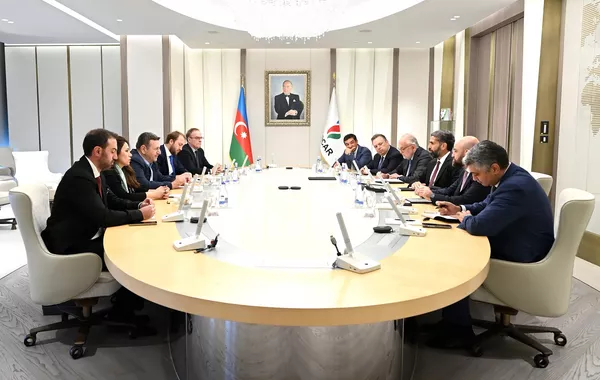
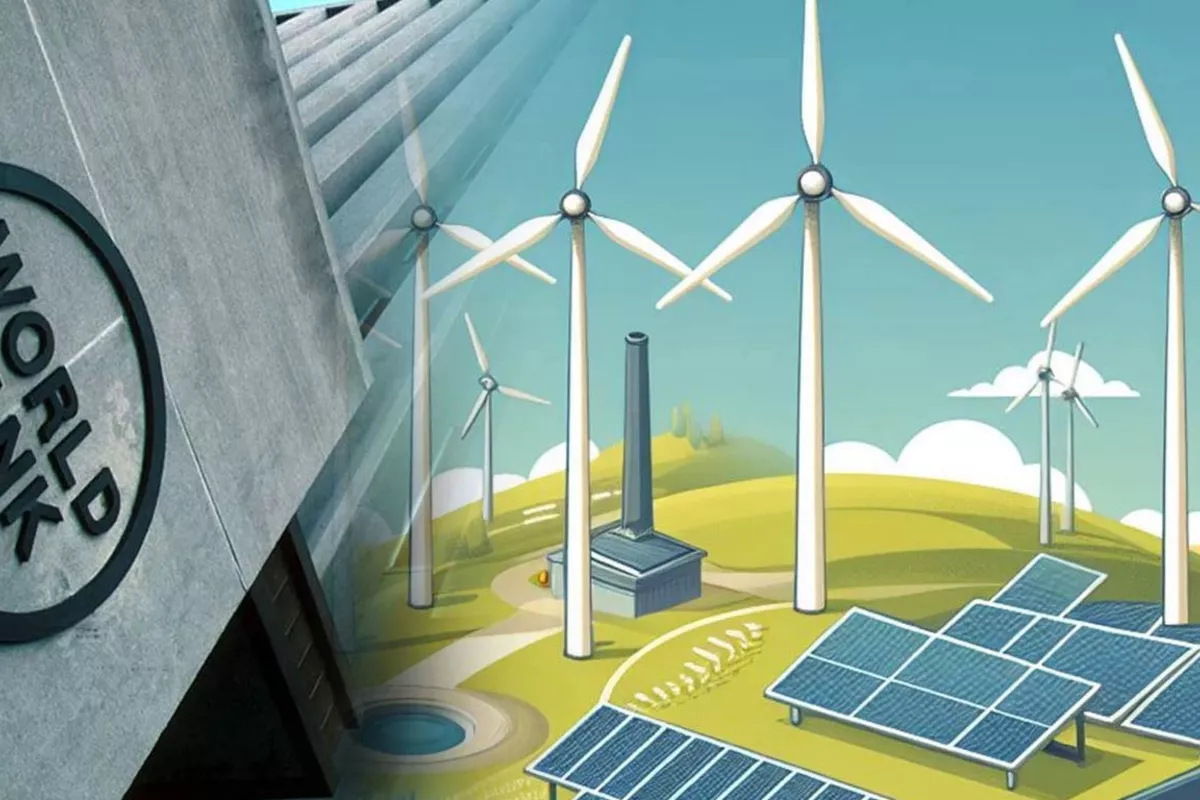
The World Bank (WB) and the Green Energy Corridor (GECO, Black Sea Energy) joint venture, part of the Caspian-Black Sea-Europe green energy export project, have agreed on several concrete steps to enhance cooperation and develop a clear action plan, according to Report.

During the online meeting, the parties also reviewed the current status of the project, exchanged views on key developments, and aligned on several concrete next steps to further strengthen cooperation and structure the way forward, The Caspian Post reports, citing Report.

It is noted that the WB is interested in supporting strategic regional energy connectivity and the development of the Green Energy Corridor.

In 2022, a strategic partnership agreement on the development and transmission of green energy was signed in Bucharest between Azerbaijan, Georgia, Romania, and Hungary. This document marked an important step towards the formation of a green energy corridor to Europe.

A memorandum of understanding on the establishment of a joint venture for the Caspian-Black Sea-Europe green corridor project was signed on July 25, 2023, between Georgia, Hungary, Romania, and Azerbaijan.

The Black Sea submarine cable project is a major infrastructure project that will directly connect Georgia and Romania and link the power systems of the South Caucasus and Southeastern Europe. The submarine cable will be over 1,155 km long (1,115 km underwater and 40 km on land), with a voltage of 525 kV and a capacity of 1,300 MW. Completion of the submarine power cable across the Black Sea is scheduled for 2032.

Related news

The World Bank (WB) and the Green Energy Corridor (GECO, Black Sea Energy) joint venture, part of the Caspian-Black Sea-Europe green energy export project, have agreed on several concrete steps to enhance cooperation and develop a clear action plan, according to Report.