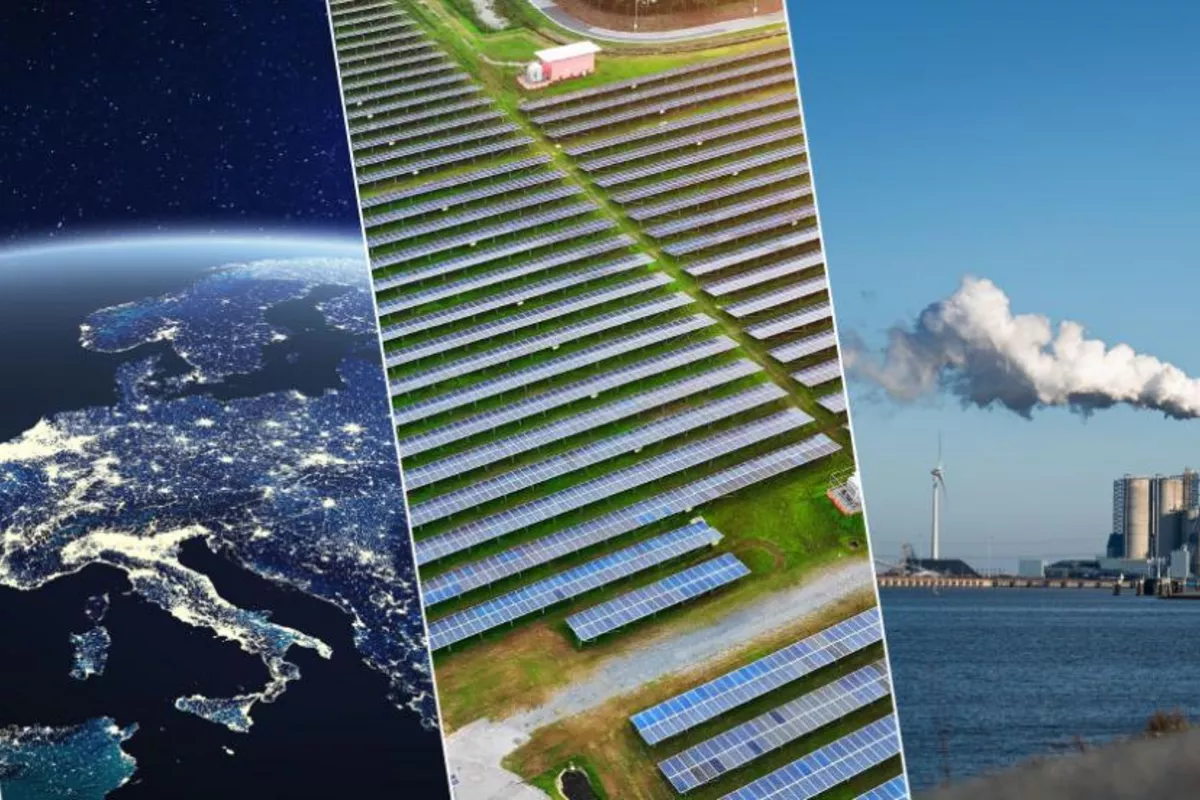
Türkiye and Australia, as co-hosts, are seeking commitments from countries to adopt global targets in three key priority areas ahead of this year’s COP climate negotiations.
The two countries set to lead this year’s COP31 have unveiled three headline goals for November’s UN climate summit - on electrification, waste and buildings - following six months of consultations with governments, The Caspian Post reports, citing Climate Change News.
At mid-year climate talks in Bonn, Turkish COP31 President-Designate Murat Kurum and the talks’ chief negotiator, Australia’s Chris Bowen, billed the targets as a blueprint for climate action, with electrification emerging as the top priority.
Bowen said he wanted this year’s COP negotiations in the Turkish city of Antalya to “take inspiration” from the targets, adding that he would push in particular for a “strong outcome” on switching from fossil fuels to electricity to run vehicles, industry and buildings.
"35 by 35" Goal
The electrification target - dubbed the “35 by 35” goal and based on analysis by the International Renewable Energy Agency (IRENA) - would strive to ramp up the share of final energy consumption provided by electricity to 35% by 2035 from about 20% today.
That would be achieved by accelerating the switch to technologies such as heat pumps, electric vehicles (EVs) and electric cookers.
Bowen said he wants to lead a push focused on "electrifying everything that can be electrified and making sure as much of that electricity as possible is renewable”.
He said electrification is “the key to transitioning away from fossil fuels”, urging negotiators to keep in mind that 2035 is just nine years away.
Kurum said the COP presidency would work to forge “a strong global coalition that is ready and determined to act”, promising to facilitate access to technical assistance, particularly to developing countries.
Fatih Birol, the head of the International Energy Agency (IEA), which will produce a special report to map out pathways to achieving the target, said the world was already electrifying because of the current global oil shock and the growth of electricity-using sectors such as air conditioning, EVs and AI data centres.
Previous COPs have seen similar goals on boosting renewables, energy efficiency, nuclear, biofuels, grids and other technologies. Some of these have been agreed by all governments as part of a negotiated COP decision, while others have remained as goals that only some countries have put their names to.
Bowen told reporters in Bonn there was strong interest around the world in electrification as he continues his talks with governments, saying the COP presidency wanted “to seize that for the negotiations”.
Climate campaigners generally welcomed the announcement. Duygu Kutluay, a campaigner at Beyond Fossil Fuels, said elevating electrification to a flagship priority was a “positive step”.
But she cautioned that “electrification can only deliver meaningful climate benefits if the power comes from renewables, not fossil fuels”.
Berkan Ozyer, director of Greenpeace Türkiye, said the electrification goal was “vital”, noting however that Türkiye has 37 active coal power plants and was “leaving the door open” for more.
Last-Minute Change on Buildings
At the same time, the COP presidency quietly overhauled its goal for reducing energy use in buildings.
An initial press statement on Monday set out a target “to achieve at least a 25% increase in energy efficiency in buildings by 2035”. But in “a small update” issued on Tuesday, that was replaced with a different goal to “reduce energy consumption intensity in the building sector by at least 25% by 2035”.
No reason was given for the change and Kurum did not directly address a question from Climate Home News about the decision to remove the energy efficiency target, a step that experts said raised potential questions about ambition and implementation.
“Energy efficiency improvement and energy intensity reduction are complementary metrics: efficiency targets drive the deep physical upgrades that lock in long-term performance and, crucially, higher resilience, while intensity targets keep operators accountable for real-world outcomes. What matters is that both remain in the frame,” Roxana Dela Fiamor, global policy lead at the U.S. Green Building Council, told Climate Home News.
“Only looking at energy intensity is really delaying the crucial role that buildings can play in the energy transition,” she added.
Focusing only on energy intensity risks delaying deeper structural changes, she warned, as it can be achieved through short-term measures like switching off lights or optimising usage, rather than investing in retrofits.
“Energy efficiency requires a lot of investments and structural measures, energy intensity is easier to achieve. But energy intensity is not sufficient,” she said. “It doesn’t tackle the systemic changes needed, it doesn’t look at all the different components that drive energy consumption in buildings."
Missing Details on Waste Target
The COP31 presidency has set a goal to halve the growth in global waste by 2035, but key details about the goal are still missing.
Announcing the target, Kurum said waste was “one of the areas where the fastest results can be achieved” in climate action, but he did not specify the baseline for the target, or what types of waste it covered. A COP31 spokesperson did not immediately respond to requests for clarification.
Mariel Vilella, climate director at the Global Alliance for Incinerator Alternatives, said it was “encouraging” to see waste getting more attention, but warned that the target “remains difficult to assess without clarity on the baseline, scope and implementation pathway”.
She said success should be judged not by a headline figure alone, but by whether it drives real change - including waste prevention, methane cuts, lower plastic production and protections for waste workers.
The United Nations Environment Programme (UNEP) estimates that municipal waste could rise from 2.1 billion tonnes today to 3.8 billion tonnes by 2050 without significant action.
Cutting waste generation would curb planet-heating emissions, protect ecosystems and improve human health, the UN says.
New Initiative on Climate Finance?
The COP31 joint presidency has also floated a new climate finance initiative - the so-called Climate Implementation Bridge (CIB) - to help countries make progress on the three proposed targets.
Kurum said the initiative would not involve creating a new fund or financial mechanism, describing it as “a complementary initiative that supports climate finance and strengthens partnerships among countries".
While few further details were immediately available on how it would work or fit into the existing climate finance landscape, Rebecca Thissen of CAN International said adding new processes without simplifying existing systems risked causing confusion and proving counterproductive.