At Davos, Azerbaijan and Armenia Forge Ahead as Georgia Remains on the Sidelines
The 56th World Economic Forum (WEF) in Davos kicked off this year with the theme "A Spirit of Dialogue," gathering nearly 3,000 leaders from over 130 countries to address economic, technological, and political challenges.
Heads of state, business leaders, and civil society representatives took part in panels and discussions on global growth, emerging technologies, and security concerns, The Caspian Post reports, citing Georgia Today.
The forum made clear how connected and interdependent countries have become, while also showing the difficulties in finding common ground.
Artificial intelligence was one of the most discussed topics. Tech leaders, investors, and policymakers explored how AI can improve productivity and create new economic opportunities, while also raising questions about ethics, regulation, and the future of work. Speakers stressed that AI could help education, healthcare, and transportation, but careful planning is needed to avoid negative consequences, such as privacy violations or job losses.
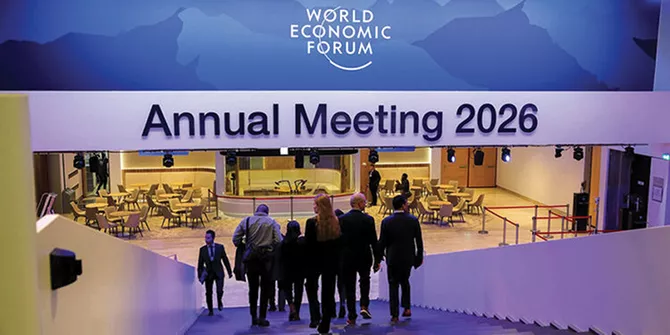
Davos 2026. Source: theafricareport
Tensions on the Global Stage
US President Donald Trump drew attention with his comments on Greenland. He said the island was “essential to our security” and suggested it could play a strategic role in US interests, while insisting the country would not use force. European leaders responded by stressing the need to respect sovereignty and international law. The exchange reflected ongoing tensions between the United States and Europe, even as both sides work to cooperate on security and economic issues. Other topics included energy supply, climate change, and global trade, showing how many issues are connected.
Georgia’s Absence and Regional Developments
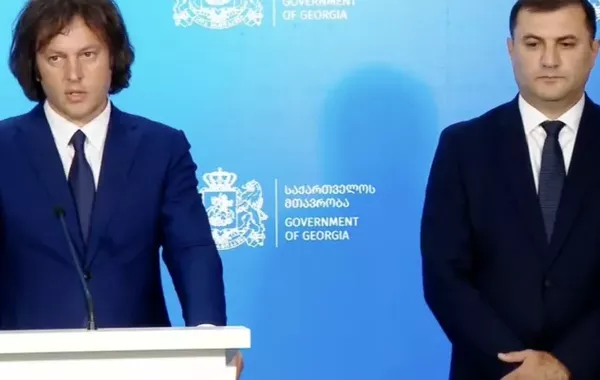
Georgia was not represented at the forum for the second year in a row. Prime Minister Irakli Kobakhidze did not receive an invitation, continuing the pattern from 2025. For a country that has long served as a transit hub in the region, missing the forum reduces its visibility and influence in international economic discussions.
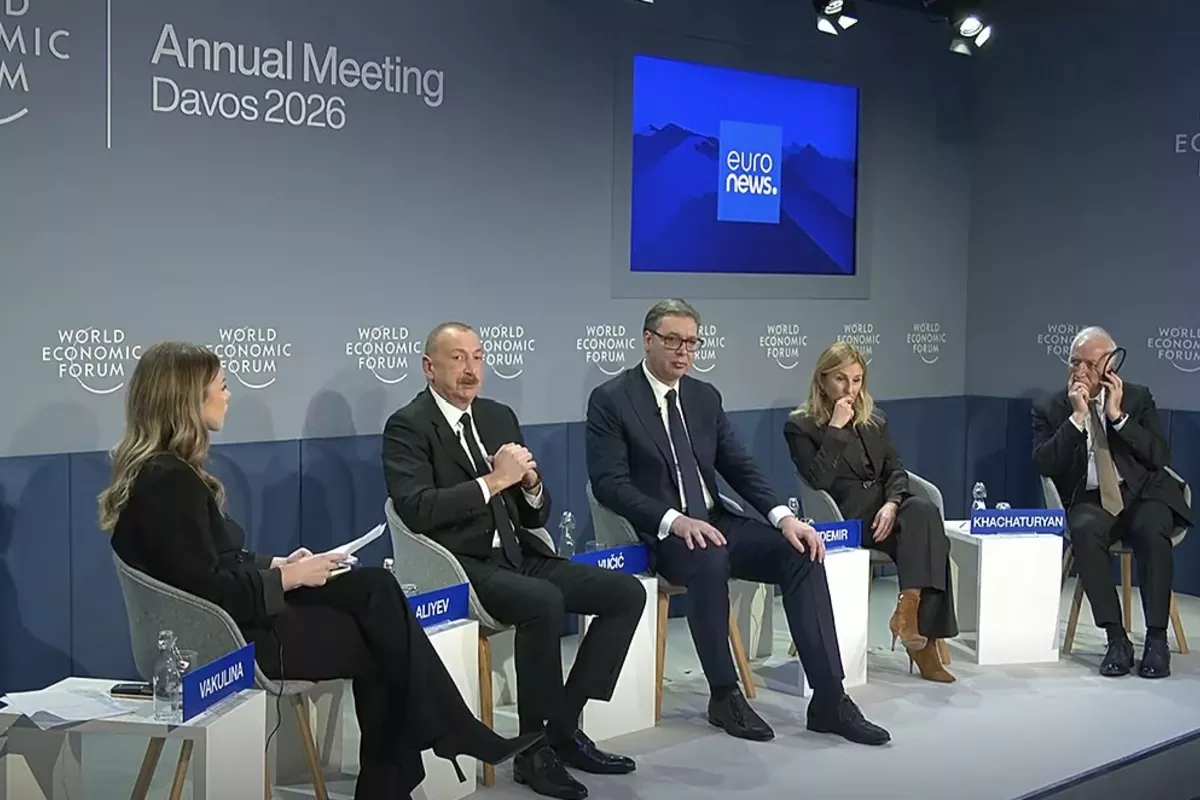
At the same time, Georgia’s neighbors played a visible role in regional trade discussions. Armenian President Vahagn Khachaturyan and Azerbaijani President Ilham Aliyev spoke about new transport and trade routes that could bypass Georgia. Khachaturyan said that while cargo currently passes through Georgia, “direct transportation between Baku and Yerevan may be possible in the future.” Aliyev confirmed that Azerbaijan had opened transit corridors and received requests from Armenia. These developments could change regional trade patterns and affect Georgia’s role as a transit country.
Georgian Voices at Davos
Although the government was absent, Georgia was represented in the academic and business sector. Nino Enukidze, Rector of the Business and Technology University (BTU), participated in sessions on innovation and inclusive growth. She spoke about supporting women entrepreneurs in emerging markets and noted that access alone is not enough. Networks, visibility, and leadership opportunities are also critical for creating lasting impact.
In an interview with Entrepreneur Georgia, Enukidze said the forum allowed her to bring Georgia into global conversations through her university’s research work. She discussed BTU’s contribution to WEF’s Strategic Intelligence Platform, which connects universities and research institutions worldwide. “It is vital for Georgia to be represented in these dialogues,” she said, emphasizing that education and innovation are key to long-term development, even when official delegations are absent.
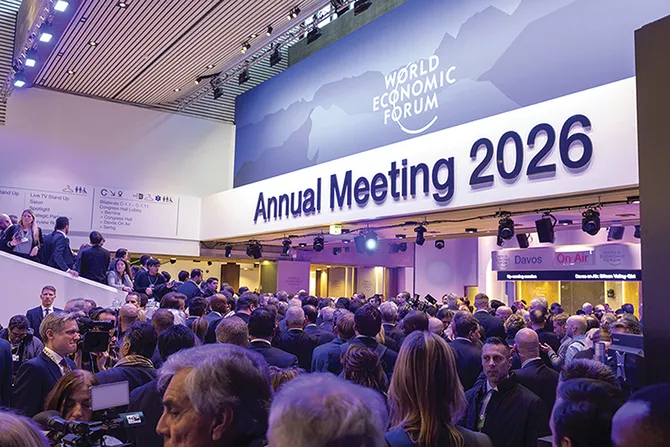
Davos 2026 participants. Source: WEF
Implications for Georgia
The forum showed that cooperation, planning, and dialogue are essential for tackling global problems. Georgia’s absence contrasted with the active engagement of its neighbors and highlighted the potential cost of being left out of international discussions. With Armenia and Azerbaijan exploring direct routes and partnerships, Georgia faces the challenge of maintaining its position as a key transit country and reliable partner in regional trade.
Davos also covered global issues such as climate change, economic resilience, and the management of emerging technologies. Leaders agreed that countries need to work together to address these challenges. For Georgia, participating in international forums is essential not just for economic growth, but also for staying relevant in regional and global decision-making.
Davos 2026 showed how countries can cooperate on shared challenges and also what can happen when a country is absent. For Georgia, the forum offered a clear message: staying engaged in global conversations matters for shaping both regional opportunities and the country’s future economic role.