Tbilisi Summons EU Ambassador
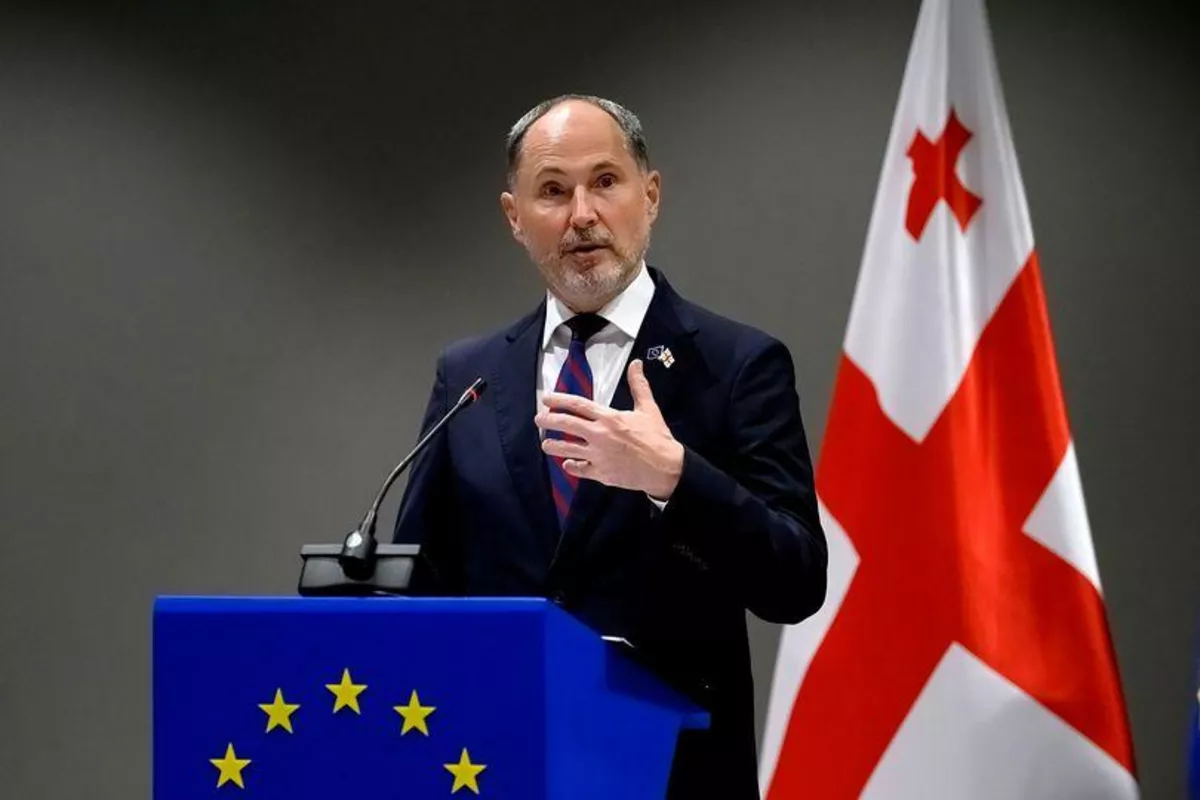
EU Ambassador Pawel Herczynski arrived at the foreign ministry building in Tbilisi on Monday after being summoned to address remarks he made during a recent speech in Brussels.
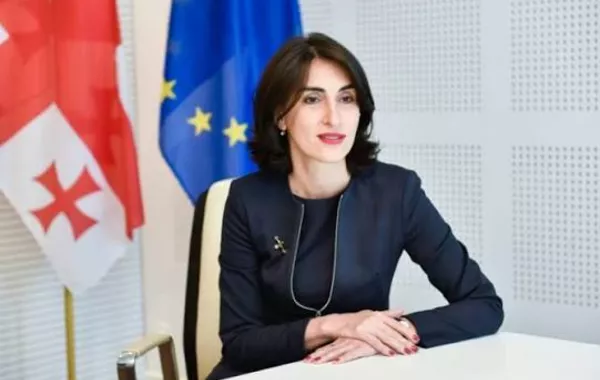
Foreign Minister Maka Botchorishvili received Herczynski at the Palace of Ceremonies in Tbilisi, where part of Georgia’s Foreign Ministry administration has recently moved, The Caspian Post reports, citing foreign media.
The meeting followed comments made by Herczynski in Brussels, at the European External Action Service, during the opening of a documentary photo exhibition called “Georgia in focus”.
According to Interpressnews, citing Netgazeti, the EU ambassador said Georgia was “no longer on the right trajectory” and accused the government of choosing “an alternative model of authoritarianism” that was moving the country away from the European Union.
“Georgia is at a crossroads. Georgia’s future has not yet been written, but what is decided in the coming weeks and months will determine whether Georgia belongs to the family of European countries based on democracy, the rule of law and human rights, or whether, unfortunately, it returns to its dark past,” Herczynski said, according to the transcript.
He added that his main message to the Georgian people was: “Do not lose hope.”
The remarks drew anger from Georgia’s ruling party, who said the ambassador’s words amounted to a threat, but received support from opposition groups which considered them friendly advice.
Hercynski was summoned after many called for such a step, which was backed by Prime Minister Irakli Kobakhidze, who said summoning the ambassador was “appropriate.”
He added it was “simply unimaginable” for an EU ambassador to threaten the Georgian people with civil war and impoverishment.
Giorgi Sharashidze, an MP from the party Gakharia for Georgia, said he saw no threat in Herczynski’s comments, only concern from a friendly country and strategic partner.
After the meeting, Botchorishvili told reporters that Georgia did not need warnings about its “dark past” or “similar threats,” and said no one understood Georgia’s political crossroads better than the Georgian people and the government they elected.
She said the government was most aware of the need to protect Georgia’s security and stability. “We do not need encouragement about polarization in society and a radical agenda,” Botchorishvili said.
Asked what she considered threatening in Herczynski’s statement, Botchorishvili said the problem was broader than one sentence. She said statements, actions and steps from Brussels toward the Georgian government were “unacceptable” and aimed at increasing the polarization in Georgian society.
The foreign minister also pushed back on comments made by the EU ambassador that Georgia should stop the repression and return to a democratic path. “There is no repression,” she said. “There is no hostile rhetoric.” Botchorishvili added that Georgian politicians are merely responding to an unfair attitude from Brussels, and that laws adopted by parliament are aimed at ensuring the stability and security of the country.