photo: getty images
Iran’s overland trade routes are facing growing disruption as border crossings close and transit restrictions imposed by key neighboring countries - Pakistan, Iraq and Türkiye - threaten to further constrain the country’s commerce.
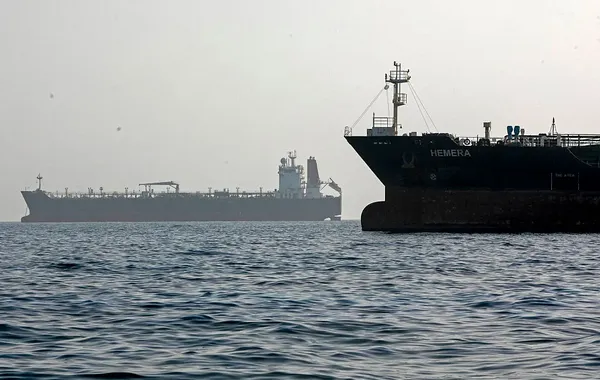
The restrictions add to economic pressure on Tehran amid a reported US naval and air blockade of Iran, according to Iran International.
According to the report, the disruption of southern maritime routes has already halted trade that previously accounted for 75% to 80% of Iran’s total foreign trade turnover.
Pakistan temporarily suspended operations at the key Gabd-Rimdan and Taftan border crossings. According to the report, Pakistani authorities are currently allowing only Iranian gas tankers and shipments of perishable fruit and vegetables to pass.
Islamabad has justified the measures on security grounds, citing efforts to combat cross-border smuggling.
In Iraq, a major crossing connecting Chazabeh and Al-Shaib was closed following a direct order from Prime Minister Ali al-Zaidi. Iraqi authorities said the move was intended to disrupt drug and counterfeit currency smuggling networks.
The report also cites claims that the US Treasury Department has pressured the Iraqi government to further reduce the number of operational border crossings with Iran.
At the Bazargan crossing on the Iranian-Turkish border, a major overland corridor connecting Iran with Europe, freight traffic is reportedly facing delays of up to 20 days.
Türkiye has significantly restricted the entry of Iranian trucks, allowing only 200 to 300 vehicles per day despite the infrastructure’s potential capacity of around 1,000 vehicles.
The restrictions are adding to logistical challenges for Iranian businesses seeking alternative routes for moving goods.
Ali Rezaei, identified in the report as secretary of Iran’s Supreme National Security Council, acknowledged that a prolonged blockade would impose significant economic costs on the country, particularly affecting investment.
However, he said the economic pressure would not force Tehran to accept Washington’s demands.
Iran’s remaining open land borders with Turkmenistan, Azerbaijan, Armenia and Afghanistan are unlikely to fully compensate for the loss of maritime trade, the report said, citing infrastructure constraints and logistical bottlenecks.
With several key transit routes facing disruption, Iran’s ability to redirect trade overland remains limited, increasing the potential economic impact of prolonged restrictions.
Share on social media