Iran Strikes Disrupt Shipping Routes, Causing Widespread Chaos
After the most perilous weekend for commercial shipping in the Middle East this century, the industry is steering clear of the region this week as missiles are launched and ships and ports are targeted.
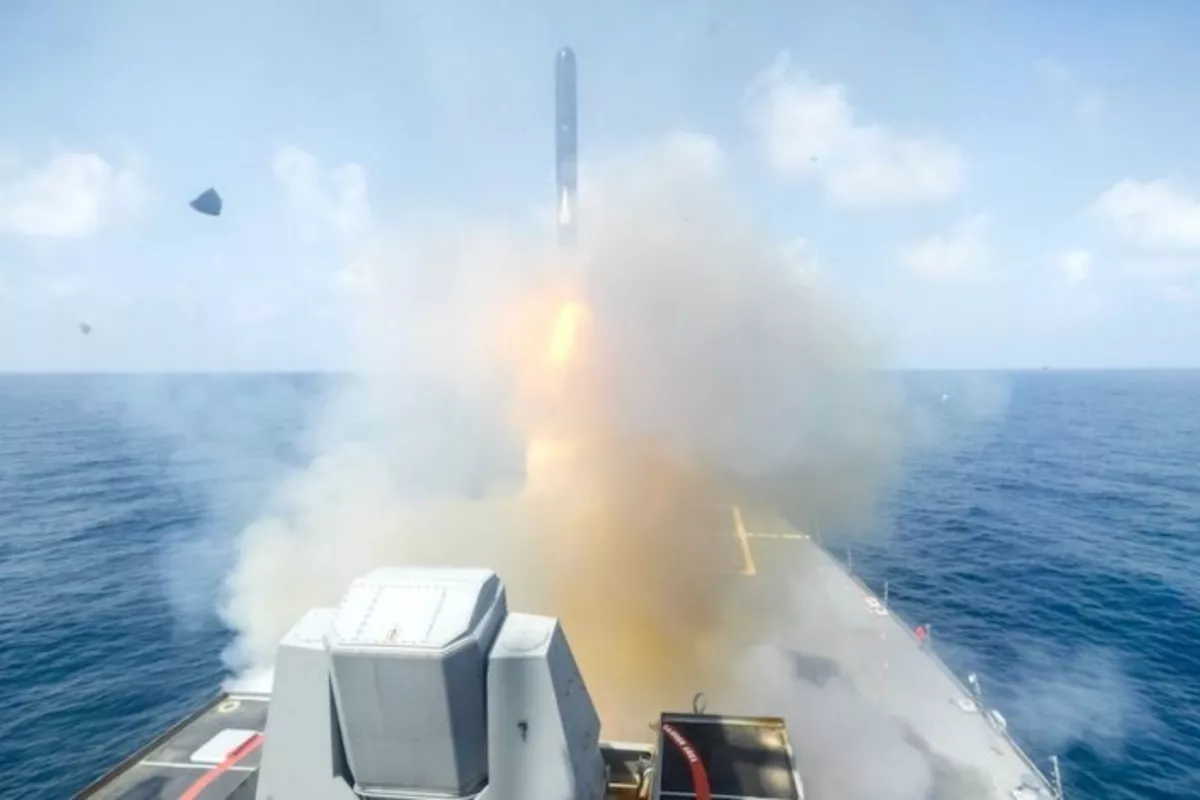
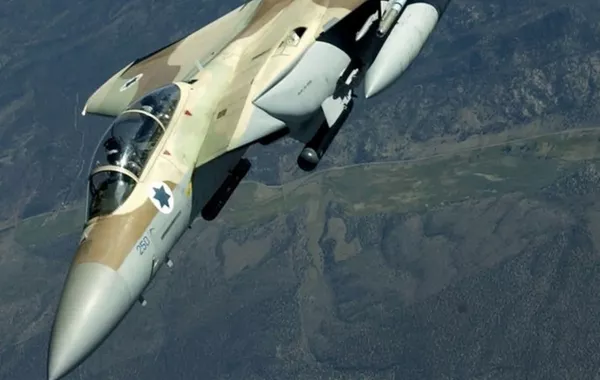
The US and Israel went to war with Iran on Saturday, killing the nation’s supreme leader, Ayatollah Ali Khamenei, in a bombing campaign that has sparked a massive response from the Islamic Republic, targeting infrastructure across the Middle East and even as far afield as Cyprus, The Caspian Post reports, citing foreign media.
Moreover, Iran’s allies, the Houthis, vowed over the weekend to resume targeting commercial shipping in the Red Sea, having held off for more than four months.
The US Combined Maritime Forces’ Joint Maritime Information Center announced on Sunday that it raised its overall risk assessment to its highest level, with three confirmed strikes on merchant ships to date resulting in one seafarer death and others injured, and many ports in the region forced to suspend operations for periods of time over the weekend.
Major shipping companies and all global liners have ceased transiting through the Strait of Hormuz, with many reroutings now heading south to the Cape of Good Hope while hundreds of tankers have dropped anchor outside the strait. Liner reroutings are expected to add to congestion at ports in Europe and Asia.
Oil prices have leapt with analysts from JPMorgan and Barclays warning that prices could spike to $100 to $130 per barrel if the conflict results in a prolonged disruption of supply.
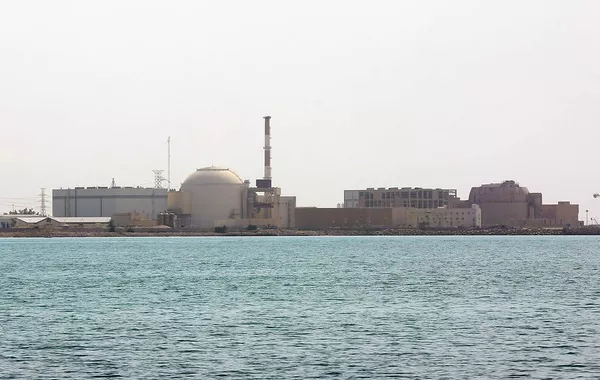
“Our baseline view is that the Iranian leadership changes, or that the regime changes sufficiently as to stop the war within 1-2 weeks, or the US decides to de-escalate having seen a change in leadership and set back Iran’s missiles and nuclear program over the same time frame,” Citi analysts said in a report over the weekend.
“Elevated global benchmark prices and steep backwardation are expected to be sustained until the strait is again passable,” said Jorge Leon, senior vice president and head of geopolitical analysis at Rystad Energy.
Approximately 15m barrels per day of crude oil transit the Strait of Hormuz, representing close to 30% of global seaborne crude trade.
Insurance rates for ships in the region have hit highs akin to the worst times experienced in the Black Sea and the ongoing Russia/Ukraine war, while the suspension of many airlines is causing trouble onboard ships with the Middle East - and its airlines - vital for crew change. Shipping is also faced with massively increased incidents of GPS jamming in the region with maritime analytics firm Windward recording AIS displacement on more than 1,100 vessels in one 24-hour period over the weekend.
The secretary-general of the International Maritime Organization (IMO) Arsenio Dominguez said he was deeply concerned by reports that several seafarers have been injured.
“No attack on innocent seafarers or civilian shipping is ever justified,” he said, adding that freedom of navigation is a fundamental principle of international maritime law. Where possible, Dominguez said vessels should avoid transiting the affected region until conditions improve.
Peter Sand, chief analyst at Xeneta, a container rate platform, commented: “The repercussions of the joint military operation by the US and Israel against Iran and subsequent retaliatory action will see the further weaponisation of trade and shatter hopes of a large scale return of container shipping to the Red Sea in 2026.”