Iran Warns Gulf States Against Backing Renewed U.S. Strikes
Iran has warned Gulf states that any new U.S. military strike on its territory would prompt retaliation against critical energy infrastructure across the region, according to five sources, in a move aimed at increasing the cost of further military action by threatening Washington’s closest regional allies.
The warning was delivered through a series of high-level diplomatic contacts after U.S. President Donald Trump threatened on July 28 to target Iran's energy network and infrastructure, the sources said.
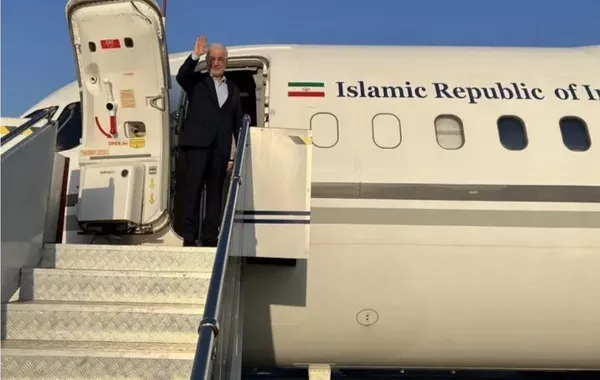
Two senior Iranian officials, two Gulf sources and a senior regional diplomat familiar with the discussions said Iranian Foreign Minister Abbas Araqchi held talks with his counterparts in Saudi Arabia, Türkiye and Qatar, as well as with Pakistan's army chief. All spoke on condition of anonymity due to the sensitivity of the matter, Reuters reported.
According to the senior diplomat, Araqchi urged Washington's Gulf allies to use their influence with Trump to discourage him from launching new strikes, warning that any attack on Iran would prompt retaliation against U.S. assets and energy facilities across the Gulf.
The diplomat said Araqchi delivered the same message in every conversation: "We're ready to retaliate, but finding a diplomatic solution is the best way to avoid wider escalation and destruction across the region."
"The Iranian warning was unequivocal: if America targeted Iran's infrastructure, they would retaliate by striking Gulf energy facilities and other regional targets," one Gulf source said.
The diplomatic effort highlights Iran's attempt to use the threat of broader regional destruction as leverage to deter further U.S. military action, placing Gulf states that host U.S. military bases and rely heavily on energy exports in a difficult position between Washington and Tehran.
Following the discussions, Saudi Crown Prince Mohammed bin Salman spoke with Trump, urging him to postpone military action, return to negotiations, secure a ceasefire and pursue a diplomatic resolution, according to the senior diplomat and Gulf sources.
Another Gulf source said the warning was intended for all Gulf states but was conveyed primarily through Saudi Arabia and Qatar. In recent years, Iran has restored relations with several Gulf neighbours, including its former regional rival Saudi Arabia.
Qatar, Oman and Saudi Arabia have all urged Washington to resume negotiations with Tehran and prevent renewed conflict, amid Iranian warnings that another round of U.S. strikes could "turn the region into a fireball," the second Iranian official said.
On Aug. 2, Trump said he had agreed to cancel the planned attack on Iran, "subject to being able to rapidly make a deal."
"Saudi Arabia believes further escalation will only bring more destruction," the first Gulf source said. "That is why it urged Trump to give diplomacy a chance."
While encouraging Washington to pursue diplomacy, Riyadh also made clear it would defend itself if threatened. The second Gulf source said Saudi Arabia warned that any attack on its territory would be met with a military response.
Iran's clerical leadership has repeatedly called for the closure of U.S. military bases in the Gulf and urged Gulf Arab states to stop sharing intelligence with Washington, which Tehran believes has been used to facilitate attacks against it.
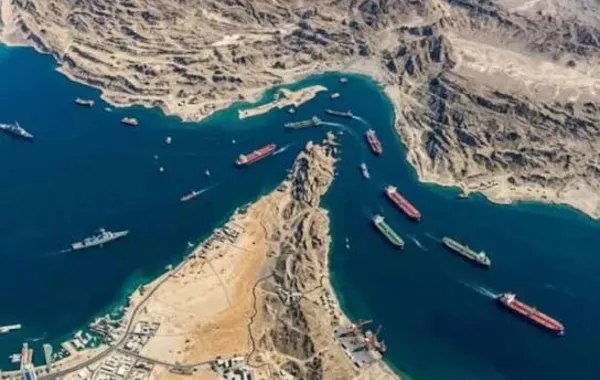
According to one Iranian official, Tehran's warning made clear that any new U.S. strike would be met with attacks on energy facilities, refineries, electricity grids, water infrastructure, transport networks and oil fields across the Gulf.
"The enemy continues to threaten Iranian infrastructure. If Iran suffers damage, it will inflict far greater damage in return," the official said.
"They still remember Saudi Arabia's Aramco," he added, referring to the September 2019 drone and missile attacks on the Abqaiq and Khurais facilities, which temporarily knocked out more than half of the kingdom's crude oil production and exposed the vulnerability of Gulf energy infrastructure.
By threatening infrastructure that is critical to Gulf economies, Tehran is seeking to convince both Washington and its Arab partners that another attack on Iran would carry unacceptable economic and strategic consequences, encouraging regional states to press Trump to avoid renewed military action.
From Tehran's perspective, Trump now faces two difficult options, the senior Iranian official said: escalate a conflict that could spread across the Gulf and disrupt global energy supplies, or accept a negotiated settlement that falls short of the decisive victory Washington is seeking.
One of the main obstacles to reaching an agreement, the senior regional diplomat said, is Washington's reluctance to allow Tehran to emerge from the crisis claiming victory.
"The United States wants something it can present as proof that it won the war," the diplomat said.