Photo: RNA
The International Institute for Iranian Studies, a Saudi-based analytical center known as Rasanah, has published its 10th Annual Strategic Report (ASR) for 2025-2026, titled “Alliances of Necessity and Peace Through Strength.”
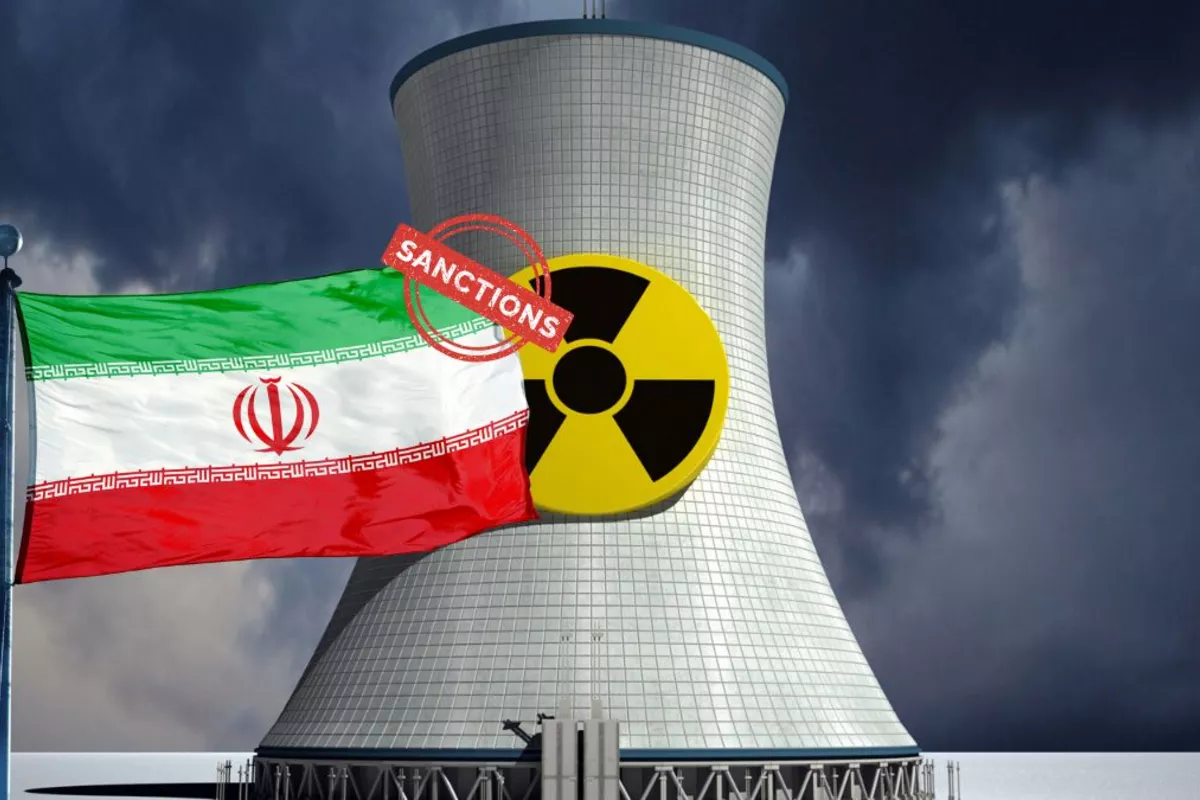
The report devotes particular attention to Europe’s role in the reinstatement of UN sanctions on Iran, The Caspian Post reports.
According to the report, Europe’s involvement in restoring UN sanctions after the activation of the snapback mechanism in September 2025 marked a decisive shift in its long-standing approach to Iranian nuclear diplomacy.
Established under UN Security Council Resolution 2231 as part of the 2015 nuclear agreement, the snapback mechanism was originally designed as a last-resort tool to compel Iranian compliance. Its activation by the E3 countries-France, Germany, and the United Kingdom-despite Washington’s withdrawal from the nuclear deal in 2018, generated serious legal controversy and drew strong objections from China and Russia. Nevertheless, the move resulted in renewed political alignment between France, Germany, the UK, and the United States.
The 2025-2026 Annual Strategic Report notes that Europe’s endorsement of the snapback mechanism reflects how changing geopolitical pressures, Iran’s advancing nuclear program, and worsening bilateral relations have pushed European governments away from their traditional mediatory role toward a more assertive posture closely aligned with U.S. containment strategies.
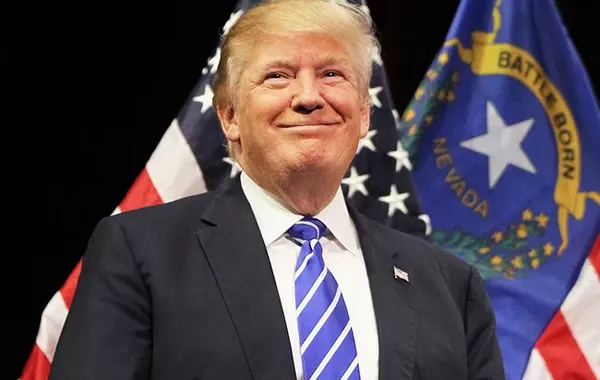
While European governments officially opposed U.S.-Israeli military strikes on Iranian nuclear and military facilities in June 2025, they nonetheless welcomed the outcome of those operations. This position was underscored by U.S. President Donald Trump in the November 2025 U.S. National Security Strategy, where he stated: “In Operation Midnight Hammer, we obliterated Iran’s nuclear enrichment capacity.”
Although there is broad agreement among Western governments that Iran has been unable to enrich uranium since June 2025, the report highlights an emerging divergence between European states and the Trump administration over Washington’s claim that the Iranian nuclear issue has been fully resolved.
From the European perspective, the report argues, renewed direct nuclear diplomacy between Iran and the United States must return to the agenda in order to prevent a new Israeli military intervention in 2026.
Share on social media