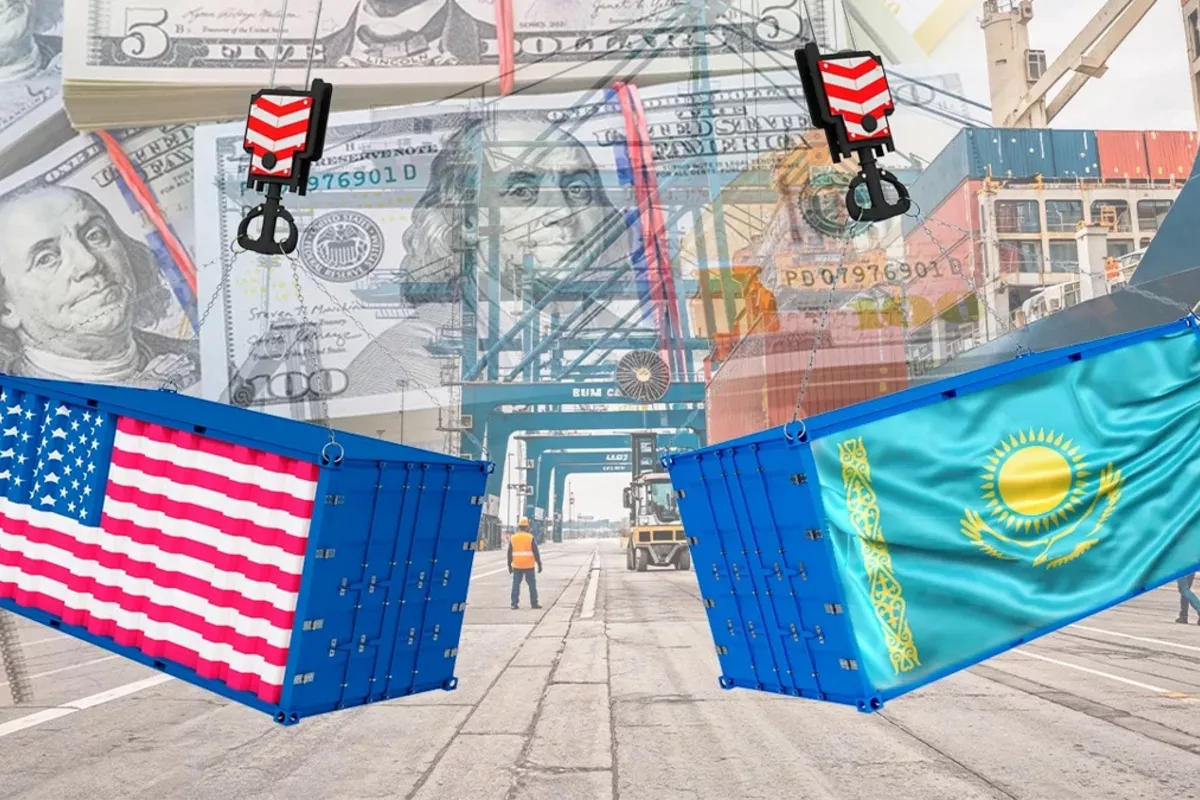
The United States has introduced new tariffs on certain goods imported from Kazakhstan, creating a new challenge for some Kazakh exporters. Kazakhstan’s Ministry of Trade and Integration has responded by saying it is in discussions with U.S. authorities to defend the interests of domestic businesses and seek solutions that support continued trade between the two countries.
Although the move affects only a limited share of Kazakhstan’s exports, the decision has raised questions about which products will be impacted, why the tariffs were introduced, and what the consequences could be for businesses involved in U.S.-Kazakhstan trade.
What decision did the US make?
On July 23, U.S. authorities announced additional tariffs on selected goods originating from Kazakhstan. The measure follows an investigation carried out under Section 301 of the Trade Act of 1974, a U.S. trade law that allows Washington to respond to what it considers unfair or harmful trade practices.
Starting July 24, certain Kazakh products entering the U.S. market will face an additional 12.5% tariff.
This means that companies exporting affected goods to the United States may have to pay higher duties when their products enter the American market. These additional costs can influence pricing, profit margins, and competitiveness for exporters.
What is Section 301 of the U.S. Trade Act?
Section 301 is a trade enforcement mechanism used by the U.S. to investigate and address trade-related concerns.
The process allows U.S. authorities to examine whether foreign trade policies or practices create disadvantages for American businesses. If concerns are identified, the U.S. government can introduce measures such as tariffs, restrictions, or negotiated agreements.
In this case, the U.S. conducted a review that resulted in the decision to apply additional duties to specific Kazakh imports.
Which Kazakh goods will be affected?
The new tariff does not apply to all products exported from Kazakhstan.
According to Kazakhstan’s Ministry of Trade and Integration, goods included on exemption lists approved by the Office of the U.S. Trade Representative (USTR) will not be subject to the additional tariff.
The ministry estimates that approximately 95% of Kazakhstan’s exports to the U.S. will remain exempt from the new measures.
This means that most Kazakh companies trading with the U.S. market will not experience an immediate impact from the tariff change.
However, businesses whose products fall under the affected categories may face higher import costs and may need to adjust their strategies, including pricing, supply chains, or export plans.
How does the new tariff compare with the previous measure?
The 12.5% tariff replaces a temporary 10% import surcharge that had been in effect for 150 days.
The previous surcharge will not be added on top of the new tariff. In other words, affected products will not face a combined 22.5% increase from both measures.
Instead, the earlier temporary surcharge will be replaced by the new tariff arrangement.
This provides some clarity for exporters because businesses will operate under a single additional tariff rate rather than multiple overlapping charges.
Kazakhstan’s response: protecting exporters’ interests
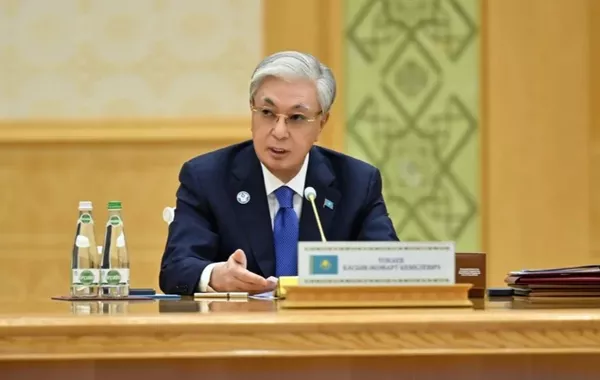
Kazakhstan’s Ministry of Trade and Integration said it is continuing negotiations with U.S. authorities to protect the interests of Kazakh exporters.
The ministry emphasized that it is seeking mutually acceptable solutions through dialogue with the American side.
Kazakhstan has traditionally worked to expand access for its products in international markets, and maintaining stable trade relations with major partners such as the United States remains an important economic priority.
Government officials are expected to focus on ensuring that Kazakh companies continue to have competitive access to the U.S. market and that any trade measures do not unnecessarily restrict economic cooperation.
What could be the impact on Kazakh exporters?
For companies affected by the tariffs, the main challenge will be increased costs.
When a tariff is introduced, importers in the destination country typically pay the additional duty. These costs can then influence businesses throughout the supply chain:
- Exporters may need to lower prices to remain competitive.
- Importers may pass higher costs to consumers.
- Companies may look for alternative markets if selling to the U.S. becomes less profitable.
- Businesses may review supply chains to reduce the impact of additional duties.
However, because most Kazakh exports remain exempt, the overall effect on Kazakhstan’s trade with the U.S. is expected to be limited.
Why is U.S. market access important for Kazakhstan?
The U.S. is one of Kazakhstan’s important international trade partners. Kazakh companies export a range of products to global markets, including raw materials, industrial goods, agricultural products, and processed goods.
Maintaining access to large markets helps Kazakhstan diversify its trade relationships and reduce dependence on a limited number of buyers.
For exporters, stable trade conditions are particularly important because international businesses often make long-term decisions based on predictable rules, tariffs, and regulations.
What happens next?
Kazakhstan’s Ministry of Trade and Integration will continue discussions with U.S. representatives to address concerns related to the new tariffs.
The outcome of these talks could determine whether exemptions are expanded, whether certain products receive special treatment, or whether additional agreements are reached between the two countries.
For now, businesses exporting to the United States will need to review whether their products are covered by the new tariff rules and prepare for any changes in costs or procedures.
Key takeaway
The U.S. has introduced a 12.5% additional tariff on certain Kazakh goods, replacing a previous temporary 10% surcharge. However, Kazakhstan says that around 95% of its exports to the U.S. will remain unaffected because they are exempt from the new measures.
Kazakhstan’s government is continuing negotiations with U.S. authorities to protect exporters and maintain strong trade ties, while affected businesses monitor how the new tariffs may influence their operations.