Why Kazakhstan Is Pushing the EAEU From Plans to Practice

Photo: uz.kursiv.media

Why Kazakhstan Is Pushing the EAEU From Plans to Practice

Kazakhstan has outlined a delivery-oriented agenda for its chairmanship of the Eurasian Economic Union (EAEU), signalling a shift from long-standing integration pledges toward resolving operational bottlenecks that continue to limit the bloc’s effectiveness.

Opening the first 2026 session of the Council of the Eurasian Economic Commission, Deputy Prime Minister and Economy Minister Serik Zhumangarin said Kazakhstan would prioritise digitalisation, logistics connectivity, artificial intelligence deployment, and the removal of barriers to intra-union trade, The Caspian Post reports, citing Kazakh media.

While the priorities echo earlier EAEU strategies, the emphasis on implementation highlights persistent gaps between policy design and execution. Of the 77 common processes approved to harmonise economic governance across the Union, only 42 are currently operational, according to EAEU data. Officials acknowledge that without full integration of national information systems, the free movement of goods remains constrained by administrative friction.

Kazakhstan has placed particular focus on “seamless” transit - a sensitive issue for businesses using the bloc as a transport corridor between Europe and Asia. Proposals include the full rollout of navigation seals, a single transit declaration and unified customs duty guarantee mechanisms, measures intended to reduce transit times and logistics costs that still vary widely across member states.

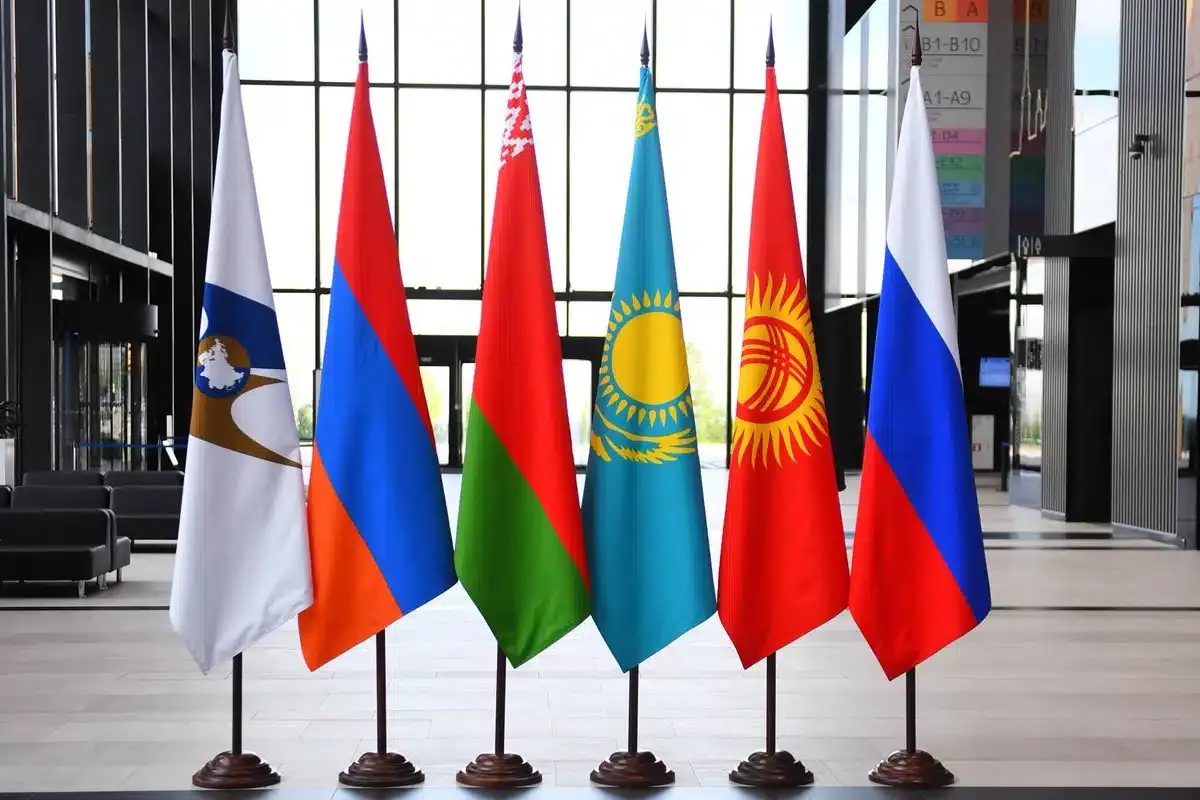
Industrial cooperation is another pillar of the chairmanship. Five joint projects involving firms from Kazakhstan, Kyrgyzstan, Belarus and Russia have been approved so far, with Astana pushing to expand the pipeline. Officials say deeper cooperation is needed to move integration beyond trade flows toward shared production chains, higher localisation and job creation.

Externally, Kazakhstan has argued for accelerating trade and economic agreements with third countries, framing them as a key source of growth for EAEU businesses at a time when internal demand alone may not sustain expansion.

The agenda reflects a broader challenge facing the bloc more than a decade after its creation: translating regulatory alignment into predictable outcomes for companies operating across borders. Kazakhstan’s chairmanship, officials say, will be judged less by new initiatives than by whether member states are willing to complete and enforce commitments already on the books.

Related news

Why Kazakhstan Is Pushing the EAEU From Plans to Practice

Kazakhstan has outlined a delivery-oriented agenda for its chairmanship of the Eurasian Economic Union (EAEU), signalling a shift from long-standing integration pledges toward resolving operational bottlenecks that continue to limit the bloc’s effectiveness.