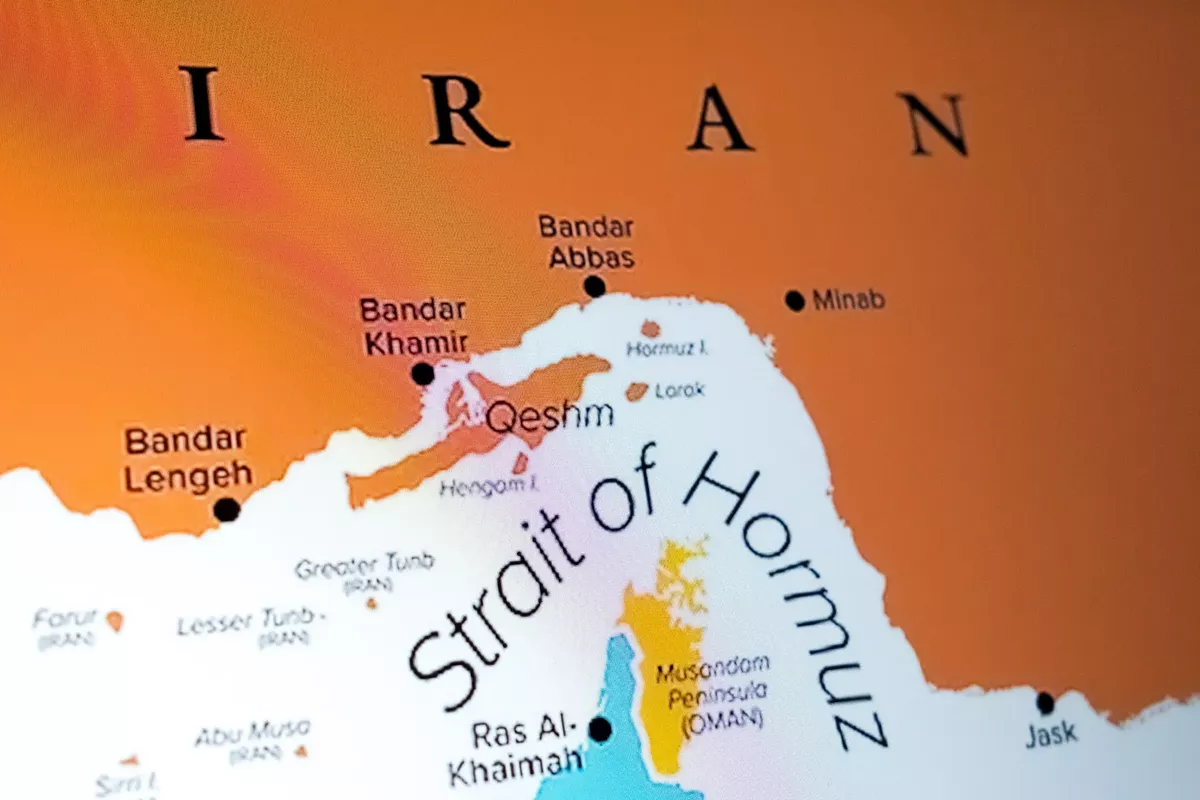
Another war engulfing the oil-producing countries of the Middle East, coupled with disruptions in transporting hydrocarbons through the Strait of Hormuz, has made the search for alternative transport networks particularly urgent. Due to supply interruptions on March 7 and 8, the price of Brent crude jumped above $100 per barrel and is forecast to reach a historic high of $215 per barrel.
Oil and gas producers such as the UAE, Kuwait, and Iraq have reduced production, as the Strait of Hormuz is effectively closed and storage facilities are full. Experts note that further developments around the strait in the coming days will be a key factor for the global oil market.
On the night of March 9-10, President Donald Trump said in an interview with CBS News that the United States is considering taking the Strait of Hormuz “under its control.” This statement underscored what many analysts see as the core motives behind the conflict in the Middle East.
It is noteworthy that, under international law, the strait has been an international navigation route since 1974. The 1982 United Nations Convention on the Law of the Sea guarantees free passage through the strait for vessels of all states.
In practice, however, the situation is more complex. Despite international law, Iran can pose a threat to passage through the Strait of Hormuz, which lies close to its coastline. Tehran frequently threatens to exercise this leverage and uses it strategically on the international stage.
Meanwhile, the U.S. Fifth Fleet maintains a permanent presence in the region at its base in Bahrain, and warships from the United States and its allies regularly transit the strait.
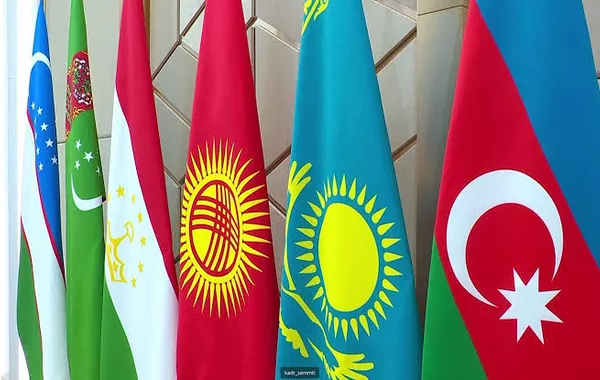
In this context, the importance of alternative routes for uninterrupted hydrocarbon transportation is growing. In recent years, the energy policies of Central Asian countries have undergone significant changes, with renewed focus on pipeline projects. Against the backdrop of Western confrontation with Russia and, more recently, Iran, Central Asian states have identified new strategic opportunities.
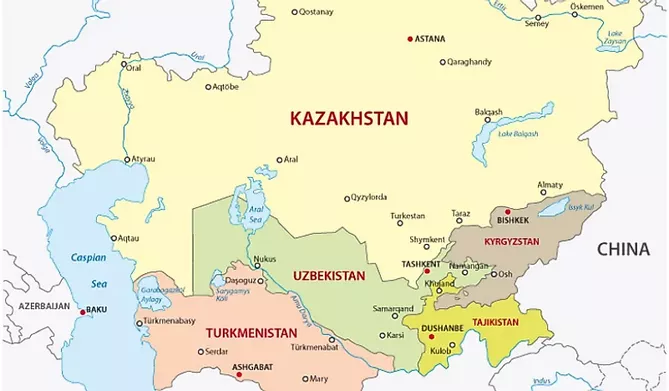
photo: caucasuswatch
After the collapse of the USSR, Central Asian countries were seen by the West and China as promising exporters of oil and gas. Reports on significant hydrocarbon reserves reinforced the view that they could become reliable suppliers.
Turkmenistan has emerged as a key player in the regional hydrocarbon market. The Trans-Caspian Gas Pipeline project has been central to Ashgabat’s strategy. Interest in the project was further stimulated by the European Union’s Nabucco project, which was intended to transport Turkmen gas to Europe. In recent years, the United States has also acted as an initiator and supporter of the pipeline.
Turkmenistan is keen to supply gas to the European market. Recent negotiations with the EU and its member states have focused on exploring various avenues for expanding energy cooperation. In particular, Ashgabat and Brussels agreed to begin preparations for a framework agreement on energy collaboration.
Turkmenistan has also engaged with the European Bank for Reconstruction and Development (EBRD), which is developing a new strategy for Ashgabat, including initiatives in the energy sector.
Since constructing the Trans-Caspian gas pipeline requires substantial investment and time, Turkmenistan has prioritized transit through Türkiye. This route has become a central element of Turkmenistan’s energy policy, supported by Western countries seeking to establish a large-scale gas supply corridor to Europe.
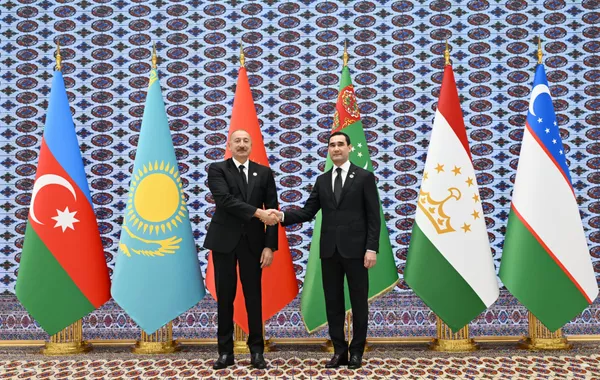
To facilitate this, in November 2021, Turkmenistan and Azerbaijan signed an agreement to organize swap gas supplies, which entered into force in 2022, covering 1.5 to 2 billion cubic meters per year. In July 2022, Iran and Azerbaijan agreed to double these volumes. At the beginning of 2024, the swap arrangements were temporarily suspended pending new agreements between Ashgabat and Baku.
Turkmenistan’s intensified energy diplomacy occurs amid geopolitical shifts and transformations in the European gas market. However, challenges remain. Turkmenistan is heavily dependent on China, which purchases around 35 billion cubic meters of its annual output of 80-82 billion cubic meters. To reduce this dependence, Turkmenistan plans to increase gas production by an additional 60 billion cubic meters per year.
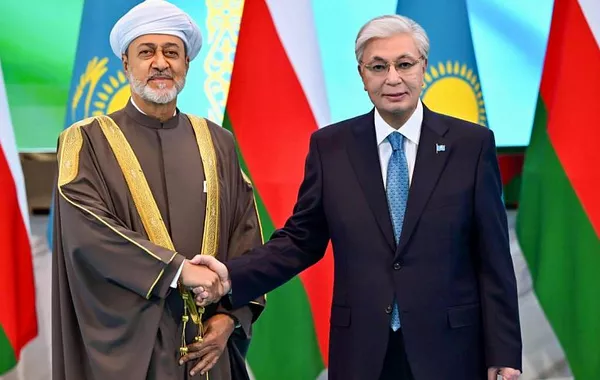
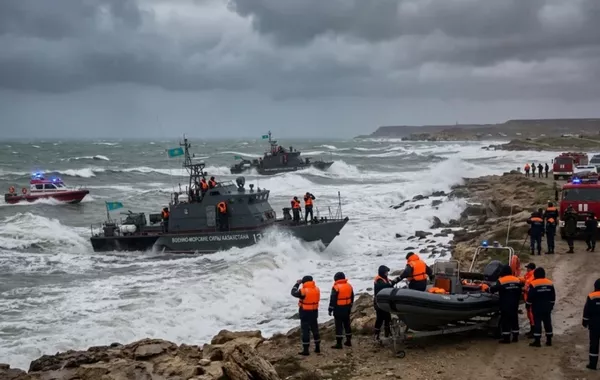
The construction of a Trans-Caspian Oil Pipeline became especially relevant in mid-2022, when Kazakhstan’s President Kassym-Jomart Tokayev called for diversifying the country’s oil export routes. To implement these plans, Kazakhstan intends to modernize the ports of Kuryk and Aktau and build three new tankers. The country aims to increase transportation volumes along the Trans-Caspian International Transport Route fivefold in the future.
Kazakhstan’s ambitious plans are supported by Azerbaijan, Georgia and Türkiye. These countries have adopted roadmaps to expand transport infrastructure. In 2024, dredging work was carried out in the port of Kuryk, and similar work was completed in Aktau in 2025.
As a result, Kazakhstan expects to supply up to 7 million tons of oil per year in the western direction.
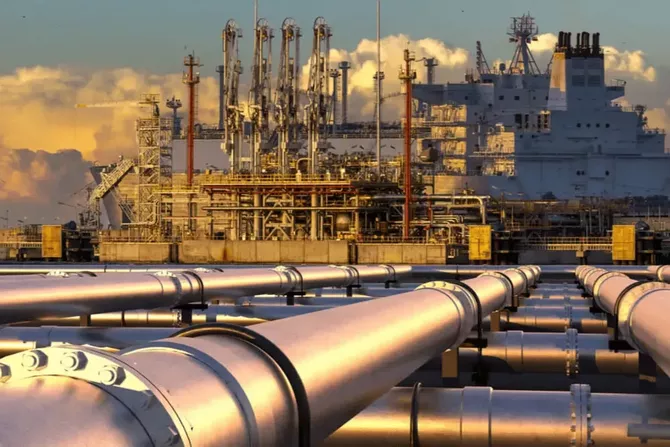
photo: Reuters
Kazakhstan also focuses on the Caspian Pipeline Consortium (CPC), which transported 63.4 million tons of oil produced in the republic in 2023, rising to over 70 million tons in 2024.
Diversifying oil export routes also has a political dimension: Kazakhstan seeks to avoid sanctions from Western states, which are concerned about its continued close trade relations with Russia. At the same time, current export routes remain vital, as the country has no other viable means of transporting large volumes of hydrocarbons.
A key component in implementing the plans of Central Asian republics is the TRIPP project (Trump Route), which includes the construction of railways and highways, oil and gas pipelines, and the development of communication infrastructure.
TRIPP is not merely a road - it is a comprehensive transport, energy, and digital corridor with a significant geopolitical component. It is designed to allow unhindered transit of goods and services without border control. The corridor will connect mainland Azerbaijan with its exclave Nakhchivan via the southern Armenian region of Syunik (Zangezur) and extend northward toward Azerbaijan and Georgia and westward toward Türkiye.
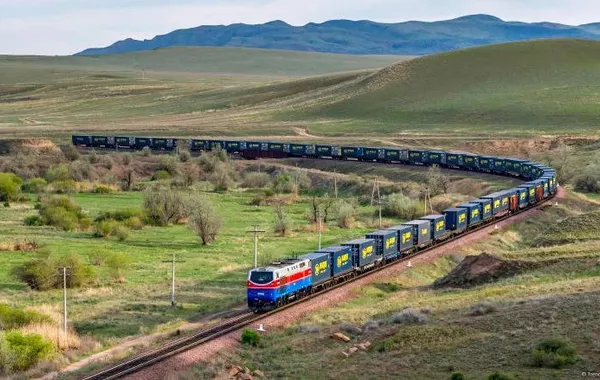
In the future, TRIPP will be integrated with the Trans-Caspian International Transport Route, linking China with Europe. For Central Asia and Europe, this project will provide an alternative, faster, and safer land route, enabling diversification of trade and energy supplies.
The successful implementation of these initiatives promises to transform not only Central Asian economies but also the South Caucasus, Türkiye, and the European Union.