EU Sanctions on Russia: What the 20th Package Covers
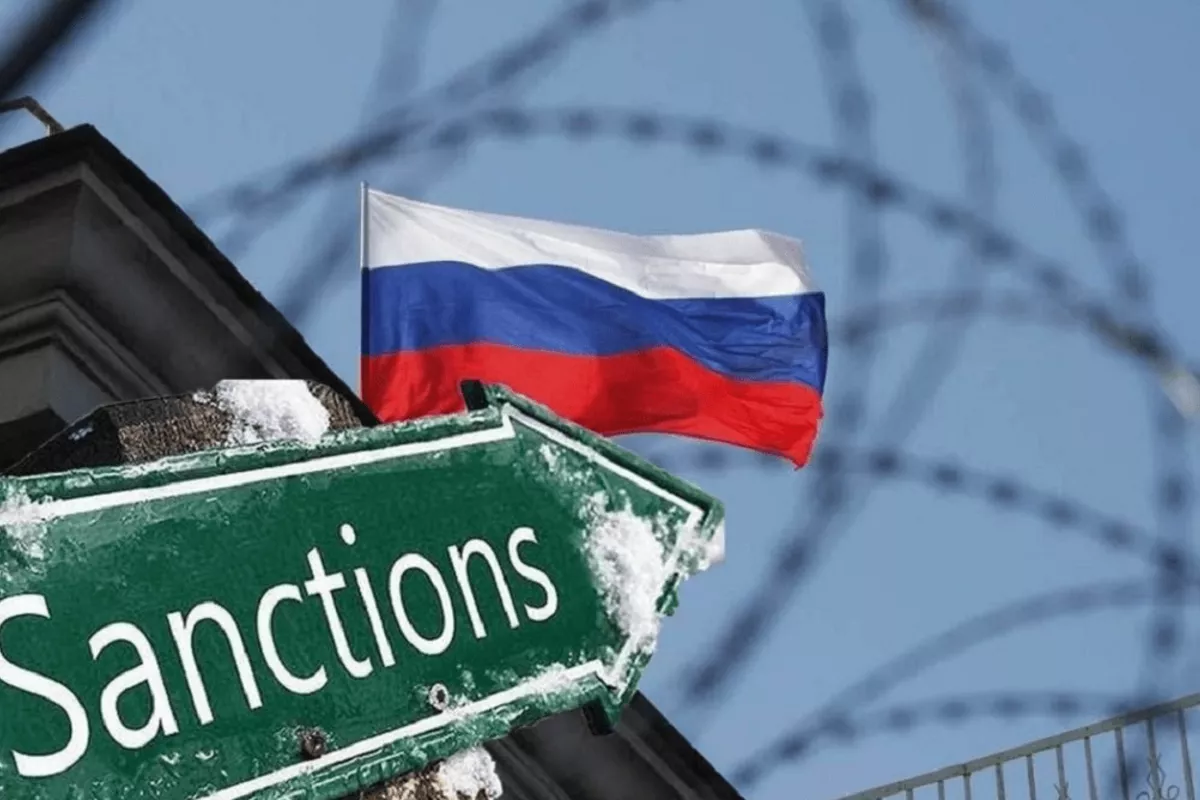
The European Union has unveiled its twentieth package of sanctions against Russia, reinforcing its strategy of sustained economic pressure in response to Moscow’s ongoing war against Ukraine. The measures reflect the EU’s assessment that Russia’s military advances remain limited and costly, while attacks on civilian infrastructure-particularly energy and heating systems-have intensified, deepening humanitarian consequences.
According to the European Commission, sanctions remain a central tool for constraining Russia’s capacity to finance the war and for shaping the conditions under which meaningful negotiations could eventually take place, The Caspian Post reports.
Speaking on the package, Ursula von der Leyen stressed that economic pressure is essential to deter further escalation and to defend Ukraine’s sovereignty.
Energy: Tightening the Squeeze on Oil and Gas Revenues
Energy remains the backbone of Russia’s export earnings, and the new sanctions significantly expand restrictions in this area. The package introduces a full ban on maritime services linked to Russian crude oil, aimed at reducing Moscow’s ability to ship and sell oil on global markets. Because shipping is inherently international, the EU plans to implement this ban in coordination with like-minded partners, following agreement within the G7 framework.
The sanctions also expand the targeting of Russia’s so-called “shadow fleet”-vessels used to bypass existing restrictions. An additional 43 ships have been listed, bringing the total number under sanctions to 640. New measures further limit Russia’s access to tankers and impose sweeping bans on maintenance and related services for LNG tankers and icebreakers, adding pressure on gas export projects. These steps build on earlier EU bans on LNG imports and align with the bloc’s broader RepowerEU strategy to reduce dependence on Russian energy.
Finance: Constraining Banking and Alternative Payment Channels
A second core pillar of the package focuses on Russia’s financial system, which EU officials describe as a critical vulnerability. The measures add 20 more Russian regional banks to the sanctions list, further narrowing access to international financial channels.
To address sanction circumvention, the EU is also targeting cryptocurrency-related activities. New restrictions cover crypto assets, companies trading them, and platforms that enable such transactions, closing off pathways used to bypass financial controls. In addition, several banks in third countries accused of facilitating illicit trade in sanctioned goods have been targeted, signalling a tougher stance on indirect violations.
Trade: Expanding Export and Import Bans
The third block of measures broadens trade restrictions. New export bans apply to a range of goods and services-including rubber products, tractors, and cybersecurity services-valued at more than €360 million. These are designed to degrade Russia’s industrial base and limit access to technologies with potential military or dual-use applications.
On the import side, the EU has introduced bans on metals, chemicals, and critical minerals not previously sanctioned, worth over €570 million. Further restrictions apply to items and technologies used in battlefield production, such as materials for manufacturing explosives. The package also proposes a quota on ammonia imports, capping existing trade volumes.
Anti-Circumvention and Legal Safeguards
For the first time, the EU is activating its Anti-Circumvention Tool, allowing it to prohibit exports of specific high-risk goods-such as computer numerical control machines and radios-to jurisdictions where there is a strong risk of re-export to Russia. This marks a shift toward more proactive enforcement aimed at closing loopholes in the sanctions regime.
The package also includes stronger legal safeguards for EU companies, designed to protect them from violations of intellectual property rights or unfair expropriation resulting from Russian court rulings linked to sanctions.
Assessing Impact and Strategic Intent
EU officials point to mounting economic strain in Russia as evidence that sanctions are having an effect. Oil and gas revenues declined by roughly a quarter in 2025 compared with the previous year, contributing to a widening fiscal deficit. Inflation remains elevated, and interest rates are high, underscoring broader macroeconomic pressure.
The sanctions package is part of a wider EU strategy that combines economic measures with political, humanitarian, and security support for Ukraine. Alongside sanctions, the EU continues to provide financial assistance, energy equipment such as generators, and long-term planning for Ukraine’s recovery and growth in coordination with international partners.
At its core, the twentieth sanctions package reinforces the EU’s message that pressure will be maintained until Russia engages in credible negotiations for a just and lasting peace. For Brussels, sanctions are not an end in themselves, but a means to defend European security, uphold international law, and support Ukraine’s future as a free and sovereign state at the heart of Europe.