photo: amic.ru
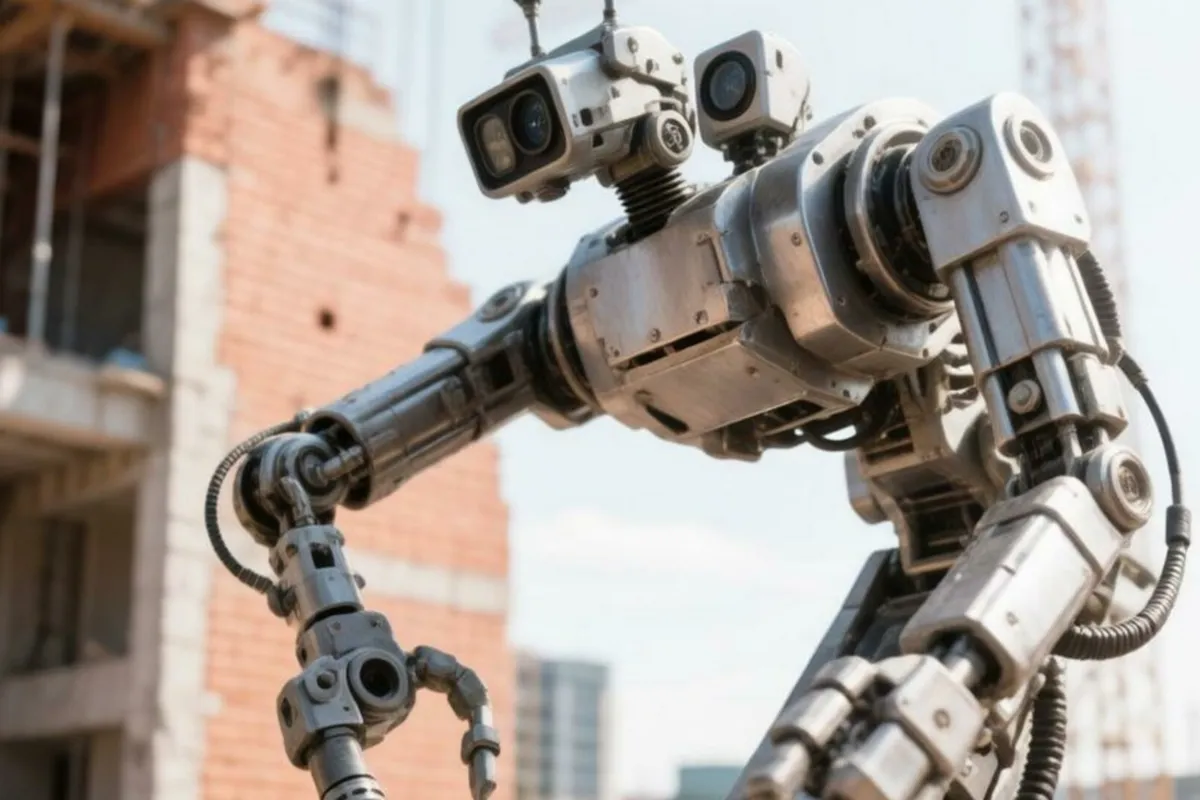
Russia is developing robots designed to take over physically demanding, repetitive, dangerous and time-consuming tasks in construction, industry and housing and public utilities, the head of the Robotics Corporation, Alexander Alekseev, said.
The projects go beyond automating individual manual tasks and aim to create fully integrated robotic systems capable of operating in real urban environments, Alekseev said, according to amic.ru.
One of the most promising areas is autonomous municipal equipment. A new all-season utility robot has been developed to sweep streets, carry out vacuum cleaning and collect rubbish and fallen leaves.
Autonomous machines could also be used for patrolling areas, delivering goods, towing vehicles and even operating as mobile refuelling stations.
Another key application is the inspection and maintenance of engineering infrastructure, including heating networks and pipelines. These facilities require regular diagnostics, while repair work often involves difficult and potentially hazardous conditions.
Robotic systems could inspect the interiors of pipes, identify damage and worn sections, and transmit data to specialists to assess the condition of infrastructure networks.
Mobile robotic welding systems are also being developed, particularly for construction and industrial sites where transporting components to stationary welding equipment is difficult.
Construction is another sector with significant automation potential, Alekseev noted. Robots could perform tasks such as laying bricks and blocks, applying construction mixtures, pouring and levelling concrete, finishing surfaces and painting.
However, human workers would remain in control of operations, handling equipment setup, material preparation and tasks requiring solutions to unexpected problems.
"In the coming years, we will see more and more examples of robotics becoming a tool for addressing specific economic and infrastructure challenges," Alekseev said.
The housing and public utilities sector is already a major employer of migrant workers in Russia, making the introduction of automated municipal equipment particularly relevant.
Share on social media