Warm Winter in Tajikistan Brings Big Risks for Farmers
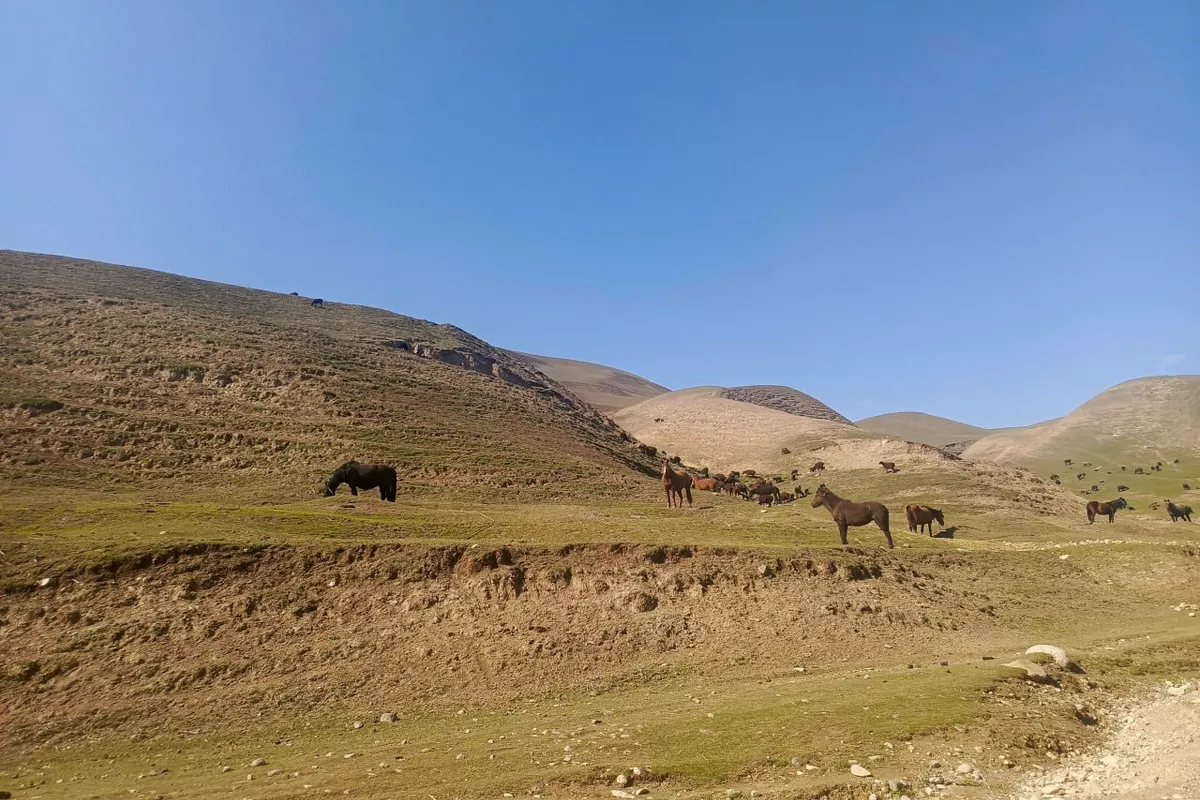
Tajikistan has entered 2026 with an unusually warm winter.
Meteorologists warn that the mild start may be followed by sharp cold snaps later in the season, posing growing risks for agriculture and future harvests.
Warm January, looming frost risks
January 2026 has been markedly warmer than normal across the country. According to the Agency for Hydrometeorology of Tajikistan, average temperatures are expected to exceed long-term norms by 1-2°C, while precipitation remains below average.
Nighttime temperatures in lowland areas are forecast to range from -5°C to +2°C, with daytime readings climbing as high as +12°C. Rain, sleet, snow, and stronger winds are possible in the second half of the month.
However, forecasters caution that February and March could bring abrupt temperature swings. In late January and throughout February, nighttime temperatures could plunge to -17°C to -20°C, a scenario that could be especially damaging for plants that have already begun to awaken from winter dormancy.
Agriculture under pressure
The lack of stable snow cover combined with mild winter weather increases crop vulnerability. One of the biggest threats is early vegetation growth.
In southern regions of Tajikistan, early sprouting and bud swelling have already been observed in some fruit trees. If severe frosts follow, blossoms and buds could be destroyed, leading to significant yield losses.
“If frost hits plants that have already started to develop or bloom, the consequences could be very serious,” warned agronomist Bakhtiyor Hoitboyev.
Warm winters also allow insect pests, harmful bacteria, and fungi to survive and spread more easily-posing additional risks to winter crops that usually rely on snow cover for protection.
Farmers voice concern
Farmers across the country say uncertainty is growing.
“If there is no snow and frost comes when plants start growing, we could lose a large part of the harvest,” said a farmer from Hisor, noting that while irrigation can help, access to water remains limited in many areas.
Orchard owners share similar worries. Some recall heavy vineyard losses during unexpected frosts in previous years, prompting them to use protective coverings-though early cold spells still pose serious threats.
Expert advice and adaptation
Doctor of Agricultural Sciences Qurbonali Partoyev recommends winter irrigation, especially on irrigated lands.
“Winter irrigation helps delay premature plant growth and destroys pest larvae that could damage crops in spring,” he explained, stressing its importance in snowless conditions. Experts also advise mulching to preserve soil moisture and reduce heat stress later in the year.
Scientists say Tajikistan must continue adapting its agriculture to climate change. The country is already working to modernize irrigation systems, improve water management, introduce drought-resistant crops, and expand drip irrigation.
“Training farmers in modern agricultural technologies is one of the key factors for building resilience to climate change,” Hoitboyev emphasized.
As climate volatility becomes the new norm, farmers and experts alike warn that proactive measures will be crucial to protecting Tajikistan’s harvests in the years ahead.