20th Russian Sanctions Package Flounders on Internal Divisions
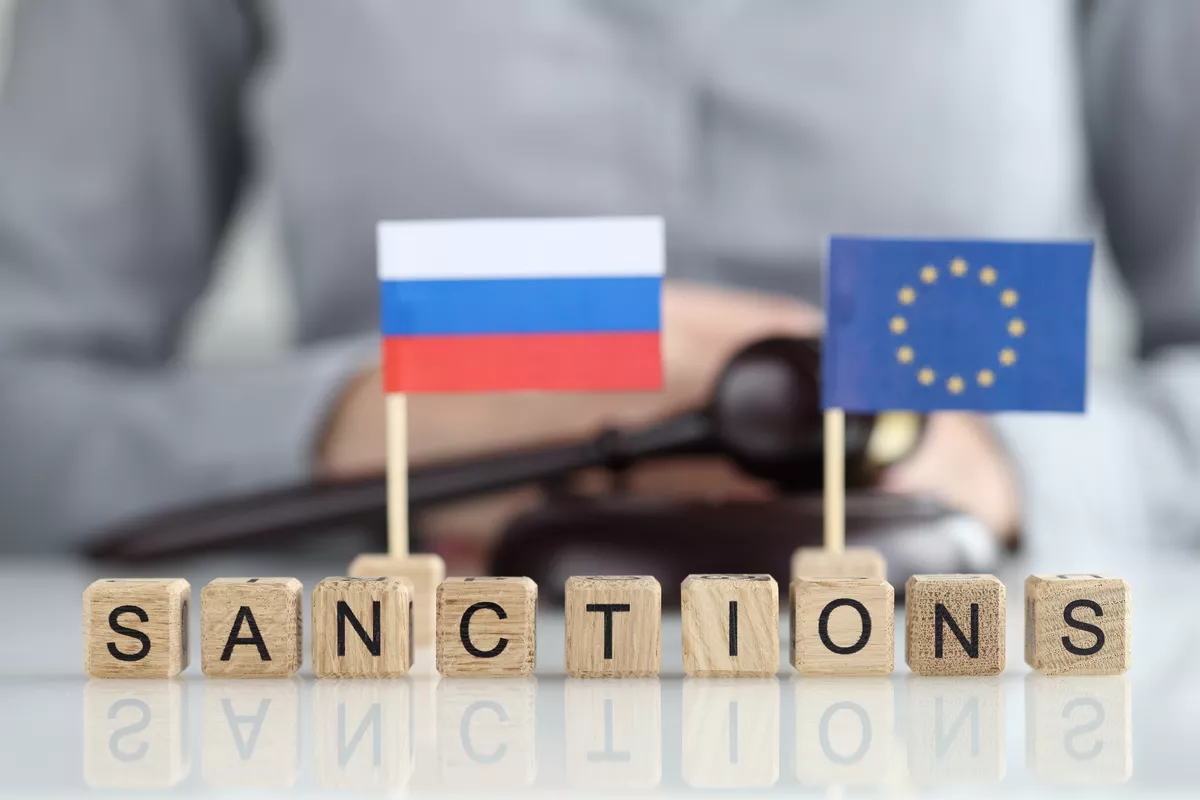
The EU’s twentieth Russian sanctions package has become bogged down in infighting as top diplomats meet in Brussels on February 23 to try and break the deadlock on measures designed to halt Russian exports of oil and gas to the EU completely.
The EU has failed to secure support from the US and other G7 partners for a proposal to jointly block Russian oil deliveries under the new package, a diplomatic source in Brussels told Russia’s state news agency TASS on February 23.
"The EU presented to the US and G7 its plan to fully prohibit European businesses from transporting Russian oil and providing any kind of maintenance, supply, financing and insurance services to tankers that transport Russian oil, no matter what flag they are flying. The European Commission invited partners to impose similar restrictions on their companies. The US refused," the diplomat said. G7 partners said that the package was “possible” but stopped short of signing up to the measures championed by the EC executive.
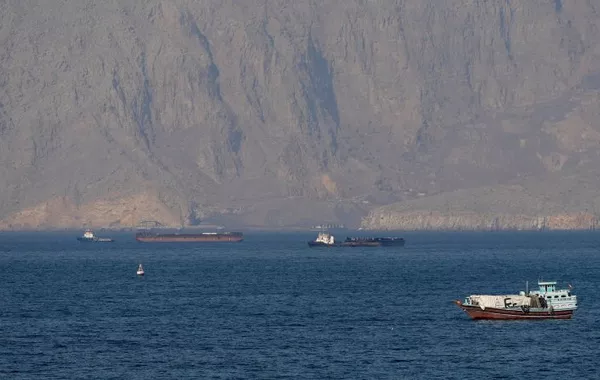
The package is also facing stiff opposition from EU maritime members, including Greece and Malta, whose ships continue to make up at least a fifth of the so-called shadow fleet and have been earning outsize profits from the fat fees Russia has been paying to transport its oil to Asia.
But the biggest problem is opposition by both Budapest and Bratislava, who have threatened to turn off emergency power supplies to Ukraine if Kyiv cuts off the delivery of oil and gas via pipelines that transit Ukraine’s territory.
G7 Partners Not On Bard
No international support The G7 partners are reluctant to cut off all Russian exports of oil and gas, afraid of the impact that will have on energy markets and the European economy.
Oil prices have already ticked up by almost $10 per barrel due to disruptions caused by the Trump administration to international transport of oil and the threat of a major war in the Middle East.
At the same time, thanks to this year’s big freeze following the collapse of the polar vortex that has seen record low temperatures, gas has been drained out of European storage tanks faster than anticipated, leading to fears of a gas deficit ahead of the start of this year’s heating season in the autumn.
The Trump administration does not want to participate in the latest EU sanctions package on Russia as the rift between Washington and Brussels continues to widen, but suggested that it might impose its own sanctions later this year as part of the ongoing Ukraine war peace talks.
Brussels is targeting measures that would significantly tighten existing restrictions on Moscow’s energy exports, which since 2022 have been subject to an EU embargo on seaborne crude and a G7 floating price cap mechanism designed to limit Russian revenues while keeping global supplies stable. Brussels is also proposing to ban imports of Russian gas entirely by January 1, 2027. The latest plan would ban EU companies from carrying Russian oil entirely, irrespective of any price cap mechanism, significantly reducing the number of tankers available for use in the “shadow fleet.” The new package is “95% ready” according to reports out of Brussels, but talks have stalled at the last fence. EU officials are due to meet on February 23 to try and break the deadlock ahead of the fourth anniversary of the start of the war on February 24.
"There has been no progress. The plan is 95% agreed, but the remaining differences could not be overcome. Now, they are to be discussed by the ministers," the source told TASS.
Hungarian Veto
Hungary has threatened to veto the passage of the entire package, demanding that Brussels press Kyiv to resume transit of Russian oil via the Druzhba pipeline. Budapest argues that Ukraine’s decision to halt transit on January 27, citing an alleged Russian drone attack on its own pipeline infrastructure, has affected regional supplies and led to a heated exchange of accusations.
Adding to the complexity, part of the new package includes technical grounds for the detention and inspection of "suspicious tankers". However, under the maritime law of “right of innocent passage” stopping tankers for inspection, even in the territorial waters of a country like Denmark is considered a naval blockade, which is an act of war.
Some member states are nervous of adopting a package that represents "a real threat of a military confrontation with Russia at sea," according to one EU diplomat, TASS reports. The diplomat said he had "no doubts" that the package would be adopted by February 24, but what compromises were needed to get the package through remain unclear.
It remains to be seen if Hungary and Slovakia will follow through on their threats to cut off emergency power supplies to Ukraine if oil and gas deliveries are not resumed on February 23. After a sustained bombing campaign in recent months where Putin has been attempting to freeze Ukraine into submission, only an estimated 20% of Ukraine’s power capacity is still functional, as temperatures in Kyiv’s apartments fall below zero. Ukraine has become increasingly reliant on the import of EU power, made possible after the Ukrainian grid was miraculously hooked up to the European Network of Transmission System Operators for Electricity (ENTSO-E) only one day before the Russian invasion started. The population of Ukraine is already suffering from freezing conditions as entire cities are black out by Russian bombs and missiles, but cutting off the EU power supplies would only fuel what is threatening to turn into a humanitarian crisis.
In a statement on Saturday, Ukraine's Foreign Ministry said it “rejects and condemns the ultimatums and blackmail" by Hungary and Slovakia, and that the two countries were “playing into the hands of the aggressor.”
“Such actions, in the context of massive and targeted Russian strikes on Ukraine’s energy infrastructure and Moscow’s attempts to deprive Ukrainians of electricity, heating, and gas during extreme cold weather, are provocative, irresponsible, and threaten the energy security of the entire region,” the ministry wrote.
Hungarian Prime Minister Viktor Orban said that Russian oil and gas was “indispensable” for his economy, and that switching to energy sourced from elsewhere would “cause an immediate economic collapse.”
Slovakia’s Prime Minister Robert Fico said on February 22 that he would also cut off emergency electricity supplies to Ukraine unless Kyiv resumes Russian oil transit to Slovakia over Ukrainian territory.
The EC has called an emergency meeting of the Oil Coordination Group for February 25 to address the spiraling crisis.
Find the original article here