Is Mali the New Battleground Between Russia and France?
Once renowned for the rich scholarly and cultural legacy of its historic city of Timbuktu, Mali today stands at the epicenter of overlapping insurgencies and deepening state fragility. The coordinated attacks on April 25, 2026, marked a sharp escalation in both scale and operational sophistication. Reports indicating the killing of the defense minister and the near-seizure of the capital Bamako underscore a critical deterioration in state authority.
Though Mali had previously become a gravitational center of instability in West Africa, this is the first time ideologically distinct yet tactically converging actors -- the secular separatist Azawad Liberation Front and the jihadist coalition Jama'at Nusrat al-Islam wal-Muslimin -- have unified against the new regime.
Shaped by Long-Term Historical Dynamics
Much of the existing commentary treats Mali’s crisis as a sequence of discrete events. That view misses the point. The roots of the conflict are structural and cumulative, shaped by long-term historical dynamics often captured by the idea of coloniality of power. Patterns of exclusion, uneven development, and hierarchical state formation did not disappear with independence; rather, they were reproduced in new forms. These legacies are particularly evident in Mali’s governance model, where a centralized state has persistently struggled to administer vast peripheral regions.
At the heart of the problem lies the country’s persistent north-south divide, which has fostered conditions conducive to chronic insurgency and eroded the legitimacy of the state in northern Mali. Successive post-coup administrations have failed to address these structural imbalances, instead relying on short-term security measures that neglect long-standing center-periphery tensions and inhibit meaningful political inclusion.
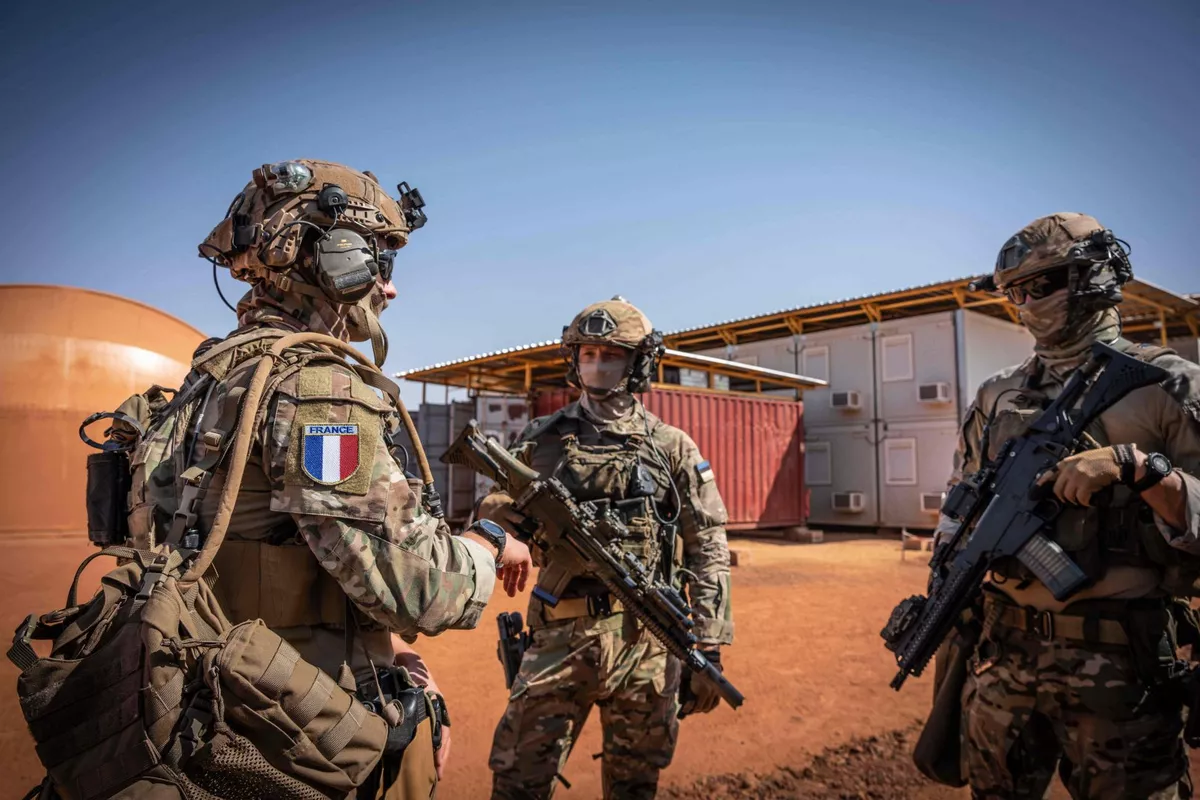
External interventions in the early 2010s did not fundamentally alter this trajectory. France’s military campaigns, including Operation Serval and Operation Barkhane, succeeded in containing immediate threats but failed to address the underlying drivers of instability. When President Assimi Goita consolidated power in 2020, he inherited a fragmented security environment with limited maneuvering room. He first leaned on anti-French sentiment, coupled with a strategic shift toward Russian support, framed as a corrective alternative. However, this shift has deepened reliance on militarized approaches that often exacerbate civilian harm while failing to produce sustainable stability. The Bamako-centered security policy did not reach rural areas.
Risk of Regional Spillover
The crisis in Mali now extends beyond national borders. The persistence of governance vacuums has heightened the risk of regional spillover, raising concerns about broader destabilization of the Sahel. In response, in 2024 Mali, Burkina Faso, and Niger established the Confederation of Sahel States as a mutual defense and political framework. Yet the durability of this alliance is closely tied to Mali’s internal trajectory. A potential collapse of the current regime in Mali could trigger significant regional repercussions, undermining the coherence of the alliance and reshaping security dynamics across the Sahel.
Russia’s growing role in Mali further complicates this landscape. While it is premature to declare the failure of Russian involvement through the Africa Corps, the sustainability of the Russian-style security model remains uncertain. Reports of withdrawals of Russian mercenaries from key northern regions such as Kidal and Gao highlight the persistent operational challenges faced by external actors. Compared to previous Western engagements, Russia operates with fewer resources and limited multilateral backing (currently about 2,500 Russians deployed across 20 bases in Mali). This raises critical questions about its ability to succeed where others have fallen short. Mali thus reinforces a broader lesson: external military involvement, absent deep engagement with local political dynamics and legitimacy structures, is unlikely to produce durable outcomes.
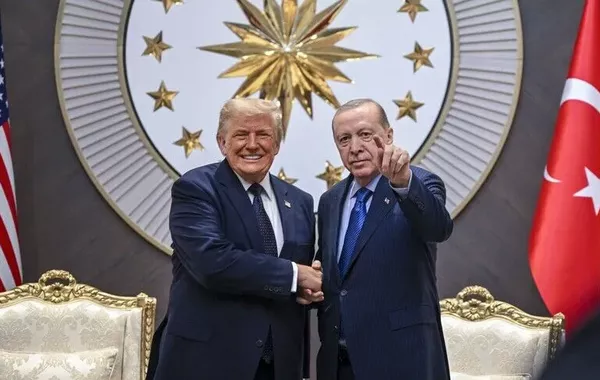
This is also closely related to the United States’ position in the Sahel crisis. The evolving contours of US foreign policy, particularly under the second administration of President Donald Trump, suggest a more ambivalent stance toward Russian involvement. This contrasts with the positions of the Economic Community of West African States (ECOWAS), the European Union, and previous US leadership under former President Joe Biden, all of which have framed Russian engagement as a destabilizing force.
Scenarios Beyond
Looking beyond the case of Mali, several critical scenarios emerge. First, the possibility of a de facto territorial partition between northern and southern Mali is becoming increasingly plausible. Second, the consolidation of an insurgent corridor stretching from Mali through Burkina Faso and Niger, and potentially linking to northern Nigeria, could create a transnational militant belt spanning 3,000 kilometers (1,864 miles). Such a development would significantly elevate the risk of the Sahel evolving into a global hub for jihadist activity, comparable in some respects to conflict zones like Syria in the 2010s. Third, prolonged instability will threaten global supply chains, particularly as West Africa holds significant reserves of bauxite and iron ore, as well as critical minerals including lithium, copper, and cobalt that are essential to Western countries.
Finally, the limitations of both Western and Russian approaches in the Sahel suggest the need for an alternative security architecture, a possible “third way” that integrates security with local socio-political and economic realities, rather than imposing externally driven models. In sum, Mali no doubt remains a test of the viability of competing models of external intervention in fragile states.
See the original article here