Islamabad Talks: Pakistan, Backed by China, US‑Iran Peace
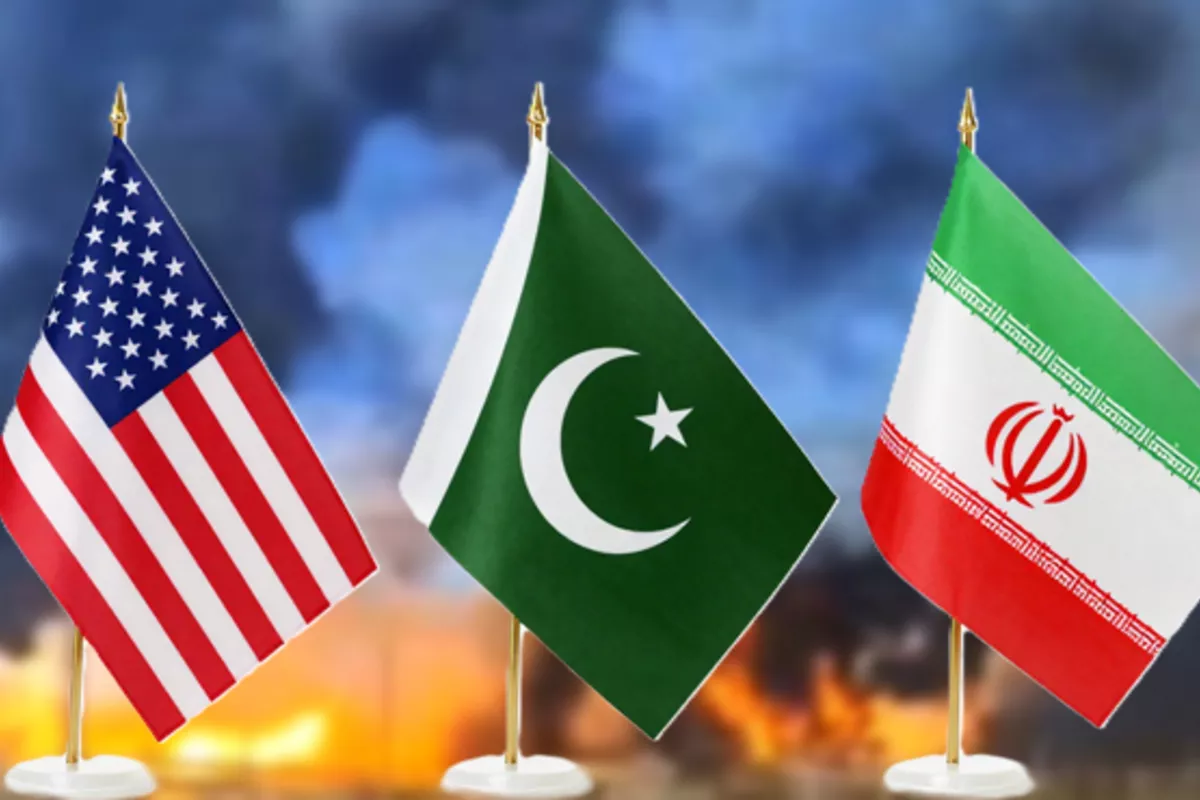
The region has breathed a sigh of relief after the temporary cease-fire was brokered by Pakistan between Iran, the U.S. and the other parties.
It has been more than a month since the so-called operation “Epic Fury” was started by the U.S. and Israel against Iran. Since then, Iran has been bombed numerous times, and its leadership has been decapitated, including Supreme Leader Ali Khamenei. The country has suffered severe infrastructure damage, and thousands of people have been killed and many injured. Despite all this, Iran is not surrendering and is constantly resisting the war inflicted on it. It has strategically struck the American bases in the region, specifically those hosted in Saudi Arabia, Qatar, Bahrain and the United Arab Emirates.
On the other hand, the cost of the war for America and Israel has been increasing with every passing day. It’s not the economic cost alone, but something more than that. It is losing its allies, costing it its reputation and decline in the so-called liberal values that it once stood for.
In all this chaos, Pakistan has emerged as a key peace broker and mediator in the conflict. The parties have shown trust in Pakistan, and it has emerged as a key player in the regional and global politics.
As per the report, the “Islamabad dialogues” aimed at finding a permanent solution to the conflict will take place in the capital of Pakistan on Friday. Pakistan’s increasing role in geopolitics stems from its willingness to mediate the conflict for several reasons, including its geographical proximity to Iran, its relations with regional players and the U.S. China’s strong backing and partnership have also significantly contributed to its rise in the region.
Pakistan-China Partnership
Last year, in May, Pakistan was engaged in a serious conflict with India, and a limited war was fought between the two rivals. The famous 59-minute dog fight in the skies turned the tables in favor of Pakistan, which proved itself as a superior and professional military power of the region. It destroyed several Indian Jets and shot down the celebrated Rafales as well. Moreover, it had been able to outclass India in the cyber domain and electronic warfare.
Despite the fact that Pakistan’s air force has been working on improving its cyber capabilities for the last decade, Chinese support and weapons have played a significant role in its success.
In the current scenario, Islamabad has taken the initiative to position itself as a negotiator in the Iran war, walking a tightrope to maintain the delicate balance required to earn the trust of all parties involved in this complex situation. It used its direct access to the U.S. and Iran’s leadership, along with other key players involved, including Saudi Arabia, Qatar and the UAE, to position itself as a balanced and neutral mediator.
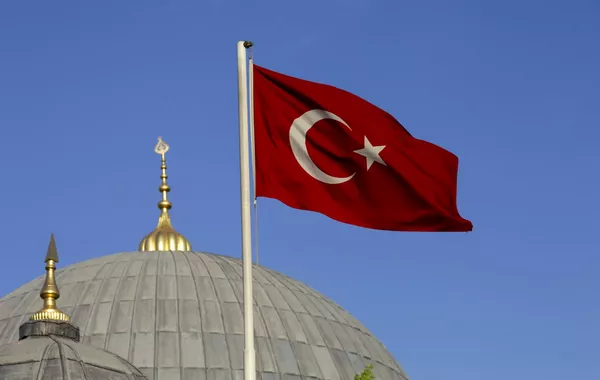
In the continuation of this effort, Islamabad hosted foreign ministers of three important countries of the region, namely Türkiye, Saudi Arabia and Egypt, in its efforts for de-escalation of the Iran war.
After charting out the potential framework, Pakistani Foreign Minister Ishaq Dar visited China. The visit is of utmost urgency and significance. As per the reports, China and Pakistan both agreed upon a five-point plan to ease the Iran crisis, including an immediate cease-fire, a halt to attacks on civilian and critical infrastructure, including energy, desalination and power facilities, and the reopening of the Strait of Hormuz.
Pakistan has taken China into confidence regarding its ongoing mediation efforts and has sought to bring China’s diplomatic and economic weight to its side, which may further help Pakistan finalize a framework for de-escalation in the region.
China, in return, has shown its full support in favor of Pakistan as Chinese Foreign Minister Wang declared that “China is willing to work with Pakistan to overcome difficulties, eliminate interference, quell the conflict as soon as possible ... and open a window for peace talks,” and calling Pakistan an “all-weather strategic cooperative partner.”
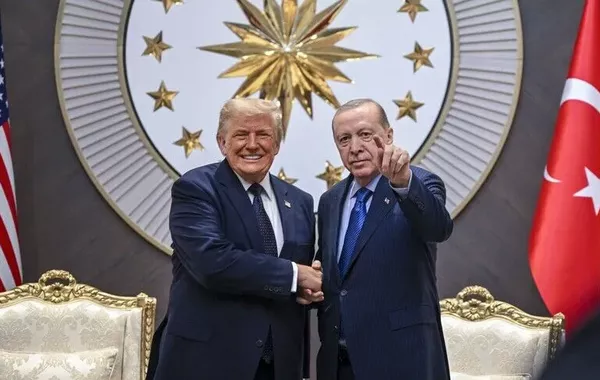
This indicates China’s full trust in Pakistan, and Islamabad will be able to leverage this to convince the U.S. and other stakeholders in the Middle East, many of whom may be dependent on China for economic and other reasons. China’s role has also been acknowledged by U.S. President Donald Trump following the cease-fire.
China may also gain from backing up the negotiations, as it has pragmatic reasons to do so. This includes its need to secure its energy flow, opening of the Strait of Hormuz, securing the Belt and Road Initiative (BRI) and China-Pakistan Economic Corridor (CPEC), and also to project itself as a responsible player who is on the side of peace rather than war. Moreover, it has also been able to quietly mediate between Saudi Arabia and Iran, which is a significant achievement for an emerging global player.
Moreover, reports have also confirmed China’s mediation efforts between Afghanistan and Pakistan. Its approach has centered on close communication, facilitating dialogue, and building conditions conducive to sustained negotiations. It engages parties at multiple levels and through multiple channels, producing slow but durable results.
These mediation efforts have not only increased China’s economic but also diplomatic footprint in the region. Its increasing role as a mediator positions China as a trusted player in the realm of diplomacy as compared to the U.S., which has been accused of disrupting the negotiation process twice under President Donald Trump’s administration. The U.S. has also faced criticism from its allies, including NATO, for not being able to take them into confidence before the start of the so-called operation against Iran.
In conclusion, the ultimate success of the mediation efforts between the U.S. and Iran will depend not only on Islamabad's ability to pursue the dialogues in a delicate manner, as has been manifested in the last month, but also on strong backing by China, which may be instrumental for the finalization of the possible "Islamabad Accords" to end the hostilities.
See the original here