Kazakhstan is taking fresh steps to diversify its energy partnerships, as discussions between Askhat Khassenov and Japanese lawmakers signal a potential new chapter in oil trade between Central Asia and East Asia. The talks, centered in Astana, reflect a broader strategic recalibration by Kazakhstan as it seeks to reduce dependence on traditional export routes and expand its global energy footprint.
At the same time, Japan-a resource-scarce but industrially advanced economy-continues to search for stable and diversified sources of crude oil amid shifting geopolitical dynamics.
The meeting between the head of KazMunayGas and Japanese representatives underscores the growing importance of bilateral energy cooperation. Beyond immediate commercial interests, the discussions point to deeper structural changes in global energy flows, where emerging partnerships are reshaping long-standing supply chains.
Strategic Diversification in Kazakhstan’s Energy Policy
Kazakhstan has long relied on a limited number of export corridors, particularly routes that pass through neighboring countries and established pipeline systems. While these channels have historically ensured steady revenue streams, they also expose the country to geopolitical risks and logistical constraints. As a result, Astana has been actively pursuing diversification strategies to secure alternative markets and reduce vulnerabilities.
The outreach to Japan fits squarely within this broader policy framework. By exploring export opportunities to East Asia, Kazakhstan aims to position itself as a more flexible and globally integrated energy supplier. Such diversification is not merely about increasing volumes; it is also about gaining leverage in pricing negotiations, strengthening economic resilience, and enhancing the country’s role in international energy markets.
Moreover, Kazakhstan’s vast hydrocarbon reserves provide a strong foundation for these ambitions. The country ranks among the leading oil producers in the region, and its ability to maintain or expand production levels will be critical in supporting new export initiatives. Engaging with Japan, therefore, represents both an economic opportunity and a strategic move to broaden its geopolitical reach.
Japan’s Energy Security and the Search for Stability
For Japan, the potential import of Kazakh oil aligns with its long-standing objective of ensuring energy security through diversification. As a country with limited domestic energy resources, Japan depends heavily on imports to sustain its industrial economy. Historically, much of its crude oil has been sourced from the Middle East, making it vulnerable to regional instability and supply disruptions.
In this context, Kazakhstan emerges as an attractive partner. Its relative political stability, combined with its resource base and geographic position, offers Japan an opportunity to reduce overreliance on any single region. While logistical challenges remain-particularly in transporting oil across vast distances-the strategic benefits of diversification could outweigh these obstacles.
Additionally, Japan’s involvement is not limited to purchasing crude oil. The discussions also touched on potential participation by Japanese companies in Kazakhstan’s geological exploration projects. This reflects a broader pattern of Japanese investment abroad, where energy partnerships often include upstream involvement, technology transfer, and long-term collaboration. Such engagement can help secure supply while also contributing to the development of Kazakhstan’s energy sector.
Expanding Export Routes and Infrastructure Challenges
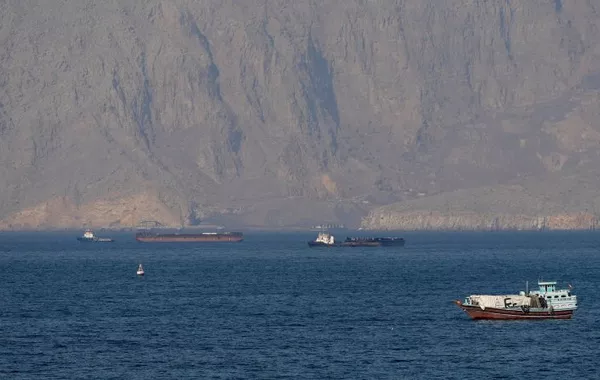
One of the key issues underpinning the Kazakhstan-Japan dialogue is the question of export routes. Unlike traditional suppliers that are geographically closer to Japan, Kazakhstan must navigate complex logistics to deliver its oil to East Asian markets. This involves a combination of pipeline networks, rail transport, and maritime shipping, each with its own set of costs and constraints.
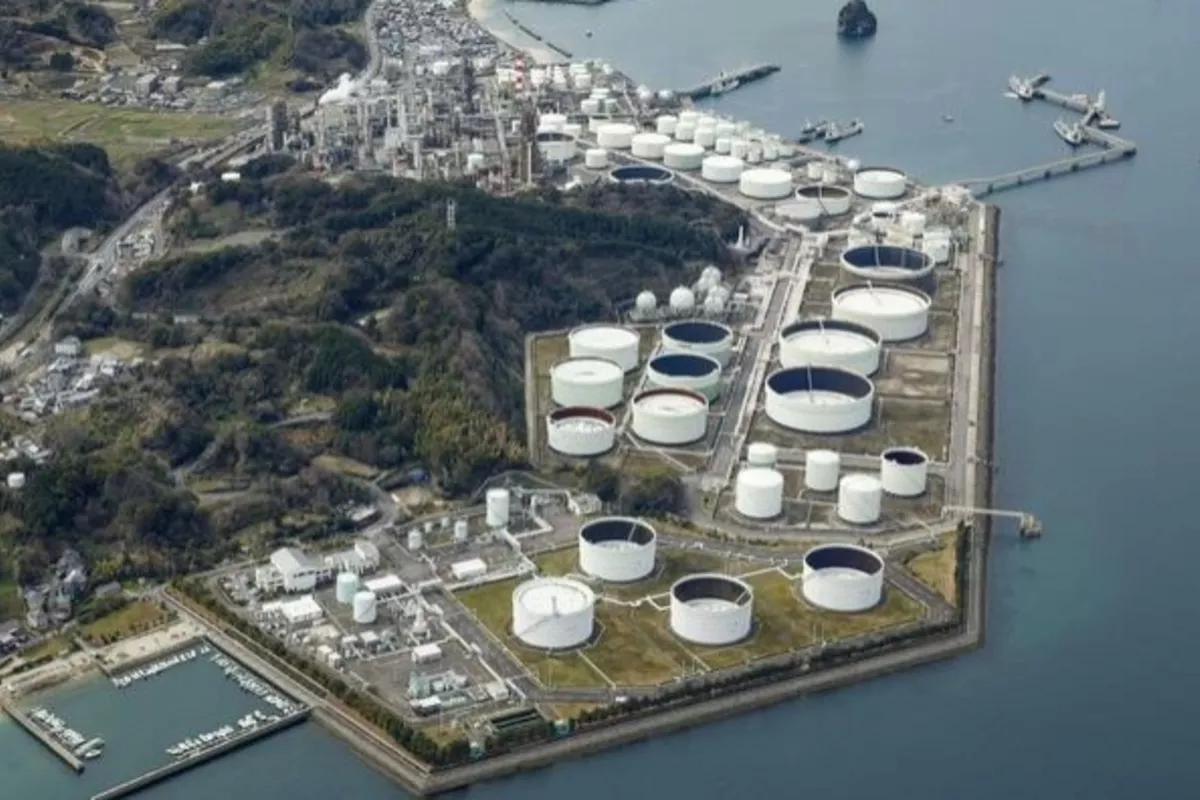
Developing efficient and reliable export routes will be crucial for making Kazakh oil competitive in the Japanese market. This may require investment in infrastructure, including port facilities, storage terminals, and transit agreements with intermediary countries. It could also involve leveraging existing regional initiatives aimed at improving connectivity between Central Asia and Asia-Pacific markets.
At the same time, technological advancements and evolving trade patterns could help mitigate some of these challenges. For instance, improvements in shipping efficiency and the development of new transit corridors may enhance the feasibility of long-distance oil exports. Kazakhstan’s willingness to explore these options demonstrates its commitment to overcoming logistical barriers and tapping into new markets.
Investment Opportunities and Long-Term Implications
Beyond immediate trade prospects, the talks highlight significant investment opportunities in Kazakhstan’s energy sector. The proposal for Japanese companies to participate in geological exploration projects is particularly noteworthy. Such collaborations could bring advanced technologies, expertise, and capital to Kazakhstan, helping to unlock new reserves and improve production efficiency.
For Japan, these investments offer a way to secure long-term access to energy resources while also diversifying its overseas portfolio. For Kazakhstan, they provide an avenue to modernize its energy industry and attract foreign direct investment. This mutually beneficial dynamic could serve as the foundation for a more comprehensive partnership that extends beyond oil trade.
In the long term, the success of Kazakhstan’s outreach to Japan could have broader implications for global energy markets. It may encourage other Central Asian producers to explore similar partnerships, thereby reshaping regional trade dynamics. It could also contribute to a more multipolar energy landscape, where supply chains are less concentrated and more resilient to disruptions.
However, several factors will determine the outcome of these efforts. Market conditions, geopolitical developments, and the pace of energy transition all play a role in shaping demand and investment decisions. As the world gradually shifts toward cleaner energy sources, both Kazakhstan and Japan will need to balance short-term economic interests with long-term sustainability goals.
A Calculated Step Toward Energy Realignment
The discussions between KazMunayGas and Japanese lawmakers represent more than a routine diplomatic engagement; they signal a calculated effort by both countries to adapt to a rapidly changing energy environment. For Kazakhstan, the move reflects a desire to expand its export horizons and reduce dependency on traditional routes. For Japan, it offers a pathway to enhance energy security and diversify supply sources.
While significant challenges remain-particularly in terms of logistics and infrastructure-the potential benefits of closer cooperation are substantial. If successfully implemented, the partnership could not only strengthen bilateral ties but also contribute to a more balanced and resilient global energy system.
As Kazakhstan continues to explore new opportunities and Japan seeks to secure stable energy supplies, their collaboration may well become a defining feature of evolving energy relations between Central Asia and East Asia.