Strikes on Iran's Bushehr Nuclear Plant: A Growing Radiation Threat
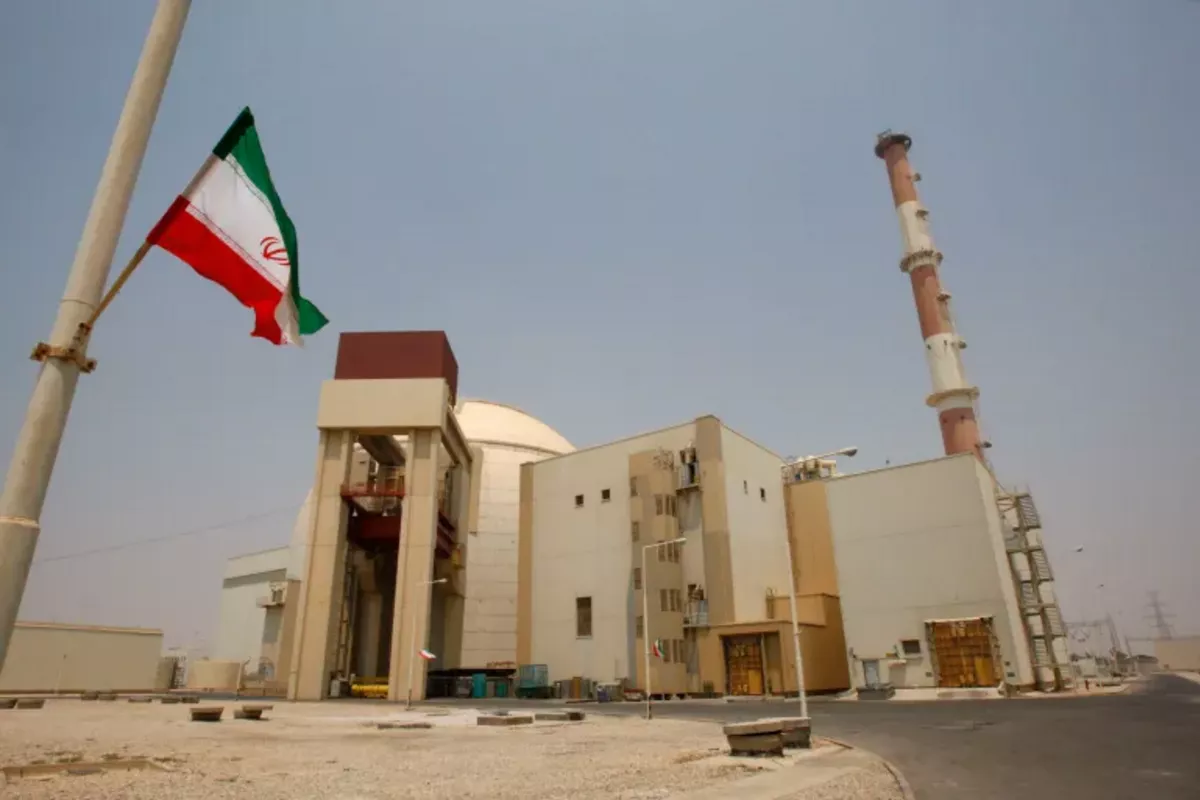
The Bushehr Nuclear Power Plant is Iran’s only operational nuclear power facility and a critical part of the country’s energy infrastructure. Located along the Persian Gulf coast, it plays a key role in electricity generation and regional energy stability.
Unlike many other nuclear sites, Bushehr is an active power plant containing nuclear fuel. This makes it significantly more sensitive to military strikes, as any damage to its core systems or spent fuel storage areas could lead to the release of radioactive materials.
What Makes a Strike So Dangerous
Military action targeting nuclear facilities carries inherent risks, but the danger is especially acute at operational plants. Damage to cooling systems, reactor containment structures, or fuel storage pools can trigger overheating or even partial meltdowns.
At facilities like Bushehr, nuclear fuel must be constantly cooled. If that cooling process is interrupted, temperatures can rise rapidly, increasing the likelihood of radiation leaks. Even limited structural damage could release radioactive particles into the surrounding environment.
Understanding Radioactive Contamination
Radioactive contamination occurs when radioactive substances are released into the air, water, or soil. Once dispersed, these materials can travel long distances depending on weather conditions, wind patterns, and ocean currents.
The scientific principle behind this risk is rooted in nuclear fission, which generates both energy and hazardous byproducts. If containment fails, these byproducts-such as iodine-131 or cesium-137-can pose serious health risks, including cancer and environmental damage lasting decades.
Regional and Global Implications
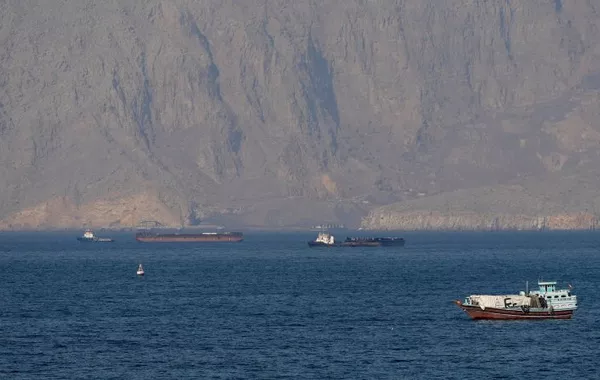
A serious incident at Bushehr would not be confined to Iran alone. Its coastal location raises concerns about contamination of the Persian Gulf, a vital waterway for global trade and energy supply.
Neighboring countries could be exposed to airborne radioactive materials, while marine ecosystems might suffer long-term damage. Fisheries, desalination plants, and coastal populations would all be at risk, potentially affecting millions of people across the region.
Lessons From Past Nuclear Incidents
History provides clear warnings about the consequences of nuclear accidents. The Chernobyl disaster and the Fukushima Daiichi nuclear disaster both demonstrated how radioactive contamination can spread across borders and persist for generations.
In both cases, failures in cooling systems and structural damage led to widespread environmental and human health impacts. These incidents underline the importance of maintaining strict safety measures and avoiding any actions that could compromise nuclear facility integrity.
International Concerns and Legal Frameworks
International organizations such as the International Atomic Energy Agency have long warned against targeting nuclear facilities during conflicts. Under international law, attacks on civilian nuclear infrastructure are considered highly dangerous due to the potential for catastrophic humanitarian consequences.
Experts argue that even the threat of strikes can increase risks, as heightened tensions may disrupt normal safety operations or emergency preparedness measures at such facilities.
The Human and Environmental Cost
Beyond the immediate risks, radioactive contamination can have long-term consequences for human health and the environment. Exposure to radiation can lead to acute illnesses, long-term cancers, and genetic damage.
Environmental effects include soil degradation, water contamination, and the loss of biodiversity. In heavily affected areas, entire communities may be forced to relocate, creating long-lasting economic and social disruption.
Why De-escalation Matters
Given the potential for widespread harm, many analysts stress the importance of avoiding military escalation around nuclear facilities. Preventing strikes on sites like Bushehr is seen as critical to reducing the risk of a regional or even global environmental crisis.
Diplomatic engagement, adherence to international norms, and cooperation with monitoring bodies are often cited as the most effective ways to mitigate these dangers.
What to Watch Going Forward
The situation highlights broader concerns about the vulnerability of nuclear infrastructure in conflict zones. As geopolitical tensions evolve, the safety of such facilities remains a key issue for global security.
Ensuring that nuclear plants are protected from military action is not only a regional priority but a global one-because the consequences of radioactive contamination do not respect borders.