The Economic Winners and Losers of the US/Israel-Iran War
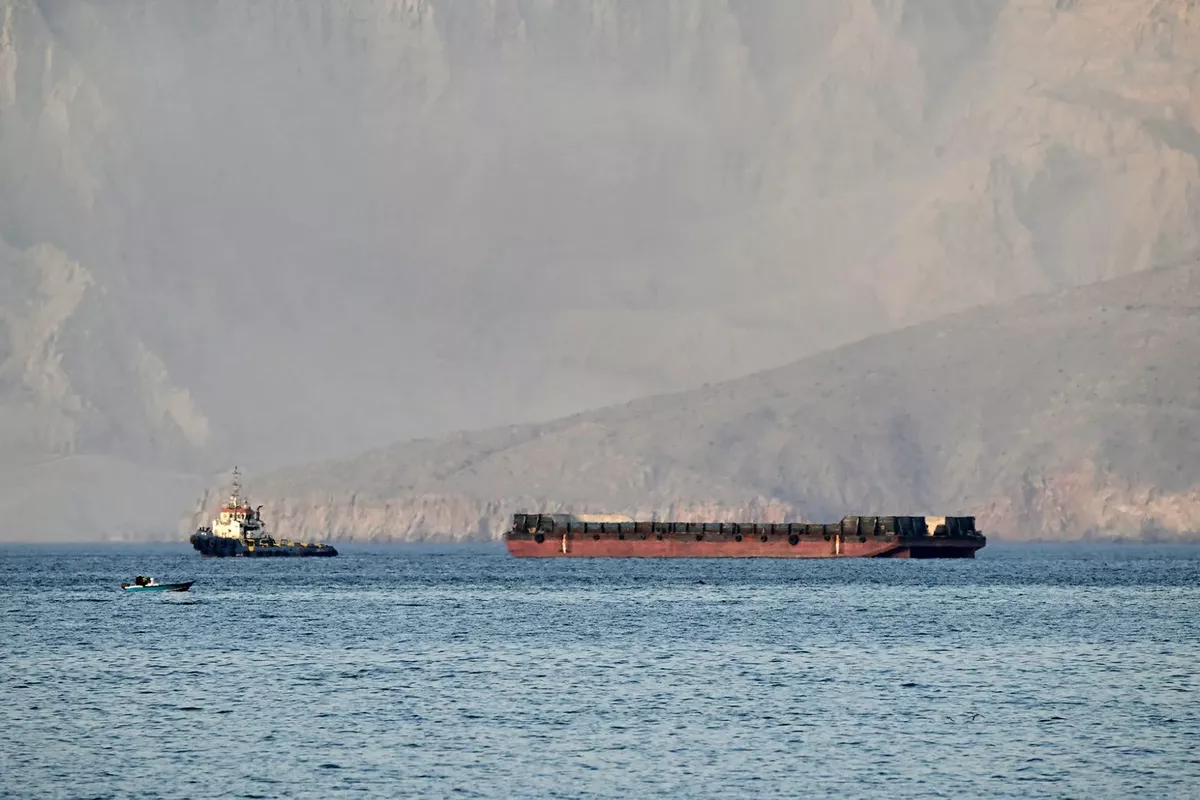
With little hope of a durable agreement between Washington and Tehran, shipping restrictions through the Strait of Hormuz appear likely to be an enduring feature of the world's economy rather than a temporary disruption. Some bargain may yet emerge, but the region's fragile balance has shattered, and the world will never again depend on this narrow waterway for so many of its most important supplies.
Beyond the conflict's tragic human losses, however, the global economy has responded as it always does to a massive supply shock. Desperate buyers seek out eager new sellers. Some markets dry up, but fresh transactions appear elsewhere. For every financial loss, there is likely to be a new profit.
The losers: Gulf exporters and vulnerable nations
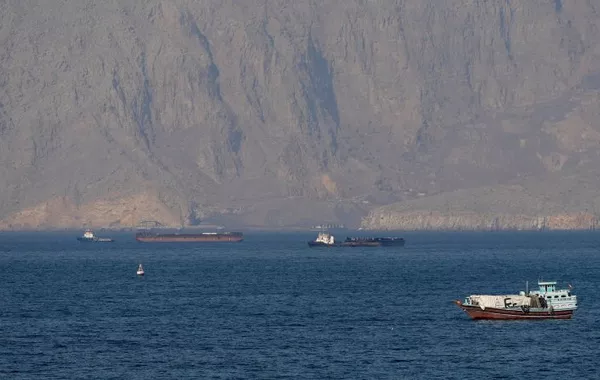
The Gulf's exporters have clearly posted the largest losses. It's worth clarifying that even without an agreement, the strait is not completely closed. At least a dozen commodity vessels pass through on most days, although many more may be making the run without trackable transponders. Higher oil prices help cushion the blow for countries like Saudi Arabia, but the IMF projects that the economies of Kuwait, Qatar, Bahrain, Iraq, and Iran will all contract this year.
The next hardest hit are the world's economically vulnerable nations, especially Egypt, Pakistan, Jordan, and Lebanon, because of their proximity to the wars. In addition to the sharp spike in their energy import bills, the loss of fertilizer exports from the Gulf will drive up their food costs as well. Higher biofuel prices as a consequence of the conflict have also driven up cooking oil costs. On top of it all, these countries have lost significant remittance flows from their overseas workers in the Gulf.
Slightly better off for now are energy importers like Japan, South Korea, and Taiwan, which have reserves that have helped cushion the blow as they scramble to find alternative sources of supply. That could change quickly, however, as these reserves dwindle. China's 1.2-1.4 billion barrels of reserves enabled it to sharply curtail imports, which helped stabilize global markets and keep prices from spiking much higher.
The winners: Alternative energy producers
In contrast to these energy losers, the world’s oil exporters have benefitted from huge new inflows. Canada, the United States, Nigeria, and Colombia are among the clearest beneficiaries. Their citizens must tolerate higher gasoline and home heating prices, but corporate tax revenues will get a clear boost. Norway gets a double boost as Europe's largest gas supplier. Russia would benefit even more if its oil refineries weren't under attack by Ukrainian drones, curtailing oil product exports.
Beyond energy and food, a broad shift is also underway across key global industrial supply chains. Costs have risen sharply for airlines as jet fuel prices soar. Aluminum producers have lost access to the cheap gas they need. Semiconductor manufacturers have driven up the price of helium, which is crucial for cooling wafer production.
On the other side of the balance sheet, the winners include shipping firms that benefit from higher global prices, as long as they don't have vessels trapped or damaged by the conflict. Ship insurance has turned especially lucrative as firms have managed to charge sharply higher premiums, and the US government has stepped in to cover some of the reinsurance costs. Pipe manufacturers and pipeline builders have boomed as demand surges to find alternative routes for Gulf energy exports. Renewable and nuclear energy will get a boost as carbon fuel prices rise.
Defense sector paradox
There is also the tricky issue around defense contractors. Simplistically, the US and Israeli attacks on Iran should mean more demand for bombs and more profits for the arms manufacturers. US President Donald Trump may not get the $1.5 trillion budget he has asked for next year, but Pentagon spending will almost certainly rise. Defense budgets have been increasing in Europe, Japan, South Korea, Australia, and across most major US allies.
However, the stocks of the largest US defense contractors have delivered mixed performance over the last six months as investors focus on contracts awarded and long-term profitability. The defense industry as a whole benefits from rising global tensions, from Donbas to the South China Sea, but not directly from any specific developments in the Gulf.
While the US and Iran threaten more aggressive action, neither side seems to want to escalate to open war. But neither side seems eager to lock in a settlement that may be worse than the current uncertain status quo. Unreliable passage through the strait will continue to force a structural adjustment in the global economy, with losers slowly and painfully giving way to distant and often unlikely winners.
Find the original article here