Türkiye Shifts From Russia and Iran Toward Azerbaijani Gas
A slow but steady shift is under way in the regional energy landscape. After decades of dependence on Russian and Iranian gas, Türkiye is preparing to revise its energy strategy, with Azerbaijan emerging as a central focus, particularly the new opportunities linked to the Absheron gas field.
Azerbaijan and Türkiye are in talks over gas supplies from the Absheron field, with initial deliveries to Türkiye expected to begin in 2029. The plans were announced by Azerbaijan’s Prime Minister Ali Asadov at the 12th meeting of the Azerbaijan-Türkiye Joint Intergovernmental Commission in Baku. While the statement may appear routine, it reflects a broader process that could reshape the energy balance across Eurasia.
Asadov said the energy partnership between Azerbaijan and Türkiye spans several major projects. In June, Türkiye Petrolleri Anonim Ortaklığı (TPAO) acquired a 30% stake in the offshore Shafag-Asiman field in the Azerbaijani sector of the Caspian Sea, marking a shift in Türkiye’s role from a gas importer to a participant in upstream development.
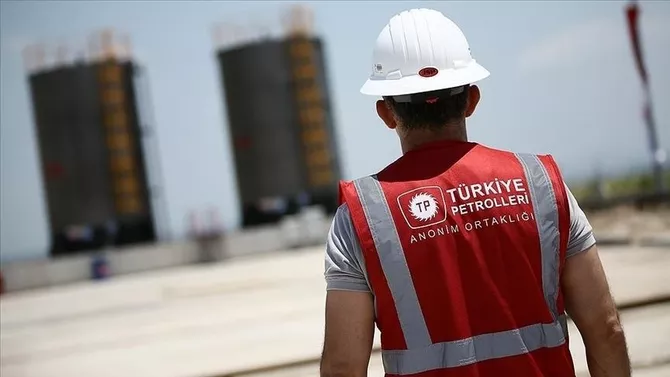
photo: Anadolu Agency
Speaking at Baku Energy Week, SOCAR Deputy Vice President Vitaliy Baylarbayov said the development of Absheron Phase 2 is moving toward a Final Investment Decision, paving the way for a production launch in late 2028 or early 2029. The timeline broadly coincides with the start of the third phase of the Shah Deniz Compression project, which at peak capacity could add more than 4 bcm a year and lift total output at the field to over 50 bcm.
The parallel timelines of Shah Deniz Compression and Absheron Phase 2 create a strategic window of opportunity, positioning Azerbaijan to strengthen its role as a key pipeline gas supplier to Türkiye at a time when Ankara is actively seeking to diversify its energy sources.
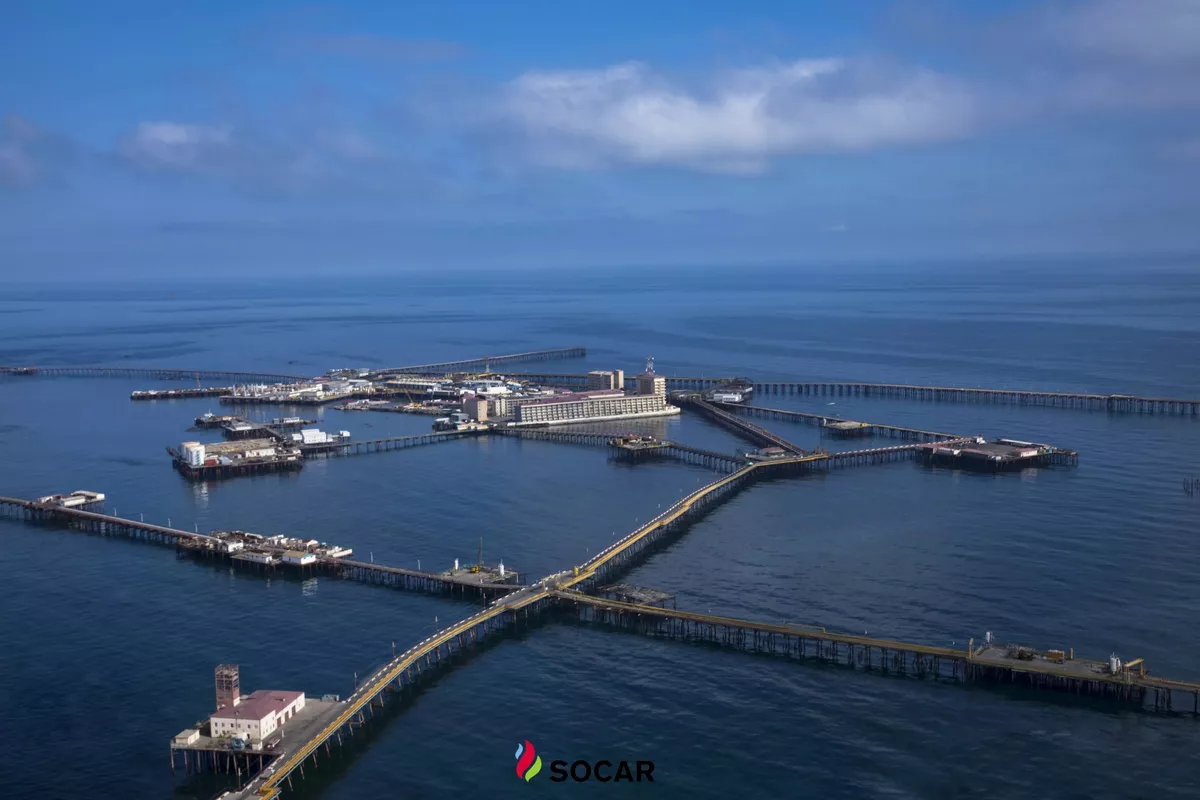
Discovered by Azerbaijani geologists in the 1960s, the Absheron gas condensate field is located about 100 km from Baku and 25 km northeast of Shah Deniz and is estimated to hold 350 bcm of reserves. Phase 1, which supplies the domestic market, currently produces around 1.5 bcm a year. Phase 2, targeting a minimum of 4.5 bcm annually, is expected to be launched by late 2028 - early 2029, with gas exports to Türkiye set to begin at this stage.
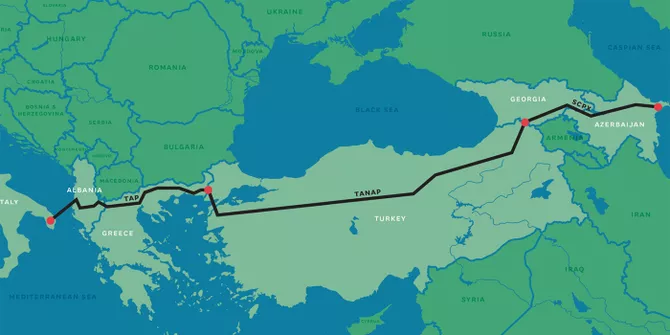
photo: News.Az
Commercial production at Absheron began in July 2023. Speaking at an oil and gas conference in Baku in June 2024, industry officials said Phase 2 could reach peak output of up to 110 thousand cubic meters per day, including 35 thousand tons of condensate, with total production expected to approach 5 bcm a year by late 2028.
The production sharing agreement for the Absheron development was signed in 2009 between TotalEnergies and SOCAR, each holding a 35% stake. In a recent development, the Abu Dhabi National Oil Company (ADNOC) joined the project, acquiring a 30% share under an agreement signed on August 4, 2023.
The involvement of TotalEnergies and ADNOC underscores global confidence in the long-term prospects of the Absheron field. At a time when investment in fossil fuels faces increasing scrutiny under ESG frameworks, the expansion of the consortium sends a strong signal of trust in the project’s future.
Analysts say global dynamics are prompting Türkiye to rethink its traditional energy model and pursue a more flexible strategy. Potential cuts in Russian gas imports, uncertainties over Iran, and pressure from Western partners are driving Ankara to diversify its energy sources. In this context, supplies from Azerbaijan and Turkmenistan are gaining strategic importance, alongside Türkiye’s efforts to expand its domestic resources and take part in upstream projects abroad.
In other words, Türkiye is seeking energy options rather than dependence, with Azerbaijan among the few countries able to provide that flexibility. Experts say the most critical period for Türkiye’s energy balance will come in 2028-2029, when large volumes of U.S. LNG are expected to enter the global market, potentially reshaping pricing and contract dynamics. Meanwhile, Shah Deniz contracts are anticipated to be reviewed and likely extended to align with Türkiye’s evolving economic priorities.
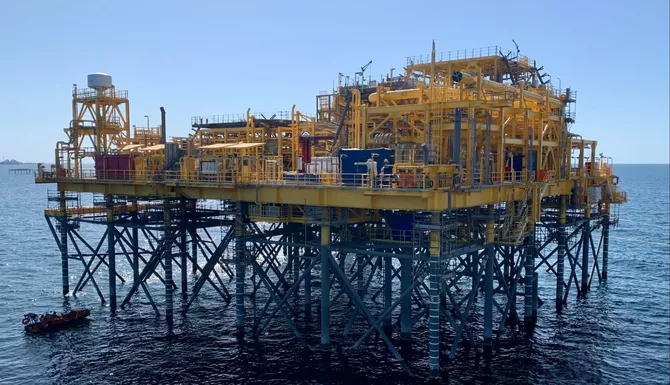
photo: caspianbarrel
Yet challenges remain, including financing Absheron Phase 2, securing long-term buyers, and addressing infrastructure requirements. While not insurmountable, these represent key checkpoints the project must navigate.
It is worth noting that in April, Türkiye’s Energy Minister Alparslan Bayraktar confirmed ongoing negotiations for a new gas supply agreement with Azerbaijan from the Karabakh field, with deliveries expected in 2028-2029. Bayraktar highlighted Türkiye’s historical reliance on Iran and Russia, noting that as existing contracts near expiry, Ankara is seeking alternative sources. Türkiye also received gas from Turkmenistan in 2025, and currently around 25% of its demand is met through LNG.
Azerbaijani gas is emerging as a viable alternative for Türkiye. According to the Turkish Energy Market Regulatory Authority, Azerbaijan exported 9.798 billion cubic metres of gas to Türkiye from January to October 2025, a 3.5% increase from the previous year. In October, Azerbaijan ranked second in supplies, accounting for 24.28% of total imports, behind Russia at 39.67% and ahead of Iran at 19.98%.
The takeaway is clear: Türkiye is not simply seeking an alternative - it is reshaping the architecture of its energy security. For Azerbaijan, this presents an opportunity to move beyond being an “important supplier” to becoming a “system-shaping partner.”
If Absheron advances through the investment stage on schedule and commercial agreements with Ankara are secured promptly, the project could become a cornerstone of the region’s evolving energy strategy. Over the next five to seven years, Baku and Ankara may elevate their cooperation from economic to geopolitical, forging a partnership in which gas serves not only as a resource but as a tool of influence, resilience, and long-term strategic development.
By Tural Heybatov