Caspian Sea Faces ‘Triple Planetary Crisis’: Can New Cross-Border Rules Save It?

Copyright UNEP

Caspian Sea Faces ‘Triple Planetary Crisis’: Can New Cross-Border Rules Save It?

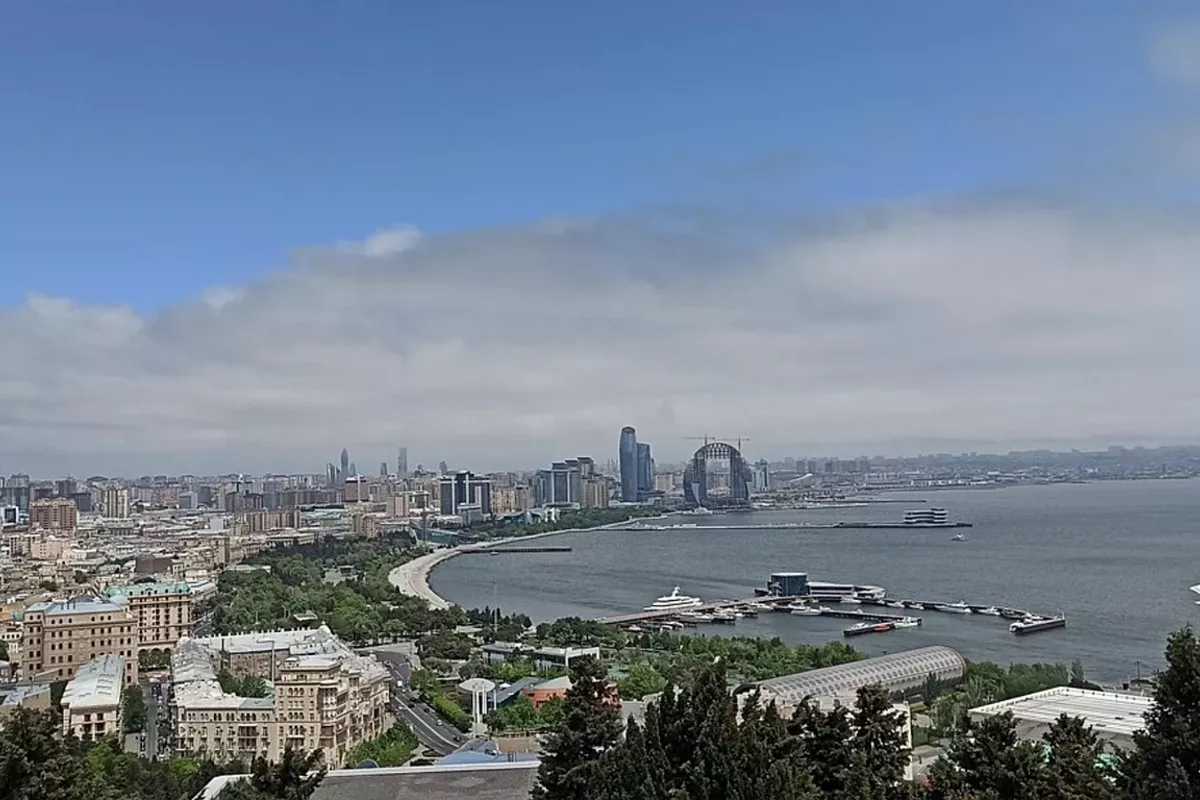
Azerbaijan has highlighted rising environmental threats to the Caspian Sea as UN introduces cross-border environmental assessments.

The Caspian Sea is suffering falling water levels and biodiversity loss.

Azerbaijan recently highlighted these growing environmental risks at the United Nations in Geneva, as new international rules governing large infrastructure projects around the region come into force, The Caspian Post reports, citing Euronews.

During UN discussions, Leyla Aliyeva, Vice-President of the Heydar Aliyev Foundation, joined senior officials and environmental experts to draw attention to governance challenges affecting the world’s largest enclosed body of water. Delegates stressed the importance of long-term monitoring, improved scientific data, and closer coordination between Caspian littoral states and international partners.

The renewed diplomatic focus coincides with a new Protocol on Environmental Impact Assessment under the Tehran Convention. The legally binding protocol requires major infrastructure projects to assess potential cross-border environmental impacts when requested by another Caspian state.

The projects include oil and gas facilities, pipelines, power stations, dams, transport corridors and large-scale water transfers. Assessments must be publicly available, and approval from affected states is required before construction can proceed.

Related news

Caspian Sea Faces ‘Triple Planetary Crisis’: Can New Cross-Border Rules Save It?

Azerbaijan has highlighted rising environmental threats to the Caspian Sea as UN introduces cross-border environmental assessments.