Central Asian countries-Kazakhstan, Kyrgyzstan, Tajikistan, Uzbekistan, and Turkmenistan-are significantly accelerating their transition toward green energy, driven by rising electricity demand, climate pressures, and efforts to modernise outdated power systems. In 2026, governments across the region have intensified investments in solar, wind, hydropower, hydrogen, and cross-border electricity infrastructure, positioning Central Asia as an emerging hub for renewable energy development.
A key structural driver is the rapid growth in electricity demand, projected to increase sharply in the coming decades due to industrialisation, urban expansion, and population growth. According to international energy assessments, regional electricity demand could triple by 2050 if current trends continue, placing pressure on governments to diversify away from fossil fuels and improve grid resilience.
At the same time, Central Asia holds vast untapped renewable potential, particularly in solar-rich deserts, high-wind corridors, and mountainous hydropower systems. Policy reforms and international financing are now turning this potential into large-scale projects.
Large Hydropower Expansion and Cross-Border Mega Projects
Hydropower remains the backbone of Central Asia’s renewable strategy, especially in Kyrgyzstan and Tajikistan, where mountainous terrain provides extensive water resources.
One of the most significant developments in 2026 is the advancement of the Kambarata-1 hydropower project, a regional megaproject being developed jointly by Kazakhstan, Kyrgyzstan, and Uzbekistan. The facility, planned on the Naryn River in Kyrgyzstan, is expected to reach nearly 2,000 MW of installed capacity, enough to supply electricity to around 1.5 million homes.
Financing discussions have involved international institutions including the World Bank, European Bank for Reconstruction and Development (EBRD), and European Investment Bank. The EBRD alone has considered lending up to $1.5 billion for the project, highlighting its strategic importance for regional energy security and water management.
In parallel, Tajikistan continues upgrading existing hydropower infrastructure. A recent modernization of the Qairokkum hydropower plant increased installed capacity from 126 MW to 174 MW, reinforcing its role as a key electricity supplier for hundreds of thousands of residents.
Kyrgyzstan is also rapidly scaling small hydropower. In 2026 alone, the country plans to commission 13 small hydropower plants with a combined capacity of over 80 MW, reflecting a decentralised approach to energy production.
Solar, Wind, and Hydrogen Expansion Backed by Foreign Investment
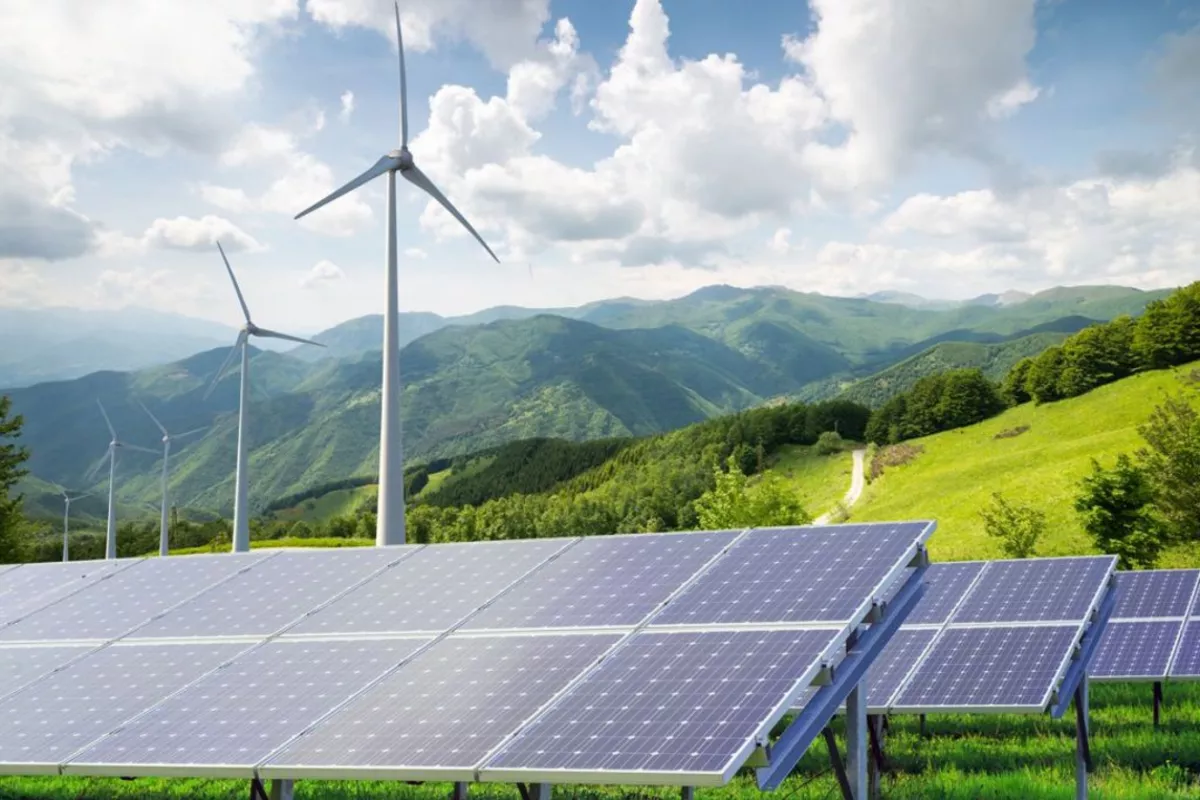
Beyond hydropower, Central Asia is experiencing a strong expansion of solar and wind energy projects, supported by foreign direct investment from the Gulf states, China, Europe, and South Korea.
Kazakhstan is leading large-scale wind deployment. In 2026, the country approved a 500 MW wind power project in the Karaganda region, developed in partnership with international energy companies, with an estimated investment of around $645 million. The project is expected to reduce emissions by over 1.3 million tonnes of CO₂ annually, aligning with Kazakhstan’s target of reaching 15% renewable electricity share by 2030.
Another major development is the Mirny wind farm project, a 1 GW facility backed by TotalEnergies, which is part of a broader push toward gigawatt-scale renewable installations in Kazakhstan.
Uzbekistan, meanwhile, has emerged as the region’s solar powerhouse. It has commissioned multiple solar and wind plants in recent years, contributing to over 5 GW of installed renewable capacity across solar and wind projects combined. In 2026, the country also launched a €9.46 billion green energy programme, covering 42 projects across generation, storage, and grid expansion.
Hydrogen is becoming a new frontier. Uzbekistan and Kazakhstan have both signed multi-billion-dollar agreements with foreign firms to develop green hydrogen production facilities aimed at exporting clean fuels and decarbonising heavy industry. These projects are still in early phases but are expected to become operational in the late 2020s.
Regional Electricity Market and Infrastructure Modernization
A key trend shaping 2026 is the creation of a more integrated regional electricity market. The World Bank-backed Regional Electricity Market Interconnectivity and Trade (REMIT) program is designed to establish Central Asia’s first unified electricity trading system.
The initiative includes financing of about $143 million in its initial phase, aimed at improving transmission infrastructure, expanding cross-border trade, and integrating renewable energy into national grids.
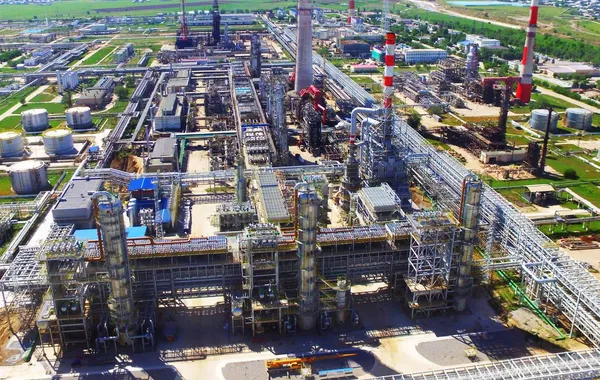
Currently, electricity trade in the region remains limited, accounting for only a small fraction of total consumption, despite strong complementarity between hydropower-rich upstream countries (Kyrgyzstan and Tajikistan) and fossil-fuel-rich downstream economies (Kazakhstan, Uzbekistan, and Turkmenistan). The REMIT program aims to significantly increase cross-border electricity flows and improve system stability.
At the same time, energy cooperation is increasingly tied to water management. Seasonal shortages, particularly in dry years, have forced countries to adopt water-energy swap agreements, where electricity is exchanged for regulated water releases from upstream reservoirs-an arrangement crucial for both agriculture and power generation stability.
Strategic Outlook: Toward a Low-Carbon Regional Energy Hub
By 2026, Central Asia is no longer viewed solely as a fossil-fuel or raw-material exporting region, but increasingly as a strategic renewable energy corridor linking Asia and Europe.
The combination of large hydropower projects, expanding solar and wind capacity, hydrogen pilot programmes, and regional grid integration is reshaping the region’s energy architecture. Countries such as Uzbekistan and Kazakhstan are targeting ambitious long-term goals, including renewable energy shares exceeding 50% in electricity generation by the 2030s.
However, significant challenges remain. These include water scarcity affecting hydropower reliability, aging transmission infrastructure, and the need for stable regulatory frameworks to attract long-term investment. Climate variability-especially glacier retreat in Tajikistan and Kyrgyzstan-also raises concerns about long-term hydropower sustainability.
Despite these challenges, the scale of investment in 2026 demonstrates strong political commitment and growing international confidence in Central Asia’s green transition. If current projects are successfully implemented, the region could emerge as one of the most dynamic renewable energy hubs bridging Europe and Asia in the coming decades.