Japan's Energy Hunt Runs into China's Lead in Central Asia, Latin America
As Japan steps up its energy diplomacy to secure alternatives to Middle Eastern oil and gas, Tokyo is finding that China has a head start in Central Asia and Latin America.
Energy is expected to be on the agenda for Japanese Prime Minister Sanae Takaichi's planned visit to Australia starting later this month. The country is Japan's biggest source of imported liquefied natural gas, The Caspian Post reports via Japanese media.
In an online summit with 15 Asia-Pacific leaders this month, Takaichi proposed a "POWERR Asia" initiative to provide financial support for energy resilience in the region. Australia was among the countries participating in the event.
Around the time of the prime minister's Australia trip, Foreign Minister Toshimitsu Motegi heads to Africa for a tour that includes Angola, one of the continent's biggest energy producers.
Motegi held talks with counterparts from Saudi Arabia and Oman this month. Both countries have ports that provide access to energy supplies without transiting the Strait of Hormuz, a chokepoint caught up in the Iran war. Takaichi held a call with Oman's Sultan Haitham bin Tariq bin Taimur al-Said on April 14, during which she is believed to have discussed oil procurement.
The urgency of these moves reflects Japan's near-total dependence on imports for its supply of fossil fuels. The U.S.-led strikes on Iran have been a wake-up call for Japan to renew its pursuit of more diverse energy sources.
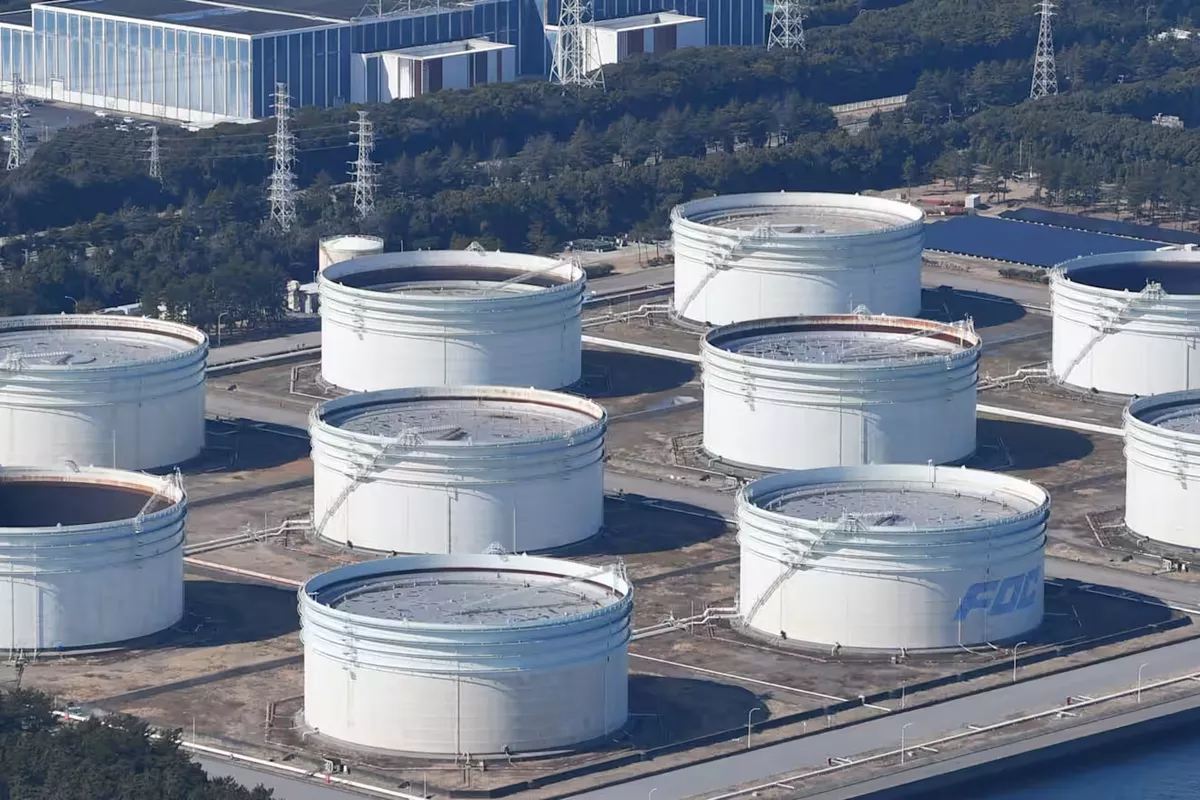
As of last year, the Middle East supplied 94% of Japan's crude oil imports, nearly all of which transited the Strait of Hormuz, the country's Agency for Natural Resources and Energy reports. Japan also imports LNG from Qatar.
The U.S. is Takaichi's first choice for diversifying its energy supply, a stance that aligns with President Donald Trump's desire to increase American fossil fuel exports. The U.S. accounted for just 4% of Japan's crude imports in 2025. Imports in May of this year are expected to be four times the year-earlier level.
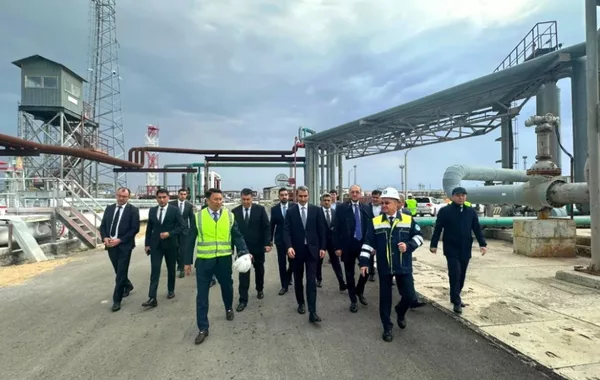
Central Asia and the Caucasus represent a new oil source for Japan, which already has ties with the region. Japanese government-backed oil driller Inpex holds stakes in oil fields in Kazakhstan and Azerbaijan.
Accessing the mostly landlocked region's energy presents challenges, including higher transportation costs. Japan sees Central Asia as a geopolitically important region and has worked to strengthen relations, such as hosting a summit of leaders from five nations in Tokyo last December.
But Japan has had no summit- or foreign minister-level telephone calls with the region since the Iran war broke out in late February. A Foreign Ministry official said Tokyo was "considering what Japan can do when it comes to procuring energy from Central Asia" in cooperation with the Ministry of Economy, Trade and Industry, private-sector companies and other partners.
China has courted Central Asia as an important corridor for its Belt and Road international infrastructure initiative. In March, Chinese President Xi Jinping met with Gurbanguly Berdimuhamedov, chairman of the People's Council of Turkmenistan, in Beijing and called for cooperation between the two countries on natural gas. Turkmenistan is China's fourth-largest source of imported gas.
In Latin America, top oil producer Brazil ranks China among its biggest export destinations. Elsewhere in the region, Guyana is said to have the most potential to increase oil production. Venezuela, another big producer, is on Washington's list of top countries for energy deals after the U.S. captured leader Nicolas Maduro in January.
Japan has little if any history in importing oil from Latin American countries. Tokyo is said to be exploring possibilities for energy cooperation through working-level talks with Brazil and Argentina, among other countries in the region.
The last Japanese prime minister to visit the region was Fumio Kishida in 2024, and his trip was the first by a Japanese leader in more than 10 years.
Other countries are pursuing their own approaches to energy diplomacy. Southeast Asian nations are looking to Russia. Indonesian President Prabowo Subianto met with Russian counterpart Vladimir Putin in Moscow this month to secure supplies of petroleum products. Vietnam and other countries in the region are also eager to procure Russian energy.
Japan, having aligned itself with Western efforts to isolate Moscow following its invasion of Ukraine, has few alternatives for expanding energy imports from Russia beyond the Sakhalin-2 oil and gas project, which is exempt from sanctions.