The United Nations has warned that the reported closure of the Strait of Hormuz could have devastating humanitarian and economic consequences, extending far beyond the Middle East and affecting millions of people worldwide.
The UN says disruptions to one of the world's busiest maritime chokepoints could interrupt the flow of essential goods, threaten global supply chains and deepen existing humanitarian challenges unless tensions are quickly de-escalated.
What is the UN warning about?
UN High Commissioner for Human Rights Volker Türk has expressed deep concern over reports that the Strait of Hormuz has been closed, describing the situation as alarming not only for countries in the Gulf but also for the broader international community.
According to Türk, the potential closure of the strategic waterway represents a serious human rights concern because of its central role in the transportation of energy supplies, food, medicines and other vital commodities.
"Reports on the closure of the Strait of Hormuz are very alarming for their impact on human rights far beyond the region," Türk said.
"It is a vital lifeline on which millions are reliant."
Why is the Strait of Hormuz so important?
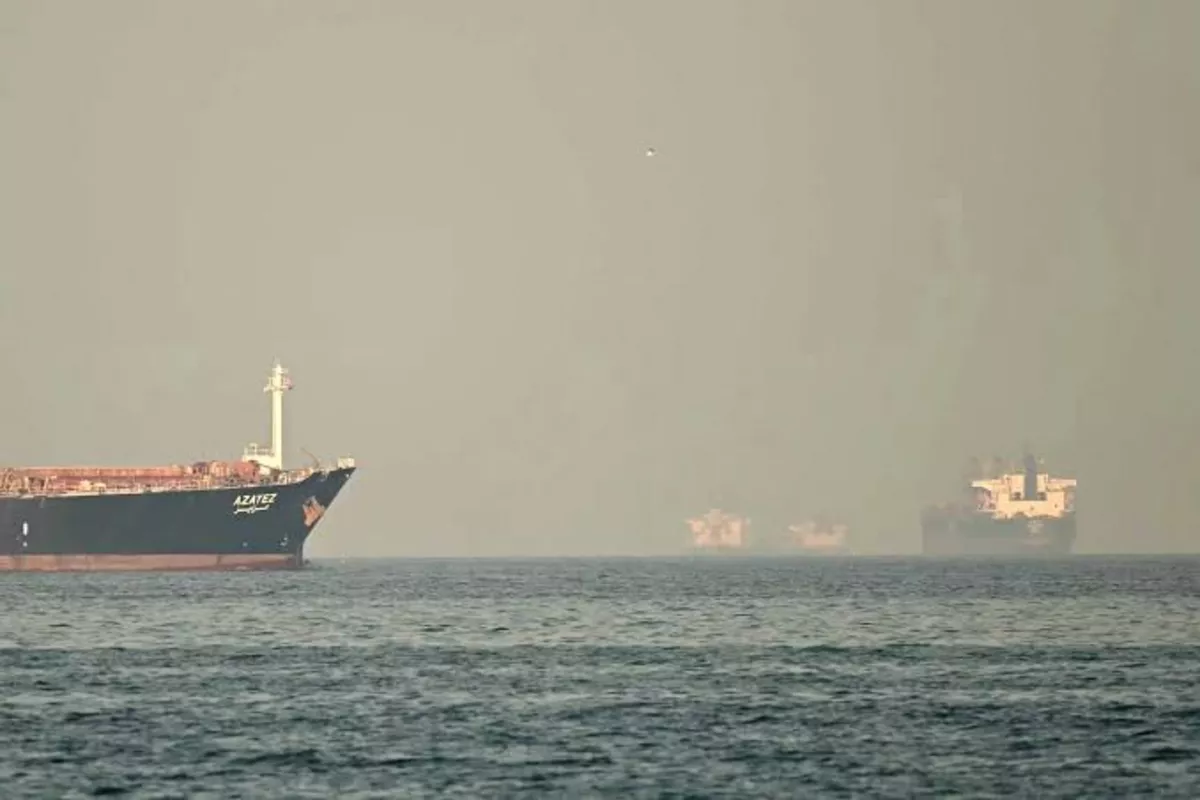
The Strait of Hormuz is one of the world's most strategically important maritime corridors, linking the Persian Gulf with the Gulf of Oman and the Arabian Sea. It serves as a critical gateway for international shipping and is used daily by commercial vessels transporting crude oil, liquefied natural gas, refined petroleum products, food supplies, medical goods and manufactured products.
Because so much international trade passes through the narrow waterway, even temporary disruptions can affect global supply chains, shipping schedules and commodity markets.
The UN warns that prolonged restrictions could reduce the availability of essential goods, increase transportation costs and place additional pressure on countries already facing economic or humanitarian difficulties.
How could the closure affect people?
Türk stressed that any interruption to maritime traffic through the Strait of Hormuz would extend well beyond the energy sector.
He warned that disruptions to the movement of food, medicines and other essential commodities could have severe humanitarian and socioeconomic consequences for populations both inside and outside the region.
"Disruptions to the flow of food, medicines, and other necessary commodities have severe socioeconomic and humanitarian consequences, both regionally and globally," Türk said.
The UN believes that vulnerable populations would be particularly exposed if shortages of essential goods emerge or if higher transport costs drive up prices.
What is the UN calling for?
The UN human rights chief urged all parties to immediately halt military operations and prioritize diplomatic efforts.
Referring to the reported attacks involving Iran and the United States, Türk said they "must stop immediately."
He also called on both sides to return to and fully implement the ceasefire in accordance with international law, arguing that diplomacy, restraint and de-escalation remain essential to preventing a wider regional crisis.
According to Türk, renewed political dialogue is necessary to protect civilians, safeguard maritime navigation and prevent further humanitarian deterioration.
Why are seafarers a major concern?
Beyond the impact on trade, the crisis has also created serious risks for thousands of civilian seafarers operating in one of the world's busiest shipping lanes.
Throughout the months-long conflict, the International Maritime Organization (IMO) has closely monitored security conditions to help protect more than 20,000 seafarers working aboard commercial vessels in the region.
Many crews have been unable to leave the Strait of Hormuz because of security concerns, leaving ships stranded for extended periods while waiting for safe passage.
The situation has raised growing concerns over the welfare, safety and mental health of crews remaining at sea amid continuing military activity.
What actions has the IMO taken?
The IMO has coordinated international efforts to assist affected crews throughout the crisis.
In June, the agency successfully evacuated approximately 11,000 seafarers from the region.
However, those evacuation operations were suspended on June 25 after a series of attacks significantly increased security risks, making further rescue missions unsafe.
The suspension left many vessels and crews still awaiting an opportunity to safely depart the area.
How is the international community responding?
To coordinate the international response, the United Nations established a Task Force on the Strait of Hormuz in March 2026.
The IMO is among the agencies participating in the task force, which brings together UN bodies and international partners to address maritime security, humanitarian concerns and the protection of civilian shipping.
The task force continues to monitor developments, coordinate emergency responses and assess the impact of the crisis on global commerce and humanitarian operations.
What is the broader concern?
The UN warns that the Hormuz crisis is no longer solely a regional security issue.
Because the strait serves as a vital artery for global trade, any prolonged disruption threatens international supply chains, increases economic uncertainty and risks creating humanitarian consequences that could affect countries far beyond the Middle East.
For that reason, the United Nations continues to urge all parties to cease military action immediately, preserve freedom of navigation and pursue diplomacy to prevent the situation from escalating further.