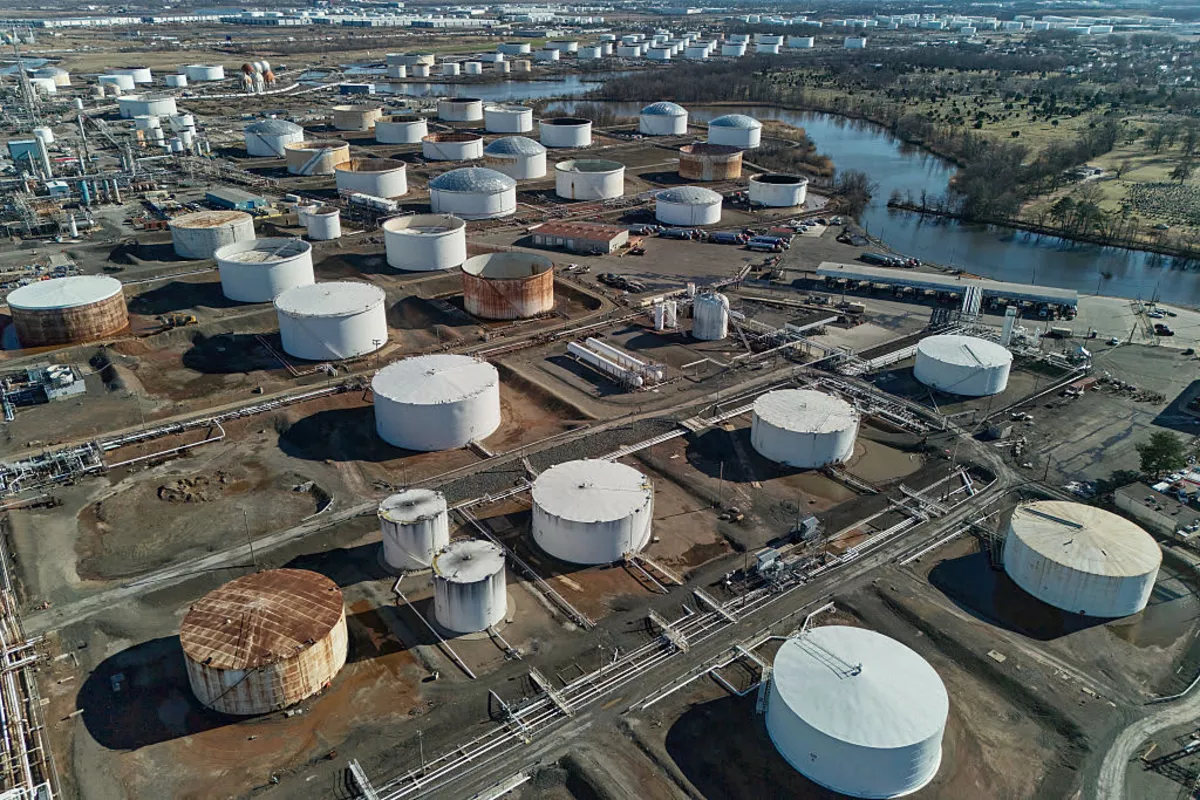
Source: CNBC
Global oil demand is expected to decline this year for the first time since the height of the COVID-19 pandemic in 2020, as higher oil prices and supply disruptions linked to the U.S.-Iran conflict weigh on consumption, according to the International Energy Agency (IEA), The Caspian Post reports, citing AP.
The IEA said global oil demand is projected to fall by about 1 million barrels per day in 2026. The agency attributed the decline to elevated oil prices and disruptions to physical supplies, which have affected regions around the world unevenly.
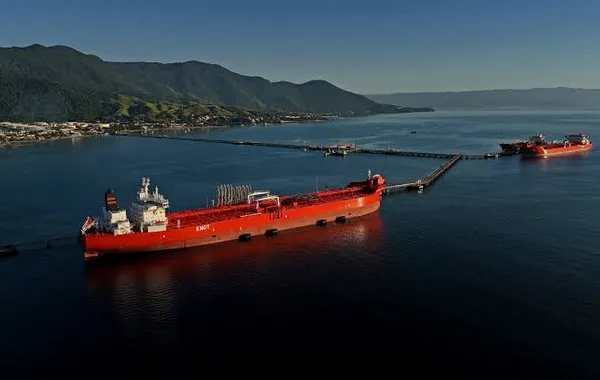
According to the report, the supply disruptions stemmed from the war between the United States and Iran, which left crude oil tankers stranded in the Persian Gulf for more than three months because they were unable to safely transit the Strait of Hormuz, one of the world's most important routes for oil and gas shipments.
"The future of Hormuz is probably more uncertain today than it was at the beginning of the war," said Jim Burkhard, Vice President and Head of Crude Oil Research at S&P Global Energy.
Burkhard said Iran continues to seek control over the strategic waterway, while the United States has not fully restored normal shipping operations, making a return to prewar conditions unlikely.
The IEA reported that global oil demand averaged 97.9 million barrels per day in May, down 5.3 million barrels per day compared with the same month a year earlier. The sharpest decline was recorded in Asia, a region heavily dependent on oil imports from the Middle East.
China’s decrease of 1.5 million barrels per day, representing a 9% decline, was by far the largest globally, the report said.
But the main exception to the global slump in oil usage was in the U.S., where gasoline use increased in the second quarter of 2026, despite the fact that pump prices were about 50% above their prewar levels in May, the report said.
Share on social media