Source: Reuters
The Organization of the Petroleum Exporting Countries (OPEC) has lowered its forecast for global oil demand growth in 2026 to 970,000 barrels per day (bpd), according to the group's monthly report released on Thursday.
The revision marks the second consecutive downgrade, The Caspian Post reports, citing The Economic Times.
Despite the reduction, OPEC continues to expect a more limited impact on oil consumption from the ongoing Iran conflict than other major forecasters, including the U.S. Energy Information Administration and the International Energy Agency.
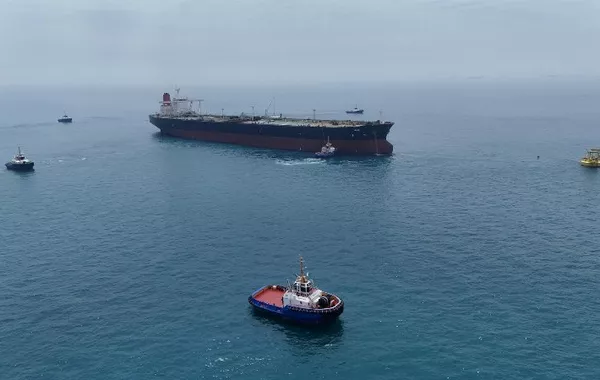
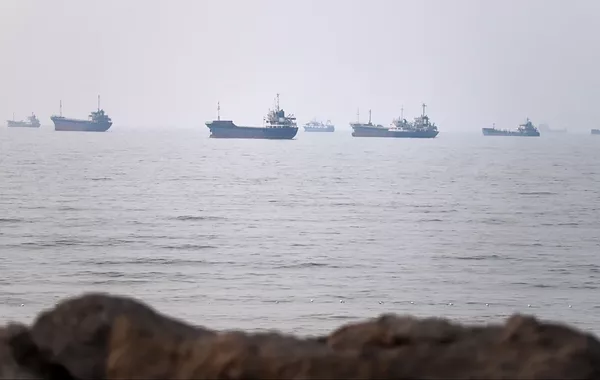
The organization said it expects demand to recover later and raised its forecast for oil demand growth in 2027. The conflict has effectively shut down the Strait of Hormuz, one of the world's most critical oil shipping routes, restricting millions of barrels of Middle Eastern oil production. The resulting rise in fuel prices has increased pressure on consumers and businesses worldwide.
Under its latest outlook, OPEC reduced its estimate for oil demand growth in 2026 from the previously projected 1.17 million bpd. For 2027, the group now expects demand to increase by 1.73 million bpd, an upward revision of 190,000 bpd from its earlier forecast.
“The global economic performance in the first half of 2026 has remained resilient, despite ongoing geopolitical tensions,” OPEC said in the report, while leaving its broader economic growth projections unchanged.
OPEC+, which includes OPEC members and allied producers such as Russia, had previously agreed to gradually increase oil output beginning in April. However, the closure of the Strait of Hormuz has made it impossible to raise production as planned.
The report also showed that oil production declined further in May. According to secondary sources used by OPEC to monitor output, OPEC+ crude production averaged 33.13 million bpd during the month, down 190,000 bpd from April levels.
Iran recorded the largest production decline among member countries. Tanker-tracking data indicated that the country’s oil exports dropped sharply in May due to a U.S. blockade. The May production figures also include the United Arab Emirates, which officially withdrew from both OPEC and OPEC+ on May 1.
Share on social media