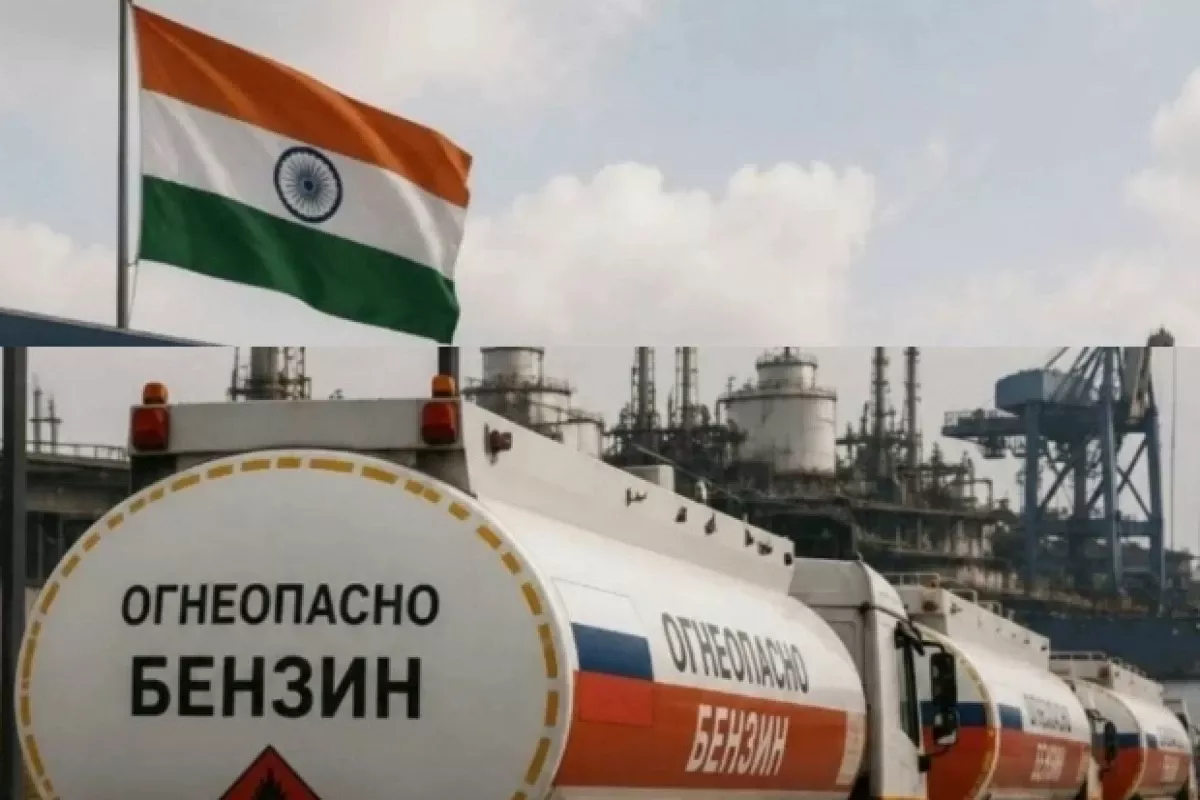
India has clarified that its oil companies are not directly exporting refined fuel to Russia, following reports that Moscow has started importing gasoline from India to address a worsening domestic fuel shortage.
The clarification comes at a time when global energy markets remain under close scrutiny, with Russia looking beyond its traditional supply network to stabilize fuel availability at home, while India continues to balance its role as one of the world's largest fuel refiners with its international diplomatic and commercial relationships.
What Prompted India's Clarification?
India's Petroleum and Natural Gas Minister, Hardeep Singh Puri, responded to media reports suggesting that Russia had begun importing gasoline from India by stressing that Indian companies are not directly selling fuel to Russia.
According to the minister, any refined fuel of Indian origin reaching Russia is likely being traded through international commodity traders rather than sold directly by Indian refiners.
The distinction is significant because refined petroleum products often change ownership multiple times after leaving the refinery. Once cargoes enter the global trading system, they may be purchased, resold and redirected to different destinations by trading houses, making the final buyer different from the refinery's original customer.
What Do the Reports Say?
The clarification followed a Reuters report stating that Russia has started importing gasoline from India by sea to help reduce a growing domestic fuel deficit.
Industry sources cited in the report said:
- Around 60,000 metric tons of gasoline have already been shipped from India.
- Two additional tankers carrying 30,000 to 40,000 metric tons each have reportedly been dispatched.
- Russia is expected to continue sourcing fuel imports in the coming months if domestic shortages persist.
While these shipments reportedly originated from India, the government maintains they do not represent direct sales between Indian oil companies and Russian buyers.
Why Is Russia Importing Gasoline?
The reports may appear surprising given that Russia is one of the world's largest crude oil producers and exporters.
However, producing crude oil and maintaining adequate supplies of refined fuels such as gasoline are two different challenges.
Russia has been experiencing fuel shortages across several regions, leading to:
- Petrol rationing in some areas.
- Long queues at filling stations.
- Record-high domestic gasoline prices.
- Pressure on supplies during the peak summer driving season.
The shortages have been linked to a combination of factors, including increased seasonal demand, refinery disruptions and efforts to prioritize fuel availability for domestic consumers.
Earlier this week, the Kremlin confirmed it was in discussions with several countries to secure gasoline imports at commercially viable prices.
How Much Fuel Does Russia Need?
According to industry sources, Russia plans to import approximately 400,000 metric tons of gasoline every month from multiple suppliers.
Belarus, Russia's close ally and neighboring country, is already supplying gasoline, and India is among the countries whose refined fuel has reportedly entered Russia's import supply chain through traders.
Russia's summer gasoline demand exceeds 110,000 metric tons per day, making even relatively small supply disruptions capable of affecting domestic fuel availability and prices.
Why Does It Matter Whether the Fuel Is Sold Directly?
The distinction between direct exports and trader-mediated sales is important.
In international oil markets, refiners generally sell cargoes to trading companies or commercial buyers. These traders may then resell the products to customers in entirely different markets depending on commercial demand.
By emphasizing that Indian companies are not directly selling gasoline to Russia, the government is underlining that any Indian-origin fuel reaching Russia is moving through normal international trading channels rather than through direct bilateral commercial arrangements.
How Has India Become a Major Fuel Exporter?
Over the past few years, India has emerged as one of the world's largest refining hubs.
The country imports crude oil from multiple suppliers, processes it into products such as petrol, diesel and aviation fuel, and exports those refined products to markets across Asia, Europe, Africa and other regions.
Because refined fuels are globally traded commodities, cargoes exported from India may ultimately be purchased by buyers in countries different from the refinery's original destination.
What Did the Minister Say About India's Fuel Market?
Speaking separately, Puri highlighted the financial challenges faced by India's state-run oil marketing companies (OMCs).
He said the companies collectively incurred losses of ₹74,781 crore by selling petrol, diesel and liquefied petroleum gas (LPG) below cost through June 30.
The losses occurred because international crude oil prices rose sharply during the recent conflict in West Asia, increasing the cost of crude imports while domestic retail fuel prices remained largely unchanged.
Why Are Oil Companies Still Feeling the Impact of Higher Prices?
Although global crude prices have moderated in recent weeks, refiners are still processing crude purchased when prices were significantly higher.
Oil companies typically buy crude oil around two months before it reaches refineries. As a result, much of the fuel currently being refined is based on cargoes purchased during April and early May, when benchmark crude prices surged.
This means refiners continue to bear the higher costs associated with earlier purchases even after international oil prices begin to decline.
The lag between crude purchases and fuel production also explains why changes in global oil prices are not immediately reflected in domestic retail fuel prices.
Will Petrol and Diesel Prices Be Reduced?
Puri said there is no immediate decision on reducing petrol and diesel prices.
According to the minister, any future reduction will depend on whether international crude oil prices remain at lower levels for a sustained period.
If crude prices continue to soften, refiners would gradually begin processing lower-cost cargoes purchased at the new prices, creating greater room for adjustments in domestic fuel prices.
The Bigger Picture
India's clarification underscores the complexity of the global oil trade, where refined petroleum products frequently change hands through international traders before reaching their final destination.
At the same time, Russia's reported gasoline imports illustrate that even major energy producers can face temporary shortages of refined fuels due to seasonal demand, supply disruptions and market dynamics.
For India, the issue also highlights the balancing act between maintaining its position as a major refining and fuel-exporting nation, managing domestic fuel pricing pressures and navigating the geopolitical sensitivities surrounding global energy trade.