Why Oil Market Turmoil Often Benefits Russia
Escalating tensions in the Middle East have shaken global energy markets, pushing oil prices sharply higher amid fears that the conflict could disrupt shipments through the Strait of Hormuz, one of the world’s most important energy transit routes.
Russia is emerging as one of the main economic beneficiaries of the ongoing conflict between the United States, Israel and Iran, as rising global oil prices and temporary easing of sanctions are boosting both the value and volume of its crude exports, according to analysts, The Caspian Post reports, citing CNBC.
“Russia stands to gain revenue from higher oil prices, especially as the U.S. has relaxed restrictions on selling Russian crude to India,” said Saul Kavonic, head of energy research at MST Marquee.
Oil prices climbed above $100 per barrel on March 9 as traders priced in the risk that fighting in the Gulf could disrupt tanker traffic through the Strait of Hormuz, a chokepoint that carries about one-fifth of the world’s oil supply. Although prices fell by around 7% on March 10 after U.S. President Donald Trump said the conflict could end soon, crude remains roughly 27% higher than it was before the war began.
For Russia, one of the world’s largest oil exporters despite Western sanctions imposed after its invasion of Ukraine, the price rally translates directly into higher state revenues.
Henning Gloystein, managing director for energy and resources at Eurasia Group, said Moscow has “already hugely benefited” from the situation after Washington granted India a temporary waiver allowing continued purchases of Russian crude.
“Cargoes have been sold around $90 per barrel, which represents a significant increase in both price and sales volume for Russia,” he said, noting that prices were around $50 per barrel before the Iran conflict.
Analysts say the combination of higher global prices and looser enforcement of sanctions has allowed more Russian oil to stay on the market, giving the Kremlin a short-term financial boost.
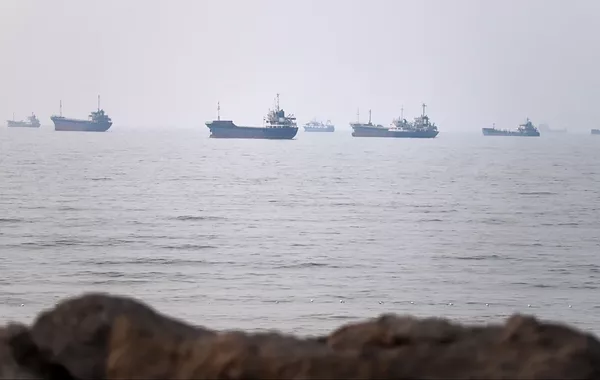
Muyu Xu, a senior analyst at Kpler, said renewed demand from India has helped drive up prices for Russian crude while also reducing a backlog of shipments that had accumulated at sea.
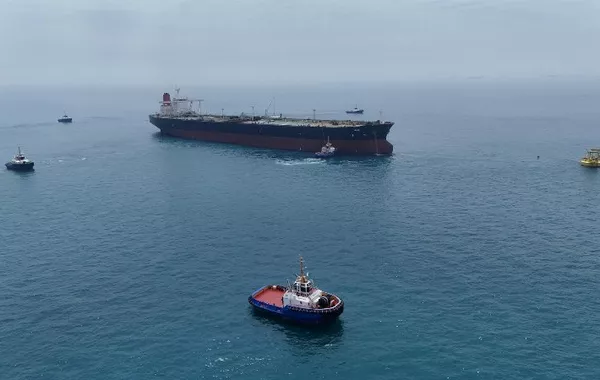
Data from Kpler shows that the volume of Russian crude stored on tankers dropped to 118.3 million barrels this week from 132.9 million barrels at the end of February, indicating that cargoes are moving more quickly to buyers.
Meanwhile, the war in the Middle East has triggered what analysts at Rapidan Energy Group describe as the largest disruption in oil supplies in history.
Experts say no producers currently active in the market are capable of fully offsetting potential losses from Persian Gulf exporters, with any disruption in the Strait of Hormuz threatening roughly 20% of global oil supply.