Why Russia Is Turning to Larger Tankers for Oil Supplies to China
Russia is restructuring its oil export logistics as shipments to China increase, redirecting part of its crude flows from smaller tankers to much larger vessels at a newly utilized offshore transshipment point to support the longer journey east.
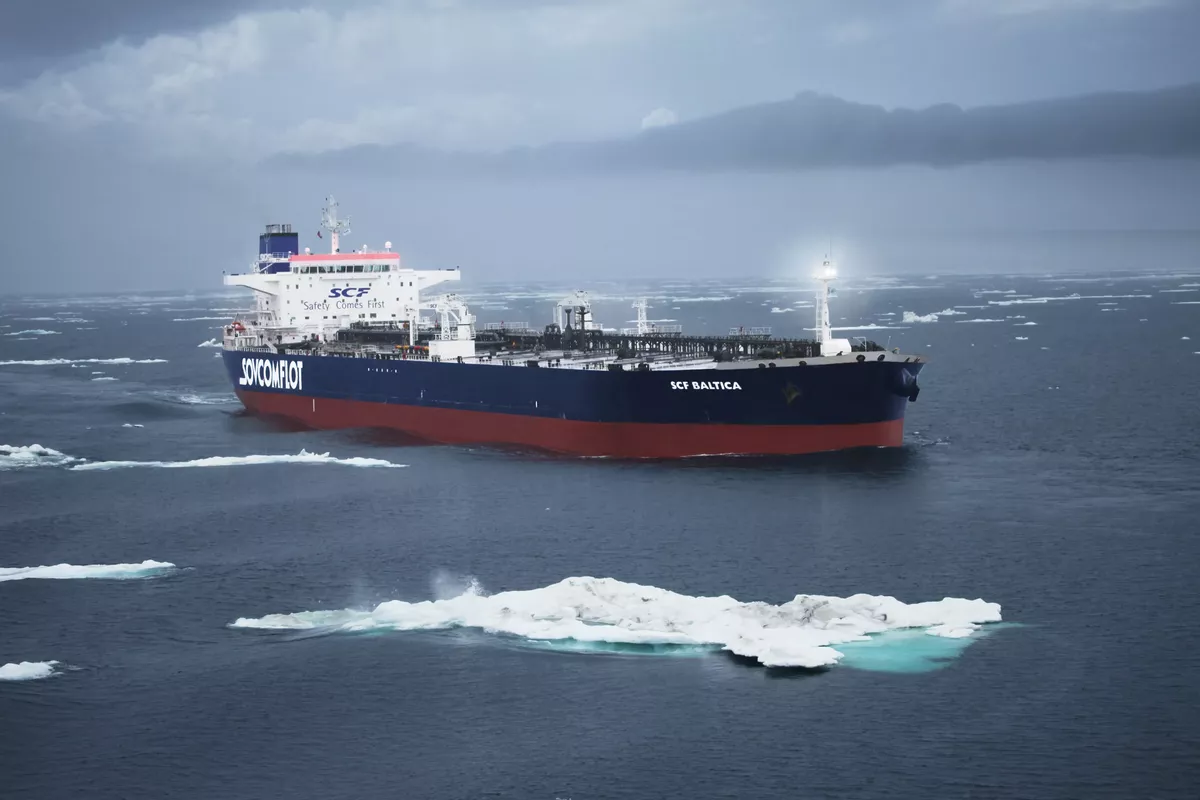
For much of the past several years, India had been the primary destination for Russia’s seaborne crude exports. However, as Indian refiners scaled back purchases, China has stepped in to absorb higher volumes. This shift has prompted Moscow to load crude onto Very Large Crude Carriers (VLCCs), which can transport up to 2 million barrels per voyage, The Caspian Post reports, citing Bloomberg.
According to tracking platforms Vortex Ltd. and Kpler, since December, about 6.3-6.9 million barrels of Urals crude oil - the country's flagship grade - have been transported on small tankers through European waters and the Suez Canal into the Red Sea, and then transshipped onto four very large shuttle tankers. This offshore area is a well-developed location for offshore transshipments.
Ship-to-ship oil transshipment - and the use of larger Very Large Crude Carriers (VLCCs) - indicate a shift in buyer profiles: Beijing is taking more oil, while Indian refineries are reducing volumes, Vortexa reports. "This indicates a growing reliance on China as the primary market for Russian Urals oil," said analyst Anna Zhminko.
After Russia's invasion of Ukraine four years ago and waves of sanctions, Moscow has demonstrated an ability to redirect its oil exports to maintain trade, even if it incurs additional costs and detours, the publication writes. Recent pressure from the US on Urals oil supplies to India has led to China taking up some of the shortfall, the publication notes.
"The change is evident in the volumes," the publication writes. According to monitoring data, Russian oil supplies to Chinese ports in the first 18 days of February increased to 2.09 million barrels per day. This increase - from 1.72 million barrels per day for all of January and 1.39 million in December - more than offset the decline in supplies to India, the publication indicates.
The use of Very Large Crude Carriers (VLCCs) is economically viable given the significantly greater distance from Russia to China. Larger vessels can also be a more economical floating storage if a buyer for the cargo cannot be found.
The use of the Red Sea as a transshipment point for Russian oil has resulted from closer scrutiny of traditional ports, including areas north of the Suez Canal, or sometimes off the coasts of Greece or Malta. In the Middle East, the presence of the US Navy has apparently reduced the attractiveness of transshipment near Oman.
""Sahara" - a 2007-built supertanker under US sanctions - was one of the very large tankers that recently transshipped off the Sinai Peninsula, taking on oil delivered by Suezmax and Aframax tankers. It then unloaded a 1.7 million barrel cargo off the coast of Nakhodka in Russia's Far East onto other tankers, which, in turn, delivered the oil to China," the publication states.
In total, the oil transportation took about three months from the Black Sea port of Novorossiysk, compared to the five to six weeks it usually takes, the publication writes.
The contact details of the managing company and owner of "Sahara", HS Nellis Ltd., based in Liberia, are reportedly missing from the Equasis maritime database.