Photo: Uz.kursiv.media
India has not allocated any funds for the development of Iran’s strategically important Chabahar Port in its 2026 financial year budget, signaling a pause in one of New Delhi’s key regional connectivity projects.
The decision comes amid growing uncertainty over U.S. sanctions policy toward Iran and concerns about potential secondary sanctions on foreign partners involved in Iranian infrastructure projects, The Caspian Post reports, citing Neftegaz.ru.
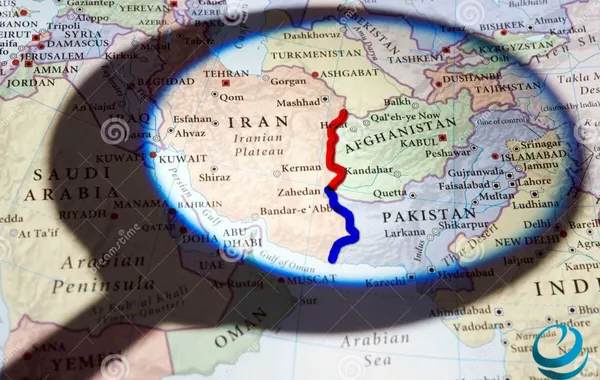
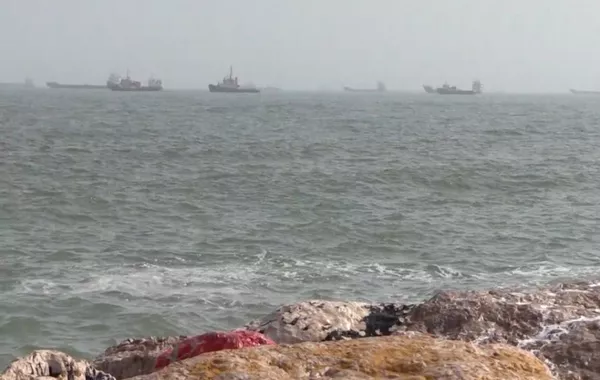
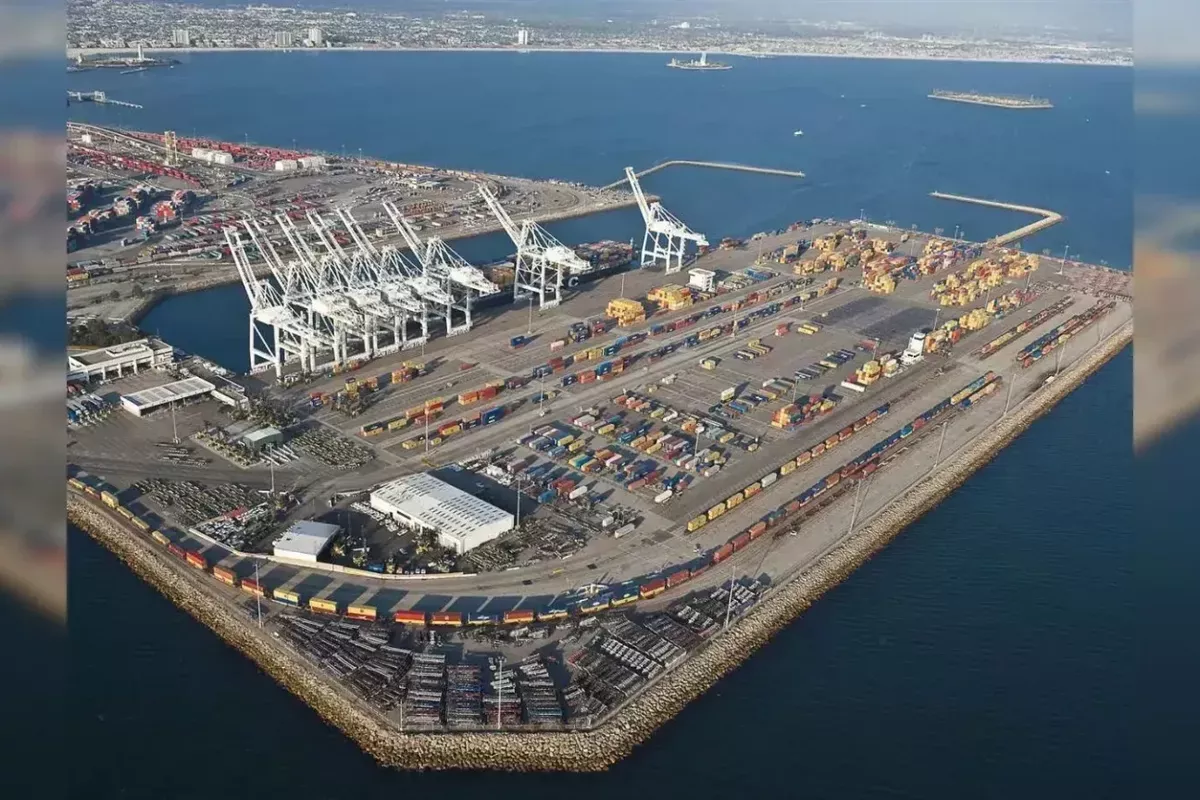
Chabahar Port, located on Iran’s southeastern coast along the Gulf of Oman, has long been viewed by India as a critical gateway to Afghanistan, Central Asia, and beyond, allowing Indian trade to bypass Pakistan and reduce dependence on traditional maritime routes.
Why Chabahar Matters
For more than a decade, India has positioned Chabahar as a cornerstone of its westward connectivity strategy. The port is also linked to broader ambitions to connect with the International North-South Transport Corridor (INSTC), which aims to shorten cargo transit times between South Asia, the Middle East, Russia, and Europe.
Until recently, India had been allocating around $10 million annually for port-related development and operational activities. However, the absence of funding in the latest budget suggests New Delhi is adopting a more cautious posture.
Sanctions Uncertainty in the Background
Although Washington has previously granted India temporary waivers to support limited engagement with Chabahar, recognizing its role in facilitating humanitarian supplies to Afghanistan, these exemptions are time-bound and subject to renewal.
With U.S.-Iran tensions remaining high, Indian policymakers appear reluctant to expand financial exposure to a project that could trigger diplomatic or economic consequences.
Regional Implications
The funding freeze raises questions about the pace of Chabahar’s expansion and the future of India’s role in the port. It may also open space for other regional players, including China, to increase their footprint in Iranian maritime infrastructure.
For Iran, the setback complicates efforts to position Chabahar as a major transit hub connecting South Asia, the Middle East, and Eurasia. For India, it reflects the difficult balance between strategic autonomy, regional ambitions, and the realities of global sanctions regimes.
Share on social media