Iran, Brazil to Boost Trade with New Committees.
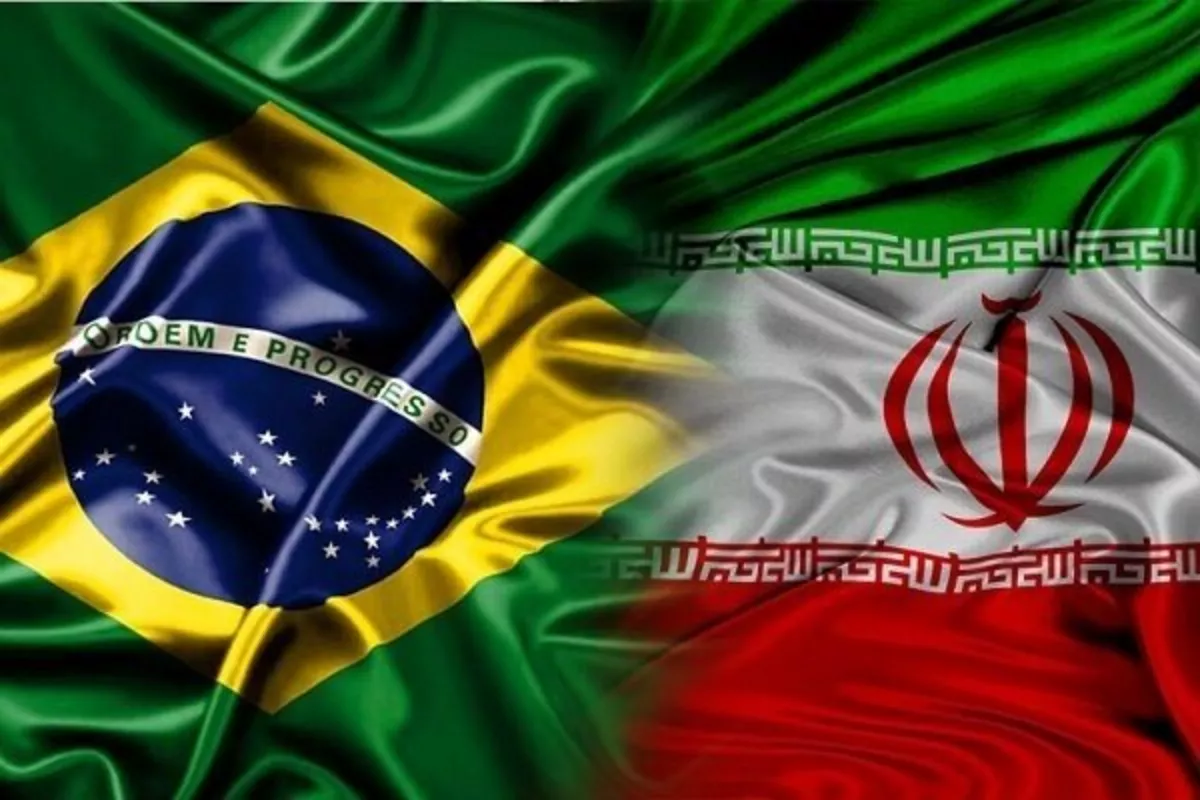
Efforts to boost trade and investment between Iran and Brazil are gaining pace, with the head of the Iran-Brazil Joint Chamber of Commerce urging the activation of specialized committees to tackle technical and operational issues.
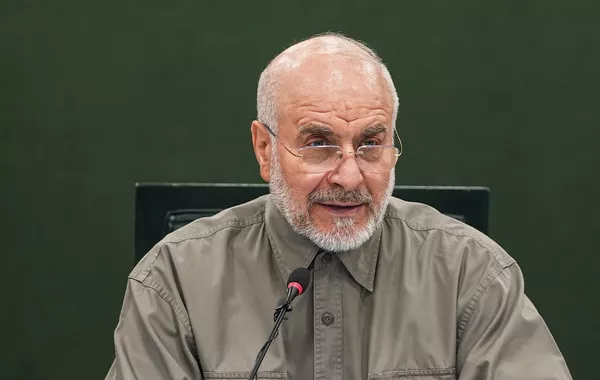
At a recent meeting held at Iran’s Chamber of Commerce, Fakhruddin Ameryaān, president of the Iran-Brazil Joint Chamber, met with former Iranian Ambassador to Brazil Hossein Ghorabi and a representative from the Planning and Budget Organization to discuss ways to enhance bilateral relations and optimize the Iran-Brazil Joint Commission, The Caspian Post reports, citing Iranian media.
Ameryan emphasized that the establishment of active specialized committees, including those focused on agriculture, transportation, banking, and currency, could allow technical and operational issues to be resolved at the expert level, reducing the need for high-level governmental intervention. “If challenges are addressed efficiently within these committees, there may be no necessity to wait for full commission sessions or changes in government to advance bilateral cooperation,” he stated.
Highlighting the historical significance of trade ties, Ameryan pointed out that during Ambassador Ghorabi’s tenure, trade between Iran and Brazil reached approximately $1.3 billion. Despite regional and international fluctuations, trade has maintained a substantial role, with Brazil proving especially supportive during periods of international sanctions, providing key logistical assistance through ports and maritime transport for Iranian goods.
One of the most promising avenues for bilateral cooperation, Ameryan said, is overseas cultivation. Proposals in Brazil have offered up to one million hectares of land to Iranian investors, with 15-20% of investment capital provided by the Iranian side and the remainder financed through long-term loans spanning 15-20 years with interest rates of 5-6%. High productivity levels, combined with Brazil’s favorable climate and rainfall patterns, allow multiple harvests annually-up to five crops in two years for products such as corn or rice in some regions-making these projects economically viable and attractive for investors.
Despite these opportunities, currency restrictions and Central Bank regulations present significant challenges. Iranian investors face strict limitations when transferring capital abroad or using export revenues for overseas investments. Ameryan stressed that revising these regulations could unlock substantial investment potential and facilitate broader engagement in foreign agricultural projects.
Another persistent issue is the repatriation of export earnings. Exporters, including those of carpets and other goods, are obligated to return foreign currency within three months, a process often delayed by banking and trade procedures. These delays can prevent exporters from accessing foreign exchange allocations on time, limiting their ability to reinvest or expand operations, and further complicating trade with Brazil.
Former Ambassador Hossein Ghorabi highlighted Brazil’s continued importance as a strategic trading partner for Iran. He noted that Brazil currently accounts for approximately 7-8% of Iran’s total foreign trade, equivalent to nearly $8 billion of Iran’s $50 billion total foreign trade. He emphasized that activating specialized committees under the Iran-Brazil Joint Commission, particularly in agriculture, could facilitate tangible progress without waiting for full commission-level sessions.
Ghorabi further highlighted the unique governance structure in Brazil, where agricultural execution is largely managed at the state rather than the federal level. This decentralization necessitates engagement with state authorities and governors, who hold substantial executive powers, for the successful implementation of projects. As a result, interactions solely with the central government are insufficient to advance agricultural initiatives effectively.
In terms of export opportunities, petrochemical products remain a key sector. Currently, Iran exports approximately 1.8 million tons of petrochemicals to Brazil annually, although Brazil has the capacity to absorb nearly three million tons. Despite the growth potential, exports have largely stagnated in recent years. Ghorabi suggested that negotiating preferential or tariff agreements with Brazil could improve Iran’s market share and competitiveness. He cited China’s experience, where trade with Brazil increased from $3 billion to $170 billion over 25 years, as a model for potential expansion.
The meeting also reviewed the structure of the Iran-Brazil Joint Commission, which includes five main working groups: trade, industry and mining, finance and insurance, energy (including water, electricity, oil, gas, and petrochemicals), agriculture, and technology and education. These committees focus on practical objectives, such as improving air and maritime transportation, facilitating barter and oil-to-chemical exchanges, promoting overseas cultivation, and ensuring access to key agricultural inputs. The Planning and Budget Organization stressed the importance of increasing private-sector participation in these efforts, with government institutions taking on a supportive rather than directive role.
Alireza Pirouzan, head of the Americas Department at Iran’s Chamber of Commerce, noted the limitations of relying on international platforms such as BRICS, describing it as an alliance rather than a fully coordinated organization. Recent disagreements between Russia and South Africa, he said, illustrate the instability of expectations in such frameworks, underscoring the need for strong bilateral mechanisms to manage trade and investment efficiently.
Overall, the meeting emphasized that overcoming internal regulatory, banking, and currency barriers is crucial to unlocking the full potential of Iran-Brazil trade. Activating specialized committees and promoting state-level collaboration in Brazil could enable both nations to expand trade volumes, improve investment opportunities, and create a more sustainable framework for long-term economic cooperation.