Iran Considers Sweeping Restrictions on Hormuz Shipping
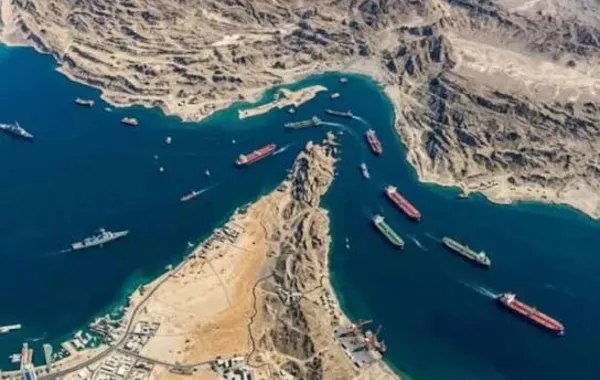
Iran’s parliament is examining a draft bill that would substantially expand state control over navigation in the Strait of Hormuz and the Persian Gulf, including a ban on vessels connected to the United States, Israel and other countries Tehran designates as hostile.
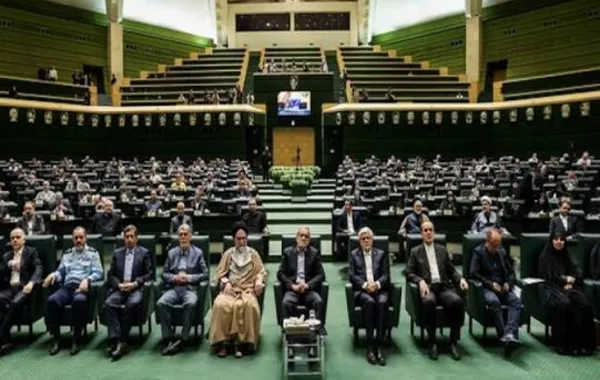
Abbas Salimi, a member of parliament’s presiding board, said that the preliminary version of the “Strategic Action for the Security and Sustainable Development of the Strait of Hormuz and the Persian Gulf” bill is currently being reviewed by parliament’s National Security and Foreign Policy Committee, The Caspian Post reports, citing Anadolu Agency.
According to the draft, vessels belonging to the United States, Israel and other countries considered hostile by Iran would be prohibited from passing through the Strait of Hormuz.
The proposed legislation would also block the transit of military and civilian cargo linked to Israel, as well as vessels or shipments that are considered to have supported operations against what Iran refers to as the “Axis of Resistance.”
The draft states that countries and individuals held responsible for causing damage to Iran would not be allowed to transit through the Strait of Hormuz and the Persian Gulf until compensation has been provided.
The bill also includes strict penalties for violations, including fines of up to 20% of the value of a vessel’s cargo.
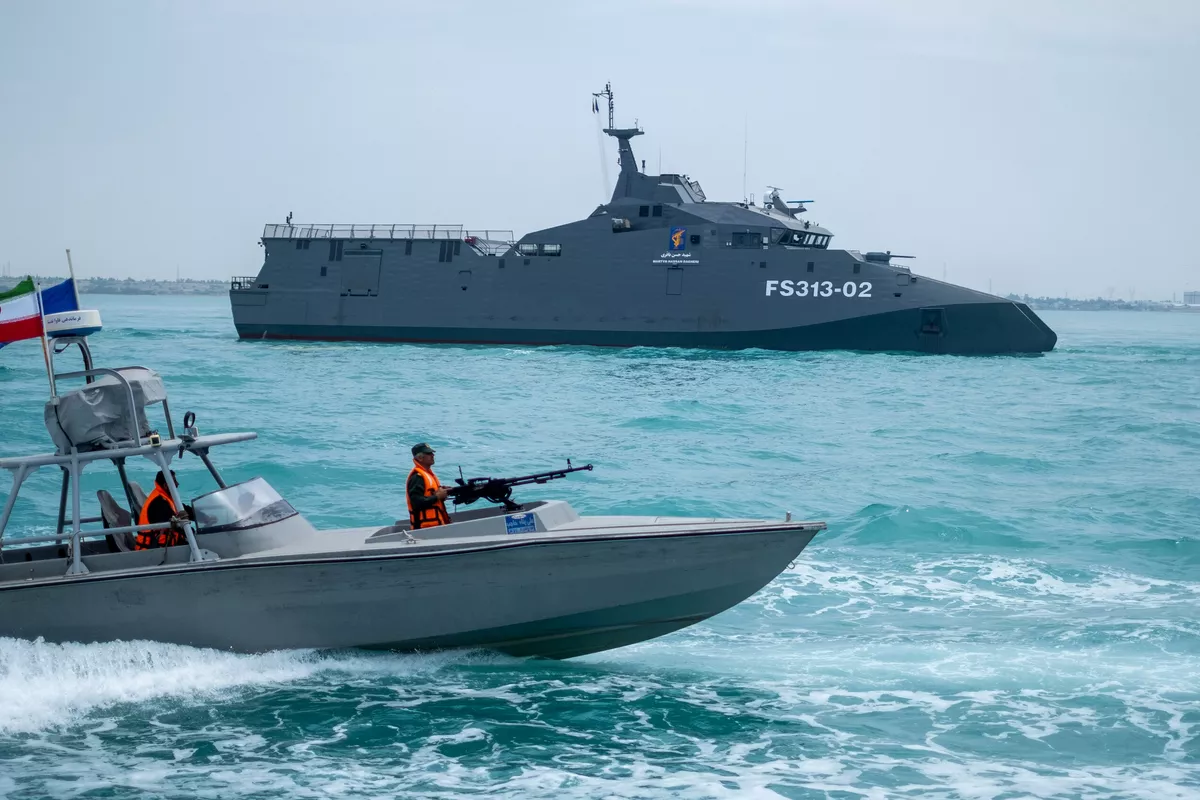
Under the proposal, the government would be required to coordinate with the armed forces to supervise navigation, track vessel movements, and ensure security and environmental protection in the Persian Gulf.
Salimi said the bill is still undergoing expert review, adding that parliament has invited specialists to provide recommendations before the final version of the text is prepared, Tasnim reported.
The draft comes amid increased tensions surrounding navigation through the Strait of Hormuz after months of regional confrontation involving Iran, the United States and Israel. During this period, Iranian officials repeatedly warned that maritime traffic through the strategic waterway could be restricted if Tehran’s security interests were threatened.
The proposal also emerges as Tehran and Muscat continue discussions on a new framework for managing navigation through the strait. The talks followed an Iran-US memorandum of understanding reached in June aimed at ending the conflict, under which Iran and Oman were assigned the task of negotiating new arrangements for maritime traffic through the strategic waterway.
Earlier Thursday, Tasnim cited an informed Iranian Foreign Ministry source as saying that the proposed framework would initially maintain the current northern and southern shipping lanes before gradually replacing them with a centrally managed corridor.
According to the report, inbound vessel traffic would be managed by Iran, while outbound traffic would be jointly overseen by Iran and Oman after the transition period. Ships passing through the strait would pay fees for maritime services, including insurance, bunkering and environmental protection, rather than paying transit charges based on cargo value.
The source also rejected reports claiming that Tehran and Muscat were divided over proposed fees of 7% or 3% of a vessel’s cargo value, saying that charges would instead be determined by the range of maritime services provided.