Iran Scales Up Wind and Solar Capacity Rapidly
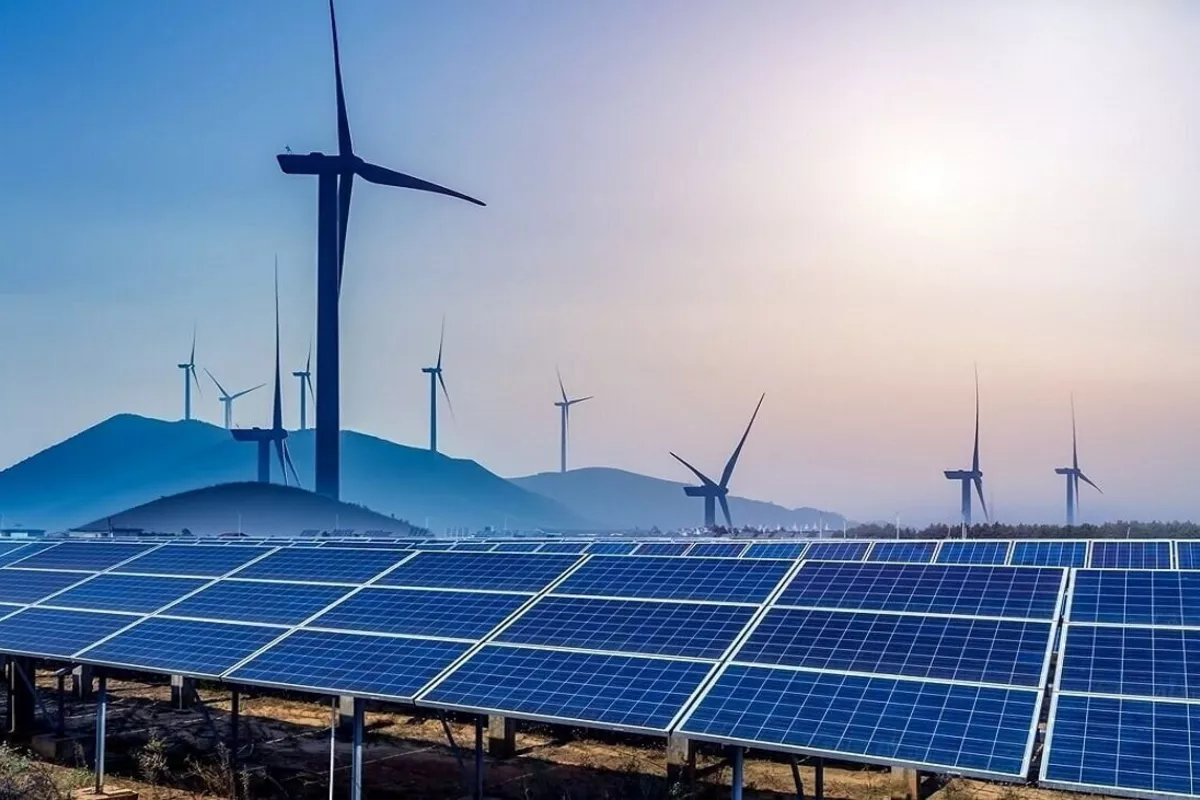
Iran has boosted its installed renewable and clean electricity generation capacity by 157 percent over the past 18 months, signaling continued growth in wind and solar projects and a larger role for clean energy in the national power grid.
According to figures released by the Renewable Energy and Energy Efficiency Organization (SATBA), installed capacity reached 3,165 megawatts by late November 2025, compared with 1,230 megawatts at the beginning of the fourteenth administration, The Caspian Post reports, citing Iranian media.
Markazi province ranked first nationwide with 459.01 megawatts of renewable capacity. It was followed by Isfahan with 394.94 megawatts and Yazd with 325.85 megawatts. Provinces including Kerman, Qazvin, Razavi Khorasan and Semnan also accounted for notable shares, reflecting suitable infrastructure, favorable climate conditions and growing investor participation, SATBA said.
In wind power development, Qazvin emerged as the country’s leading province, with 164.38 megawatts of installed capacity, making it Iran’s main center for wind-generated electricity. East Azerbaijan ranked second with 52.65 megawatts, while Razavi Khorasan followed with 51.30 megawatts, highlighting the concentration of wind projects in high-wind areas.
SATBA noted that the geographic distribution of renewable energy facilities is gradually expanding, with more provinces entering the sector. Wind energy, along with other renewable technologies, is increasingly contributing to the diversification of Iran’s energy mix and strengthening grid stability.
Nationwide, more than 600 renewable energy project sites are currently under development and are expected to come online by late September 2026. In November 2025, the average price of green electricity traded on Iran’s energy exchange reached 51,518 rials per kilowatt hour.
Policy measures introduced this year include proposals for rial-based loans to support the construction of 50- to 1,000-kilowatt solar plants, the completion of mechanisms for transferring renewable equipment purchased with National Development Fund resources, and new regulations allowing industrial, mining and agricultural units to build renewable plants at the distribution level.
Additional initiatives involve equipping 10 technical and vocational training centers to strengthen renewable energy education, as well as preliminary discussions on supplying renewable equipment through the commodities exchange.
SATBA said the additional renewable capacity has so far helped save an estimated 29 billion liters of water and 30 billion cubic meters of fuel, while preventing approximately 65 million tons of carbon dioxide emissions.