Key Events From the Opening Day of Operation Rising Lion
The first day of Operation Rising Lion marked one of the most dramatic escalations in the Middle East in recent years, as coordinated strikes and rapid retaliation reshaped the regional security landscape within hours.
Although official details remain limited, multiple military and diplomatic sources confirm that the operation began with a wave of precision airstrikes targeting strategic facilities inside Iran. The strikes were reportedly carried out with the backing of the United States and were aimed at degrading military infrastructure, missile capabilities, and key command centers.
The opening strike
According to initial reports, the operation began before dawn, with several explosions reported in and around Tehran. Iranian state media acknowledged damage to infrastructure in central districts of the capital, while footage circulating online showed smoke rising above residential areas.
The focus of the initial strikes appears to have been military-industrial facilities and security installations. Analysts suggest that the objective was to weaken Iran’s ability to project force across the region and to disrupt its missile and drone programs.
Shortly after the strikes, Iran’s leadership issued statements condemning what it described as a “joint American-Israeli act of aggression,” promising a firm response.
Iran’s retaliation
Within hours, Tehran launched a series of missile and drone attacks targeting U.S. military facilities and allied assets across the Gulf.
Explosions were reported in parts of Saudi Arabia and Qatar, while air defense systems were activated in multiple countries. Authorities in Qatar confirmed that dozens of projectiles entered their airspace, with several intercepted by Patriot systems.
In Kuwait, reports indicated that a U.S. naval facility was targeted by ballistic missiles and drones. Meanwhile, residents in Dubai described loud blasts and falling debris believed to be fragments of intercepted missiles. Families in high-rise buildings were advised to move to lower floors and underground parking areas as a precaution.
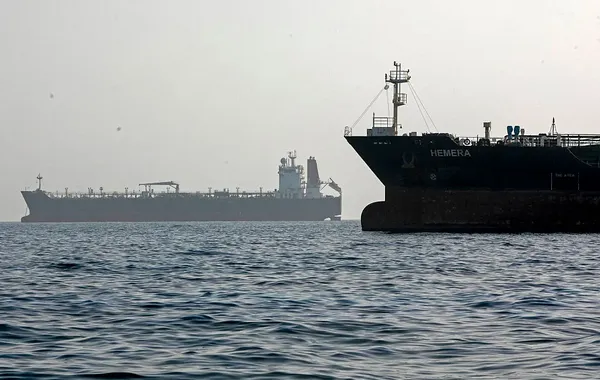
The ripple effects extended beyond direct military targets. Civil aviation routes were disrupted, and shipping companies began reassessing transit through the Strait of Hormuz amid fears of broader escalation.
Strategic messaging
On the political front, President Donald Trump defended the strikes, stating that the operation was intended to neutralize imminent threats and restore deterrence. He accused Tehran of decades of destabilizing activities in the region and warned that further escalation would be met with an even stronger response.
Iran’s Islamic Revolutionary Guard Corps (IRGC) announced the launch of subsequent waves of what it called “Operation True Promise 4,” claiming to have struck military targets linked to the United States and Israel.
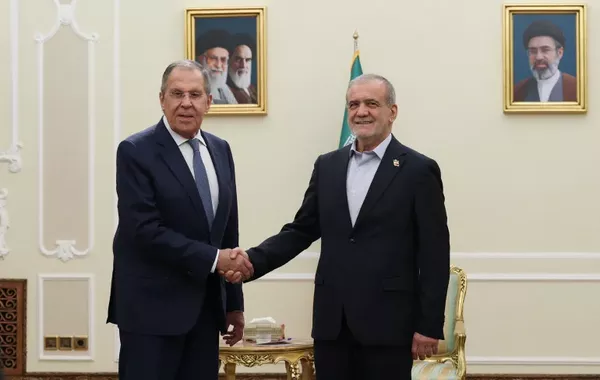
At the same time, diplomatic channels appeared strained but not entirely closed. Regional mediators signaled efforts to prevent a full-scale war, even as both sides reinforced their military posture.
The broader implications
The first day of Operation Rising Lion demonstrated how quickly a localized strike can evolve into a multi-country crisis. Gulf monarchies-long striving to maintain stability and economic neutrality-found themselves directly exposed due to the presence of U.S. military infrastructure on their soil.
Energy markets reacted immediately. Oil prices surged amid concerns over potential disruption in the Strait of Hormuz, a vital artery for global energy supplies. Investors reassessed geopolitical risk, and global markets showed signs of volatility.
What began as a targeted military action rapidly transformed into a regional confrontation with global consequences. Whether Operation Rising Lion remains limited or escalates further will depend on the next moves made in Washington, Tehran, and Jerusalem.
For now, the first day has already reshaped the strategic equation across the Middle East.