Oil Prices Steady as Iran, Oman Near Strait of Hormuz Agreement
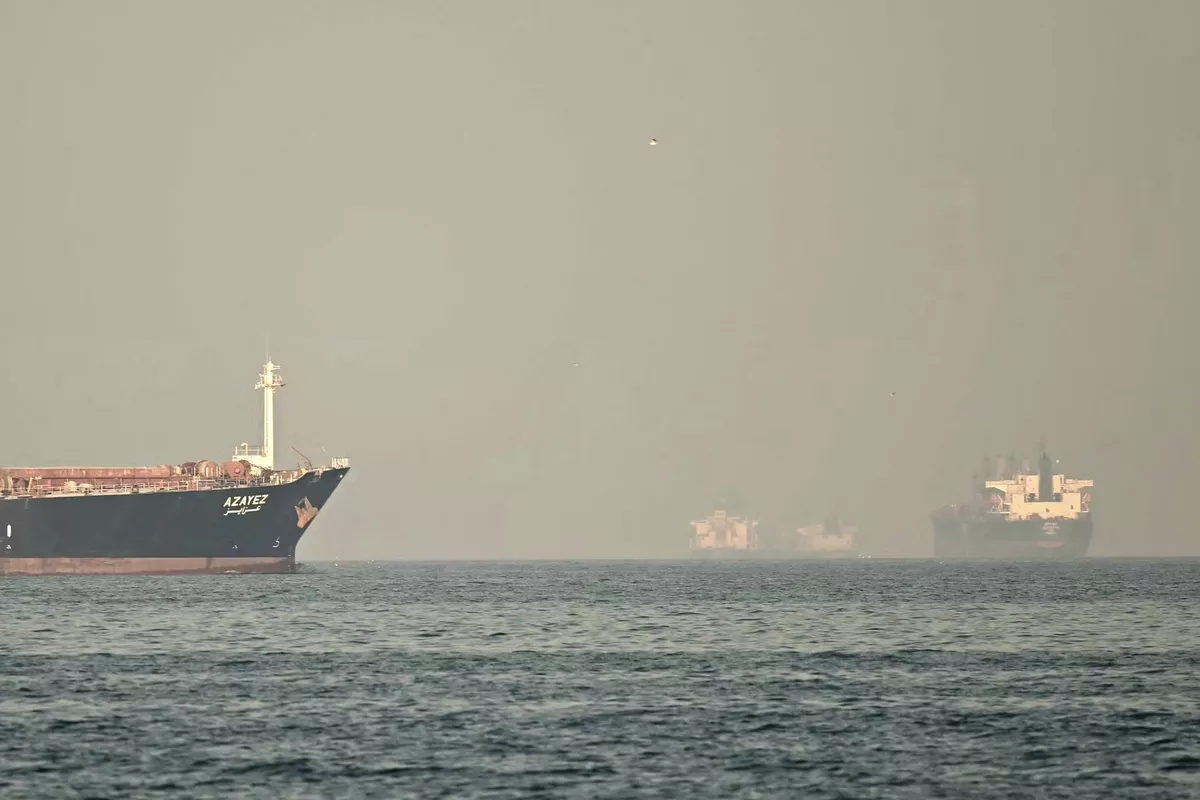
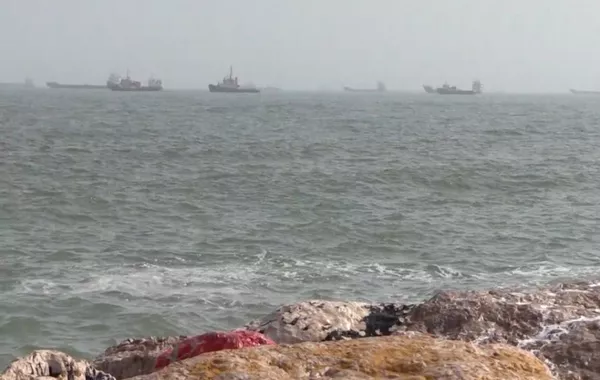
Oil prices remained firm on Thursday after Iran and Oman announced they were nearing an agreement to allow shipping through the Strait of Hormuz following prolonged negotiations that excluded the United States.
Iran's Foreign Ministry said on Wednesday that a joint Iran-Oman statement on a proposed shipping route through the key waterway is in the final drafting stage. The development would be critical to energy transit, after a previous ceasefire deal with the US signed in June fell through amid renewed strikes, bringing new uncertainty over shipping flows, Upstream reported.
Iranian news agency IRNA reported the two sides have reached a broad agreement on inbound and outbound shipping routes after more than three weeks of negotiation, which are understood to have excluded the US.
A framework agreement on this would allow inward and outward journeys through a shipping route through the strait in Iranian waters.
Local reports suggest both Iran and Oman are also discussing a transit fee structure.
The option, requesting transiting vessels for paying a fee for each transit, violates international maritime law and charges of this kind are considered illegal by the International Maritime Organization.
Nevertheless, the ongoing conflict between the US and Iran, which started at the end of February with joint US-Israeli strikes on the Middle Eastern oil producer, have shown Iran has been able to de-facto block shipping through the strait, through a mix of attacks on ships transiting, the threat of underwater mines and the US’ inability to effectively disarm Iranian drone capacity.
At this stage in the conflict, Iran and now Oman are seeking to impose fees to ships transiting the strait the two sides control.
Market sources have commented in recent weeks that a fee-based transit may be preferable to no transit at all - the waterway handles about one-fifth of global oil and gas shipping, with critical impact for global energy markets.
Markets have been sanguine about the Oman-Iran deal, holding firm on Thursday after a few sessions of falling prices.
Both global crude benchmarks were flat during Thursday European trading hours, with Brent at $79.5 per barrel and WTI at $75.4 per barrel.
Prices have come off from recent levels of around $100 per barrel in late July - when the US resumed strikes on Iran - following a latest pause in attacks, and renewed comments from US president Donald Trump that negotiations have resumed, which Teheran denies.
Markets will remain jittery and prone to sustained volatility the longer the conflict drags on. Oil prices dropped heavily in the weeks after the first ceasefire MoU in June, before rising again during late July as that agreement collapsed.
Brent and WTI are down between about 10% and 12% over the last five sessions, while still sharply higher than pre-war levels.
Distillate and fuel prices have soared in the meantime, with refining capacity in key producers in the Gulf affected by the conflict and the disruption to shipping, while major refiners such as Russia and China have curbed their fuel exports.
Historically high refining margins have proved a boon for refiners, creating windfall earnings for supermajors in quarterly earnings.