US and Iran Set for Third Round of Nuclear Talks as US Assembles Fleet
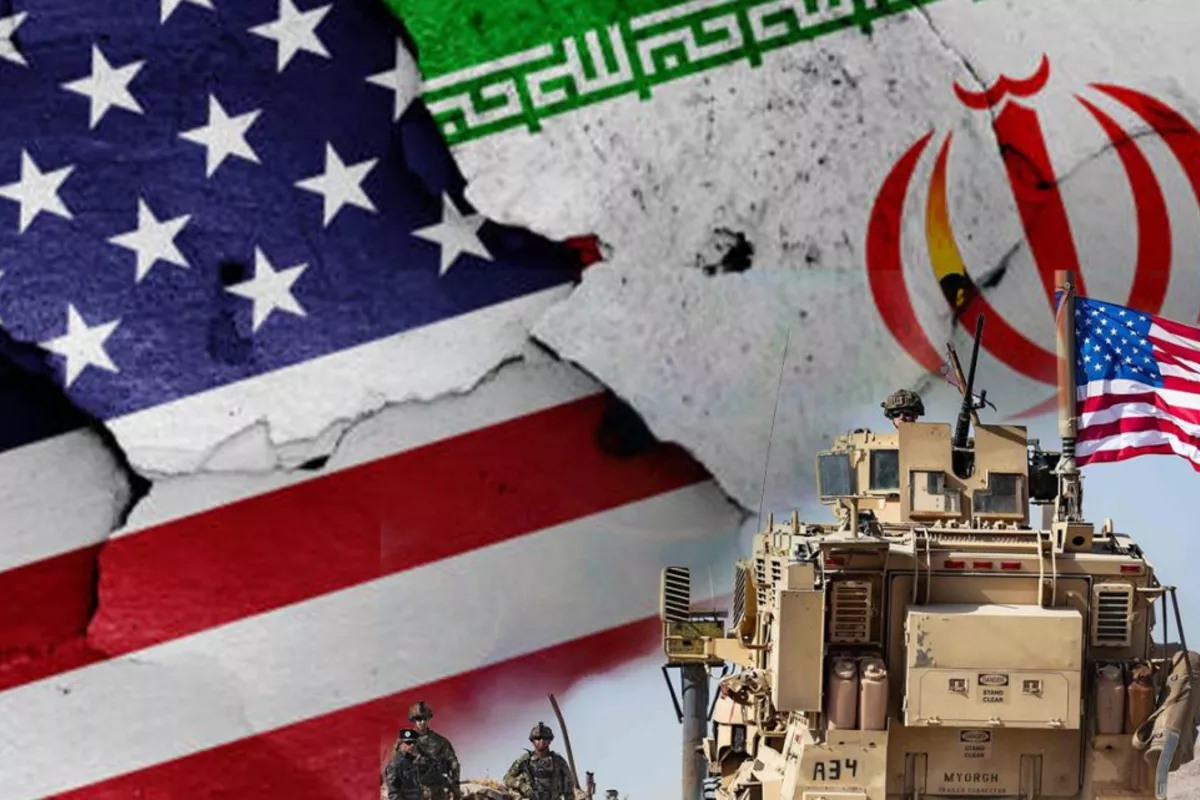
Iran and the U.S. were preparing for nuclear negotiations in Geneva, seen as a final opportunity for diplomacy, as the U.S. has deployed a fleet of aircraft and warships to the Middle East to pressure Tehran into reaching a deal.
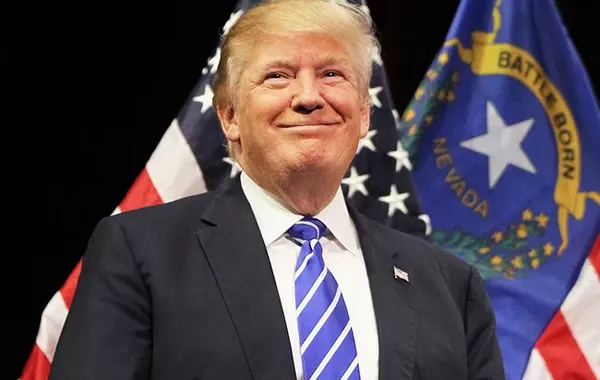
US president Donald Trump wants a deal to constrain Iran’s nuclear programme, and he sees an opportunity while the country is struggling at home with growing dissent following nationwide protests last month, The Caspian Post reports, citing foreign media.
Meanwhile, Iran has maintained it wants to continue to enrich uranium even as its programme sits in ruins after Mr Trump ordered an attack in June on three of the Islamic Republic’s nuclear sites.
If an American attack happens, Iran has said all US military bases in the Middle East would be considered legitimate targets, putting at risk tens of thousands of American service members.
Iran has also threatened to attack Israel following a bruising 12-day war last year, meaning a regional war could erupt again across the Middle East.
“There would be no victory for anybody - it would be a devastating war,” Iranian foreign minister Abbas Araghchi said before he flew to Geneva.
“Since the Americans’ bases are scattered through different places in the region, then unfortunately perhaps the whole region would be engaged and be involved, so it is a very terrible scenario.”
Mr Araghchi will again sit across from Steve Witkoff, a billionaire real estate developer and friend of Mr Trump who serves as a special Middle East envoy for the president.
The two men held multiple rounds of talks last year that collapsed after Israel launched its war against Iran in June.
These latest talks are again being mediated by Oman, a sultanate on the eastern edge of the Arabian Peninsula that has long served as an interlocutor between Iran and the West.
Mr Araghchi met Oman’s foreign minister Badr al-Busaidi after arriving in Geneva on Wednesday night.
The men “reviewed the views and proposals that the Iranian side will present to reach an agreement on the Iranian nuclear programme, based on the guiding principles agreed upon in the previous round of negotiations”, a report from the state-run Oman News Agency said.
Mr Al-Busaidi will pass on Iran’s offer to American officials on Thursday, it said.
In this round of negotiations after the war in June, Mr Trump has pushed to halt Iran’s enrichment of uranium entirely, as well as address Tehran’s ballistic missile programme and its support of regional militant forces.
Iran has maintained that the talks must remain focused on nuclear issues only.
US secretary of state Marco Rubio told reporters on Wednesday that Iran was “always trying to rebuild elements” of its nuclear programme.
He said that Tehran was not enriching uranium right now, “but they’re trying to get to the point where they ultimately can”.
Iran has said it has not enriched since June, but it has blocked inspectors from the International Atomic Energy Agency (IAEA) from visiting the sites America bombed.
Satellite photos analysed by The Associated Press has also shown activity at two of those sites, suggesting Iran is trying to assess and potentially recover material there.
The West and the IAEA say Iran had a nuclear weapons programme until 2003. Before the June attack, it had been enriching uranium up to 60% purity - a short, technical step away from weapons-grade levels of 90%.
US intelligence agencies assess that Iran has yet to restart a weapons programme, but has “undertaken activities that better position it to produce a nuclear device, if it chooses to do so”.
While insisting its programme is peaceful, Iranian officials have threatened to pursue the bomb in recent years.