US Stance on Iran Reshapes Worldwide Economic Risk Landscape
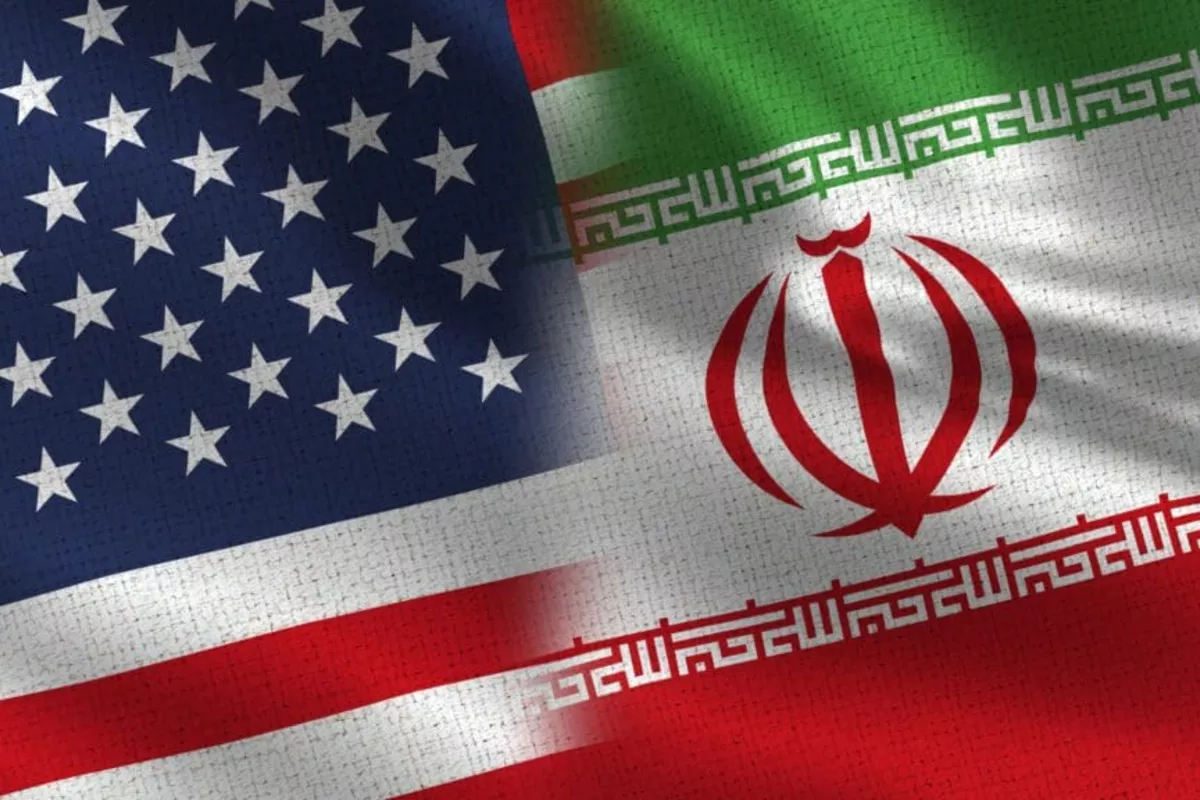
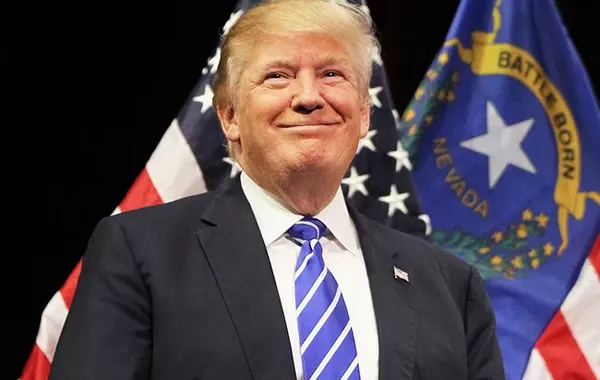
The United States' military pressure on Iran has been increasing recently, with President Donald Trump contemplating launching another significant strike against the country.
Trump is considering options including airstrikes targeting Iranian leaders and security officials, as well as attacks on Iran's nuclear facilities and government institutions, The Caspian Post reports, citing foreign media.
At the same time, US economic sanctions against Iran have intensified. In February 2025, the US Department of the Treasury announced sanctions against multiple shipping companies, intermediary firms, and vessels involved in crude oil trade with Iran. In April 2025, the Department of the Treasury simultaneously added entities based in the United Arab Emirates and India to its sanctions list and blocked nearly 30 vessels engaged in transporting Iranian oil. On January 30 local time, the Department of the Treasury announced a new round of sanctions targeting Iran.
By cutting off Iran's oil exports, freezing overseas assets, and restricting international trade, the US and other Western countries have pushed Iran's economy into deep distress. Under pressure from all sides, Iran's domestic economy is facing severe challenges, and shortages of basic livelihood goods are becoming increasingly acute. According to an interview with Foad Izadi, associate professor at the University of Tehran, conducted by Phoenix TV's Talk With World Leaders program, Iran's inflation rate rose to 52 percent in 2025. Moreover, food price inflation contributed twice as much as other goods to the overall inflation increase. Inflationary pressures have fallen primarily on lower-income and vulnerable groups, as well as the urban middle class.
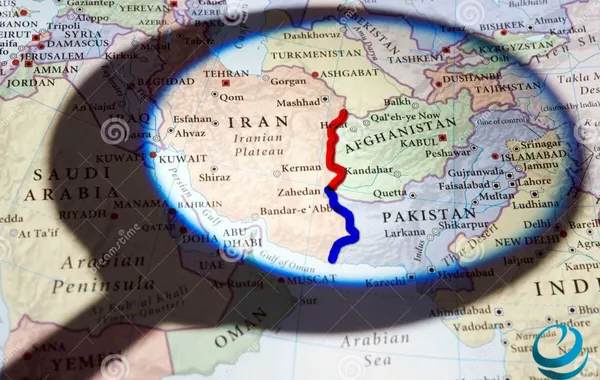
US pressure on Iran is reshaping the global economic risk landscape. Iran ranks fourth in the world and second in the Middle East with oil reserves of approximately 21.68 billion tonnes. It is a major traditional energy exporter. Under multiple constraints, including US financial blockades and military deterrence, energy trade with Iran faces steadily rising costs and risks. According to reports cited by ChineseShipping.com.cn from Cailian Press, shipping insurance costs in the Middle East have surged since the outbreak of the Iran-Israel conflict. Data from Marsh McLennan, the world's largest insurance brokerage firm, reveal that marine insurers are currently charging premiums equivalent to 0.2 percent of a vessel's value for ships sailing to the Gulf region, an increase of 60 percent compared with the pre-conflict levels. Rising oil transportation costs and higher final oil prices are expected to drive up global manufacturing costs and fuel inflation.
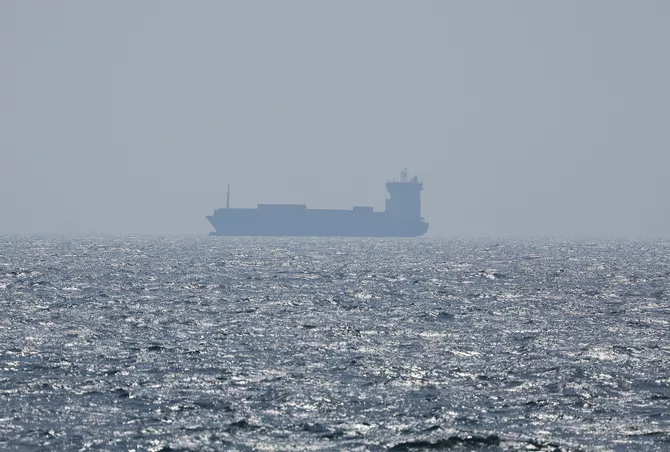
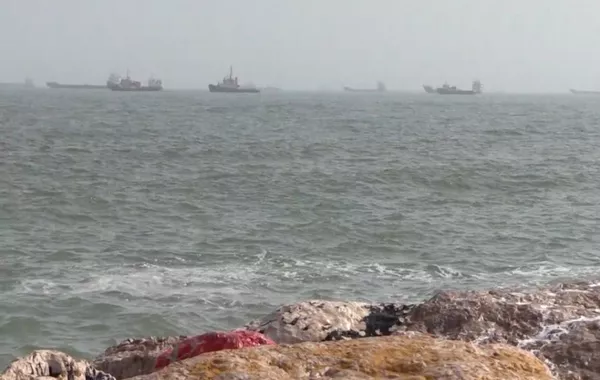
An even more serious risk lies in the potential blockage of the Strait of Hormuz, the "chokepoint" of global oil transportation. The strait handles 20 percent of global seaborne oil trade, serving as the main channel for crude oil exports from other Gulf producers such as Saudi Arabia, Iraq, Qatar, and the United Arab Emirates. Historically, the strait has repeatedly faced the threat of closure due to regional conflicts, and each such episode has triggered severe chain reactions that not only directly disrupted energy supply chains but also caused trade contraction and financial market turbulence. All these have dealt heavy blows to global production networks. According to ChinaShipping.com.cn, since the outbreak of the Iran-Israel conflict, more vessels have opted to bypass the Strait of Hormuz, leading to a decline in the number of ships transiting the waterway.
The confrontation between the US and Iran concerns not only stability and security in the Middle East, but also the future trajectory of the global supply chain. A spokesperson for China's Ministry of Foreign Affairs has pointed out that another abrupt escalation of regional tensions serves the interests of no party. All relevant parties are therefore urged to take actions conducive to regional peace and stability, and to avoid further escalation of tensions.