What to Know About Israel’s Next Phase of Strikes on Iran
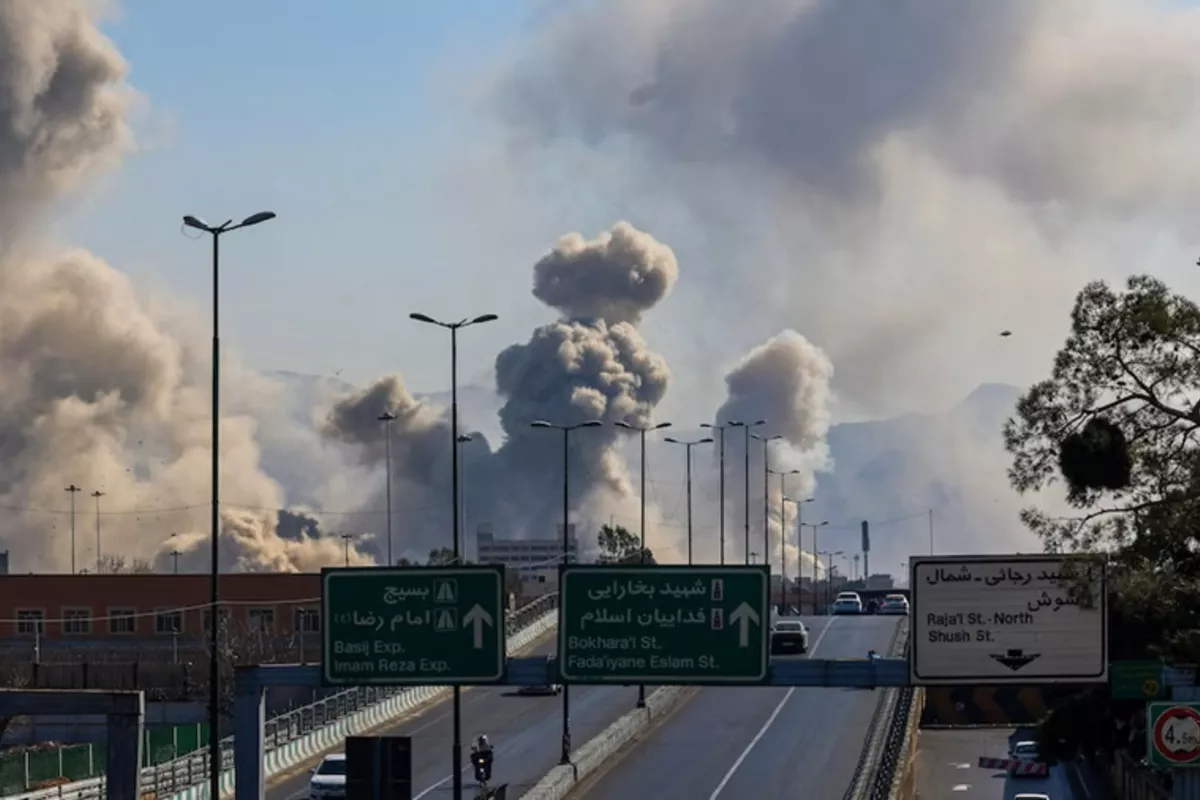
Israel’s military campaign in Iran has moved into a new phase, with operations shifting toward the destruction of ballistic missile facilities located deep underground, according to sources familiar with the situation.
The escalation follows the first stage of a joint air campaign conducted by Israel and the United States, which began with a series of strikes targeting Iranian leadership figures and strategic military infrastructure. Those initial attacks triggered a broader regional confrontation, with Iran launching retaliatory strikes toward Israel and other locations in the Gulf and Iraq, while Israeli forces carried out additional operations against targets in Lebanon, The Caspian Post reports, citing Reuters.
Israeli officials have stated that the early phase of the campaign focused largely on destroying missile launchers positioned above ground. According to these officials, hundreds of such launch systems capable of striking Israeli cities were successfully eliminated during the opening days of the offensive.
With many surface-level launchers reportedly destroyed, the focus of the operation is now shifting to more fortified targets.
Sources speaking anonymously due to the sensitivity of the military operations say the next stage involves attacks on underground bunkers believed to house ballistic missiles, launch systems, and related military equipment.
These underground facilities are considered more difficult to destroy because they are typically built deep below the surface and reinforced to withstand airstrikes. Targeting such sites requires more specialized operations and precision strikes aimed at disabling Iran’s remaining missile capabilities.
According to one source familiar with the campaign’s objectives, Israel’s broader goal is to significantly weaken or eliminate Iran’s ability to carry out aerial attacks against Israeli territory.
The ongoing operation is also aimed at damaging the command structure of the Islamic Republic’s leadership.
Military officials have not publicly detailed the next steps of the campaign.
A spokesperson for the armed forces did not immediately respond to requests for comment regarding upcoming operations. However, earlier statements from Israeli authorities indicated that Israeli and U.S. forces had managed to gain control over large portions of Iranian airspace during the first days of the offensive.
Control of the airspace is considered a key strategic advantage, allowing aircraft to operate more freely while targeting military infrastructure across the country.
As the campaign continues, attention is now centered on whether the next phase will succeed in neutralizing the remaining missile capabilities located beneath Iran’s surface.