Photo credit: Kazakh Government
Kazakhstan is gearing up for a major boost in geological exploration in 2026, with the government approving 20 second-generation geological mapping projects covering roughly 100,000 square kilometers.
Each site will span an average of 5,000 sq.km., aiming to provide detailed insights into the country’s mineral wealth, The Caspian Post reports via Kazakh media.
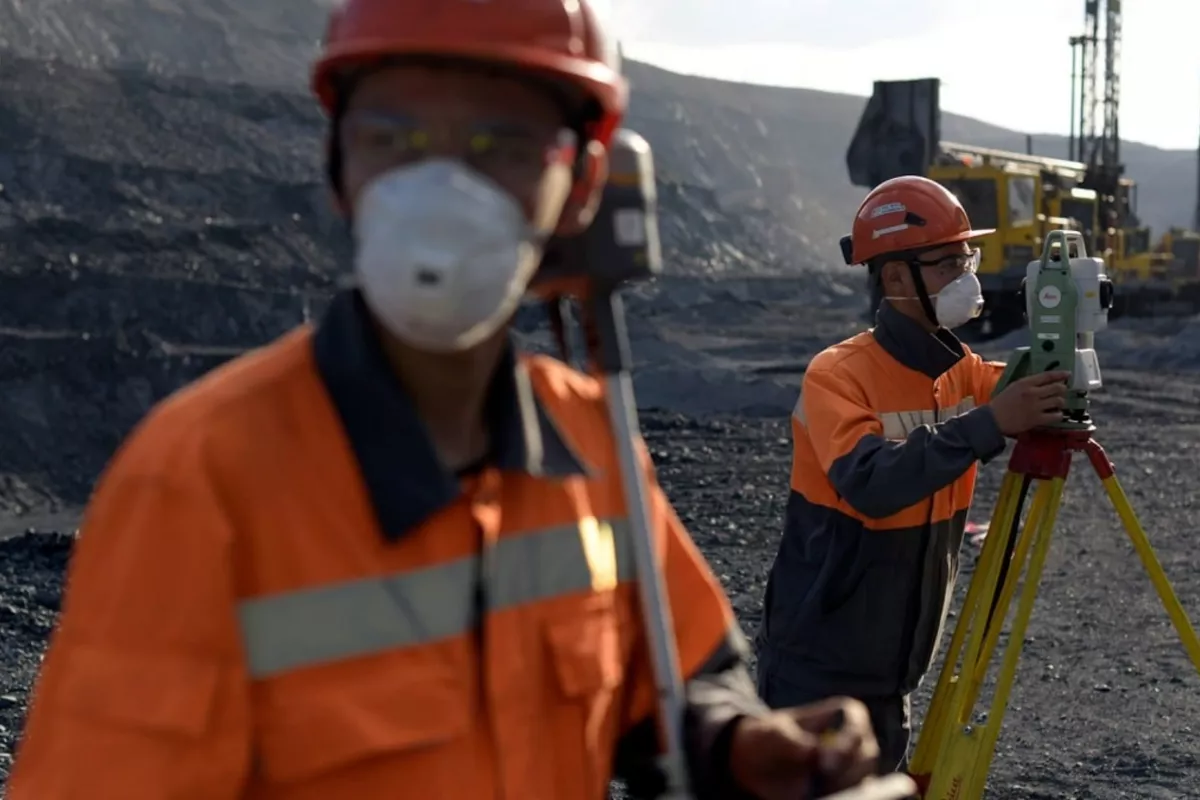
The government has allocated over 40.7 billion tenge ($81.646 million) for comprehensive geological surveys, which will use modern geophysical, geochemical, and remote sensing methods, combined with deep digital data processing. Fieldwork this year will include airborne geophysical surveys, geochemistry sampling, and drilling of pits and trenches, followed by laboratory analysis to identify promising mineral zones.
Special focus will be given to both known ore fields and newly identified prospective areas, enabling better evaluation of mineral resources and laying the groundwork for detailed exploration. The surveys will cover regions including Akmola, Aktobe, Almaty, East Kazakhstan, Karaganda, Kostanay, North Kazakhstan, Mangystau, Turkistan, Abai, and Ulytau.
In addition, six 2D seismic exploration projects are planned in the underexplored Shu-Sarysu and North Torgai sedimentary basins, where geological knowledge is currently insufficient to assess oil and gas potential. These seismic studies will help pinpoint promising sites for hydrocarbon deposits and evaluate potential volumes, supporting Kazakhstan’s strategy to efficiently use natural resources and attract investment.
All projects are scheduled for completion by late 2028, with nearly 240 billion tenge ($500 million) earmarked for state geological exploration over three years. The initiative is expected to significantly enhance the country’s geological knowledge, identify future mining opportunities, and strengthen Kazakhstan’s mineral resource base.
Share on social media