What factors are pointing to a weaker tenge in 2026?
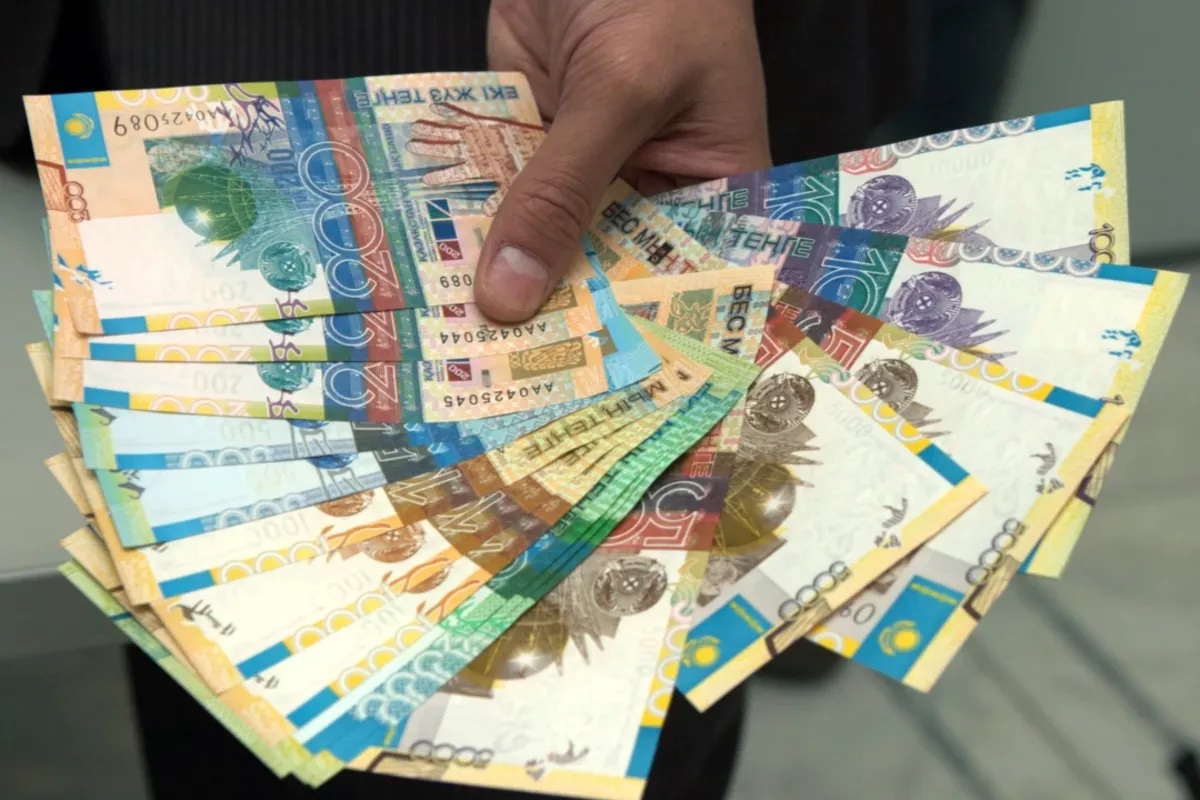
Kazakhstan’s national currency is likely to face renewed depreciation pressure toward the end of 2026, with analysts projecting an exchange rate of around 580-590 tenge per US dollar. The outlook reflects a less supportive macroeconomic environment compared with previous years, as several buffers that helped stabilize the currency are expected to fade.
Analysts at Halyk Finance suggest the tenge is entering a period of heightened vulnerability, The Caspian Post reports, citing Orda.kz.
External shocks and internal structural constraints are converging at a time when foreign-currency inflows are likely to decline and economic growth is set to slow.
Why are external and domestic risks converging on the currency?
One of the central external pressures comes from the oil market. Analysts expect global crude prices to average around $60 per barrel, a level that would reduce Kazakhstan’s export revenues and weaken the flow of hard currency into the economy. As hydrocarbons remain a cornerstone of state revenues and foreign-exchange earnings, softer oil prices typically translate into pressure on the tenge.
At the same time, transfers from the National Fund of Kazakhstan-a key source of foreign-currency supply in the domestic market-are expected to be nearly halved. This reduction would significantly limit the amount of dollars sold to support the budget and the currency, tightening conditions in the foreign-exchange market.
On the domestic front, economic momentum is forecast to cool. GDP growth is expected to slow to around 4.5% in 2026, down from an estimated 6.5% in 2025. Analysts attribute this deceleration to weaker oil-sector performance, the completion of several large infrastructure projects, and a rising tax burden on businesses. Meanwhile, real household incomes remain under pressure, restraining consumption and domestic demand.
Inflation dynamics add another layer of risk. Price growth is projected to reach 10.5-11.5% by the end of 2026, forcing policymakers to keep monetary conditions tight. While higher interest rates can help contain inflation, they also tend to dampen credit growth and retail activity-further slowing the economy.

Photo: News Central Asia
How do policy choices and market dynamics shape the outlook?
The expected policy response centers on maintaining a restrictive stance by the National Bank of Kazakhstan. A high base rate should help anchor inflation expectations, but it may also suppress consumer lending and investment, limiting near-term growth support for the currency.
Analysts contrast the outlook with developments in 2025, when the tenge strengthened to around 505.73 per dollar. That appreciation was supported by a unique set of factors: substantial foreign-exchange sales from the National Fund, gold-related transactions, and the suspension of FX purchases for the pension system. These measures boosted dollar supply and stabilized market sentiment-but they are unlikely to be repeated at the same scale in 2026.
As these supports diminish, the tenge is expected to become more sensitive to oil price swings, geopolitical developments, and investor behavior in the government bond market. Analysts warn that reduced National Fund transfers, lower FX market activity, and the risk of capital outflows from government securities could trigger depreciation pressures as early as the first quarter of 2026.
Taken together, the outlook suggests that while Kazakhstan retains policy tools to manage volatility, the currency will face a tougher external environment and fewer internal buffers in the year ahead-leaving the tenge more exposed to global and regional shocks.