Why Measles Is Spreading Again in Kazakhstan
Kazakhstan is once again confronting a rise in measles infections. According to the Ministry of Health of Kazakhstan, nearly 2,000 cases were recorded between the start of the year and February 5, representing almost half of the total registered throughout 2024.
Analysts attribute the renewed outbreak to systemic gaps in prevention and declining vaccination coverage, The Caspian Post reports, citing The Times of Central Asia.
Over the past decade, measles incidence in Kazakhstan has fluctuated significantly. In 2017, 2021, and 2022, the country reported only isolated cases and was considered close to eliminating the disease. However, the situation deteriorated sharply in 2023-2024. In 2023, reported cases surged to 29,700. The peak incidence rate occurred in 2023-2024, reaching 149.4 cases per 100,000 people. For comparison, in 2021-2022 incidence was minimal, and in 2024 it stood at 20.8 per 100,000.
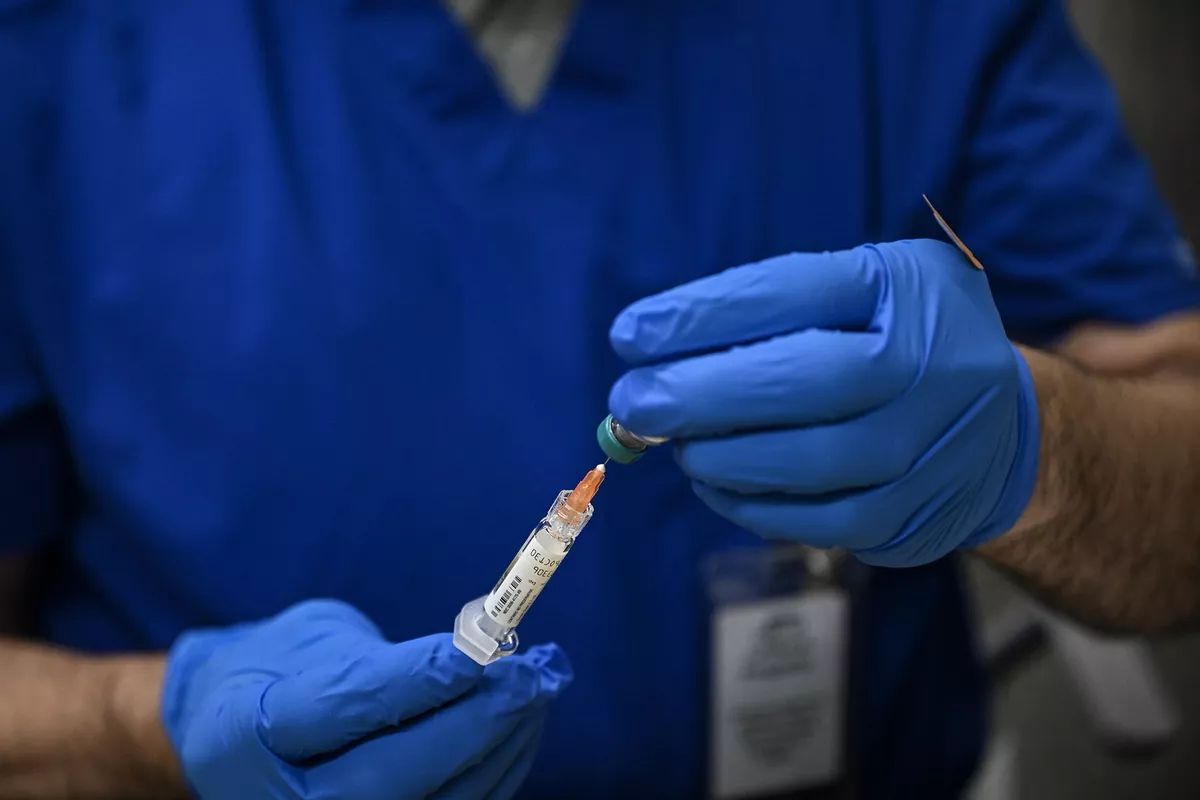
Experts cite the growing proportion of unvaccinated individuals as the primary driver of the new wave. According to official data, 79% of those infected since the beginning of the year had not received the measles, mumps, and rubella (MMR) vaccine. A further 8% were children who had received only the first dose and had not yet reached the age of six, when the second dose is administered.
More than 59% of unvaccinated individuals are children whose parents declined immunization, reportedly influenced by anti-vaccination beliefs. Health specialists warn that unvaccinated children face a significantly higher risk of severe complications and long-term immune suppression. One of the most serious complications, measles encephalitis, remains difficult to treat effectively.
At the same time, vaccination does not guarantee absolute protection. Approximately 10% of those infected had received both recommended doses. However, epidemiologists emphasize that vaccines are most effective when herd immunity is maintained at sufficiently high levels.
“People have stopped fearing infection. Our parents’ generation saw the consequences of these diseases and understood the risks. Today there is no mass mortality from such infections, and some people fear vaccines more than the diseases themselves. In fact, vaccines are safe,” said Nurshay Azimbayeva, head of the Department of Sanitary and Epidemiological Control at the Ministry of Health.
To maintain herd immunity against measles, vaccination coverage must reach at least 95%. In recent years, however, Kazakhstan has fallen short of that threshold. Among children under two years of age, first-dose coverage has declined to 92.7%. The lowest revaccination rates were recorded in 2020, during the COVID-19 pandemic, at 90.7%, and again in 2024, at 92.5%. Data for 2025 has not yet been published.
As a result, Kazakhstan is among the countries that have experienced setbacks in measles immunization coverage between 2005 and 2024. Other countries on this list include Russia, Kyrgyzstan, Belarus, Mexico, Moldova, Finland, the Netherlands, and Japan.
Globally, the long-term trend has been upward. According to data compiled by Our World in Data, average global coverage for the first dose of the measles vaccine increased from 77% to 84% over the past two decades.
Within Central Asia, Turkmenistan and Uzbekistan report first-dose coverage of 99% among one-year-olds. Belarus and Tajikistan report 98%, while Russia reports 97%. The European regional average stands at 94%.
Vaccination rates also correlate with income levels. In high-income countries, first-dose coverage averages 94%; in upper-middle-income countries, 90%; and in middle-income countries, 87%. The lowest rates are found in low-income countries, at 66%.