Will Kazakhstan Turn Migration Into Economic Advantage?
Kazakhstan is reshaping its migration policy around attracting the people its economy needs while strengthening digital oversight of migration flows.
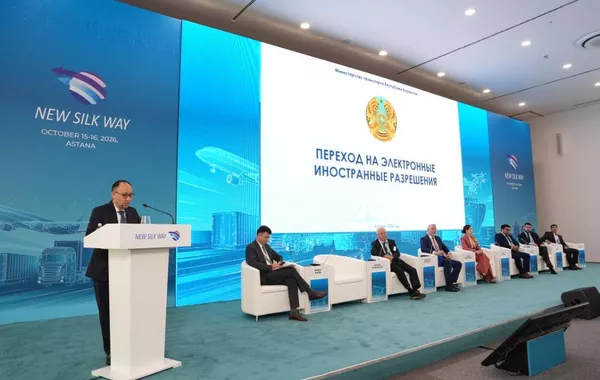
As the government advances its Migration Policy Concept through 2030 and proposes an electronic entry permit for foreign nationals that is expected to be implemented gradually between August and December 2026, officials say the objective is no longer simply regulating migration, but using it to address labor shortages, support regional development and strengthen the country’s human capital, The Astana Times reported.
From controlling migration to managing human capital The updated migration concept focuses on balancing several objectives at once: supplying the economy with qualified workers, protecting the domestic labor market and creating more favorable conditions for attracting specialists whose skills are in short supply.
Rather than relying on broad immigration measures, the government is moving toward a more selective model, which includes improving permanent residency procedures for professionals in high-demand occupations while strengthening employer responsibility for hiring foreign workers. It also introduces mentorship mechanisms aimed at ensuring international specialists transfer knowledge and expertise to Kazakh employees.
Language support has become another element of the integration framework. According to acting Chairwoman of the Migration Committee Elmira Tillabaikyzy, assessing migrants’ proficiency in the Kazakh language is intended to identify what additional assistance individuals may require rather than serving as a restrictive measure.
“The assessment of proficiency in the Kazakh language is intended to determine the support needed for successful adaptation. If necessary, appropriate assistance measures will be provided,” she wrote in the ministry’s statement.
Digital Migration Management
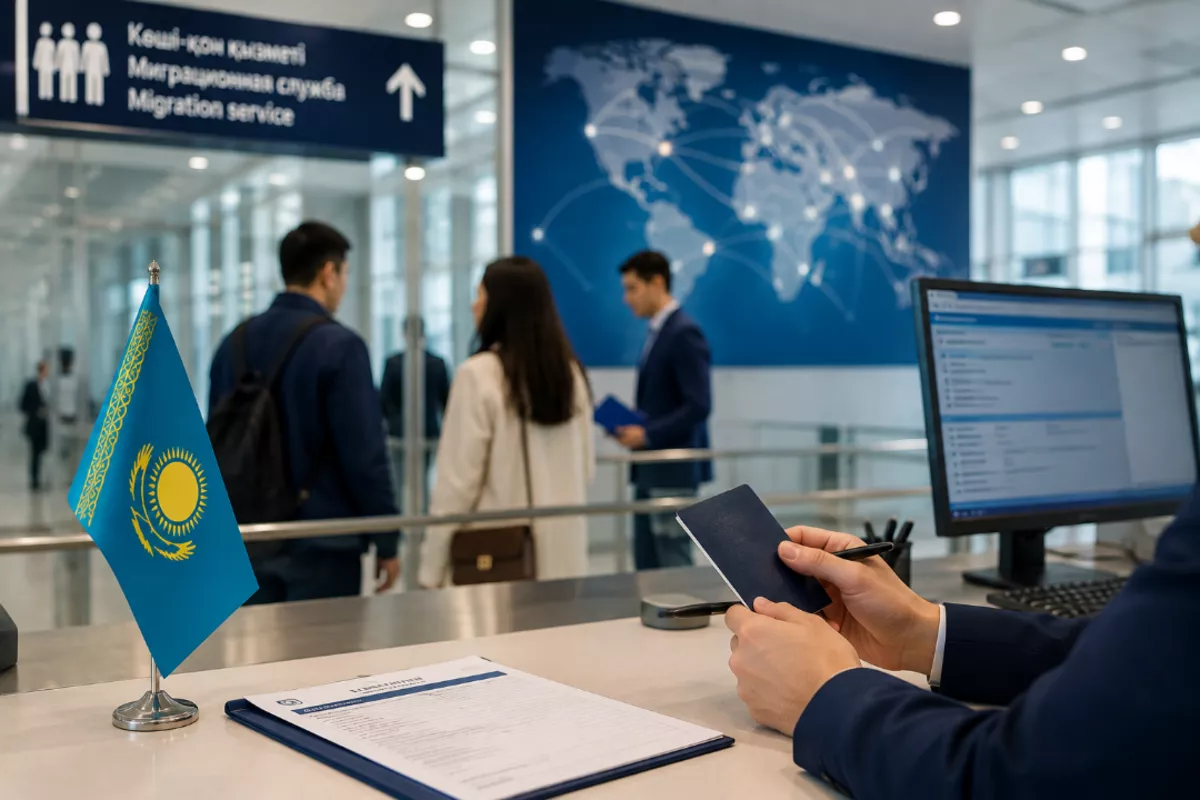
Authorities are developing a unified digital migration platform that will integrate information systems across government agencies, allowing officials to monitor migration flows more efficiently and improve access to public services.
The proposed electronic entry permit represents the next step in that process. According to the Interior Ministry, the system is designed to modernize migration control while improving transparency and simplifying administrative procedures.
Officials say introducing electronic permits will strengthen migration accounting, improve interagency coordination and support the country’s broader digital transformation agenda. A differentiated processing fee would finance technical maintenance of the platform, upgrades to digital infrastructure and protection of personal data. Implementation is expected to take place gradually between August and December 2026, allowing border infrastructure and checkpoints to adapt to the new system.
Balancing Economic Needs with Integration
Migration experts say that effective migration policy requires more than attracting workers. In an earlier interview with The Astana Times, Caress Schenk said migration policies should avoid treating migrants as fundamentally different from the societies they join.
“I think that those kinds of xenophobic tendencies or impulses are really dangerous because it is a very slippery slope to say, ‘well, we want to protect jobs for our citizens,’ to dehumanizing migrants,” Schenk said.
While acknowledging governments’ responsibility to manage migration, she argued that successful migration policy should also promote inclusion and allow migrants to participate fully in society rather than simply filling labor shortages.
Her observations highlight a broader challenge facing many countries competing for global talent: attracting skilled professionals increasingly depends not only on immigration rules but also on opportunities for long-term integration and career development.
Migration Trends
Recent migration figures suggest Kazakhstan continues to record positive net migration. According to the Bureau of National Statistics’s report on May 12, 6,197 people arrived in Kazakhstan during the first quarter of 2026, while 989 people left the country, resulting in a positive migration balance of 5,208 people.
Compared with the same period in 2025, arrivals increased by 25.9%, while departures declined by 11.9%. Migration remains concentrated within the Commonwealth of Independent States (CIS), which accounted for 71.4% of arrivals and 57.6% of departures.
Kazakhstan’s latest migration reforms indicate that the country increasingly views migration as part of its broader economic modernization strategy rather than solely as a matter of border control. These figures provide early evidence that Kazakhstan is becoming a more attractive destination within the region. The government’s latest reforms also suggest the focus is now shifting from simply managing migration flows toward determining what kind of migration best supports the country’s economic and demographic priorities.