Green Transport Initiatives Take Shape in Kyrgyzstan
As of January 1, 2026, the total number of registered vehicles in Kyrgyzstan reached 1,909,961, reflecting steady growth in car ownership across the country. According to the Ministry of Natural Resources, Ecology and Technical Supervision, this marks a 13 percent increase compared to 1,697,100 registered vehicles in 2024.
The data highlights not only the expansion of the national vehicle fleet but also gradual structural changes in fuel types and a growing interest in environmentally friendly transport solutions.
Structure of the Vehicle Fleet
The composition of registered vehicles demonstrates the continued dominance of traditional fuel types, while alternative-energy vehicles are steadily gaining ground:
-
Gasoline-powered vehicles: 972,252 (51%)
-
Diesel vehicles: 339,938 (18%)
-
Gas-powered vehicles: 57,310 (3%)
-
Gasoline/gas mixed vehicles: 56,997 (3%)
-
Hybrid vehicles: 37,295 (2%)
-
Electric vehicles (EVs): 15,278 (0.8%)
-
Other types: remaining share
While gasoline vehicles remain the majority, the gradual diversification of fuel types indicates a transition phase within the country’s transport sector.
Rapid Growth in Electric Vehicles
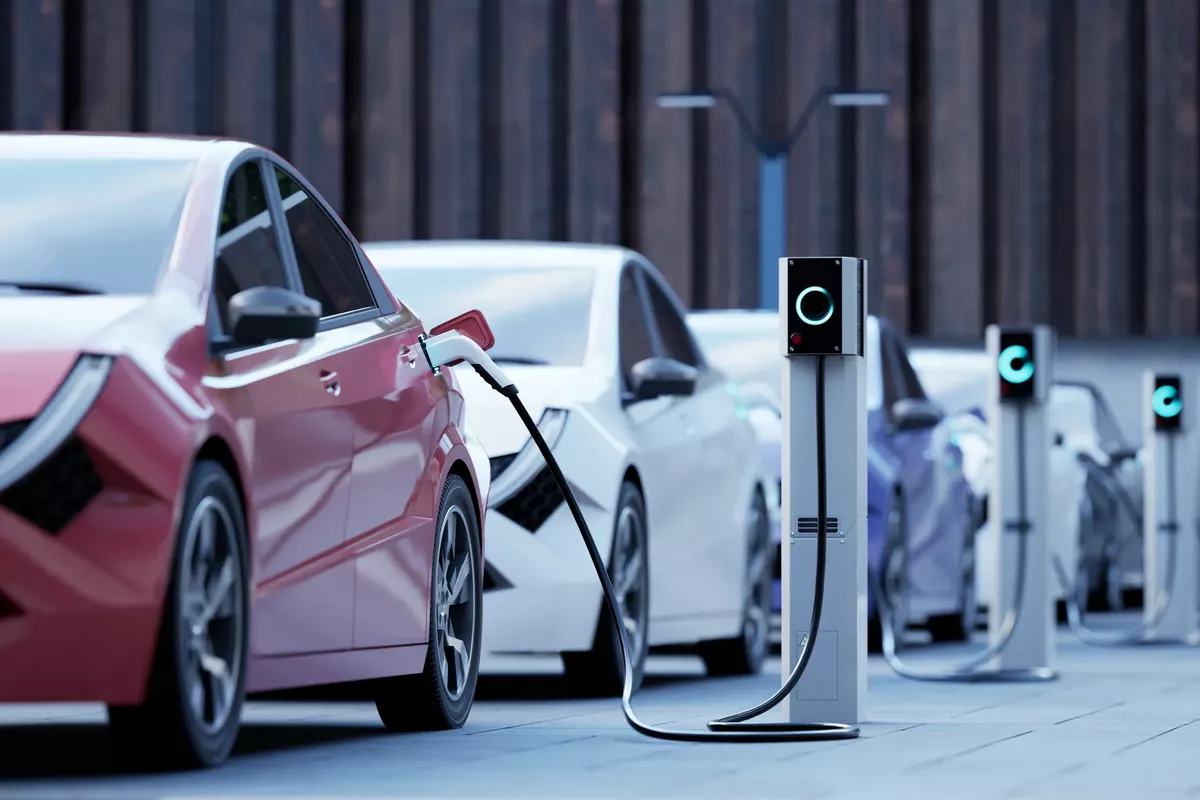
Although electric vehicles still represent less than 1 percent of the total fleet, their growth trajectory has been particularly notable over the past four years:
-
2022 - 1,113 electric vehicles
-
2023 - 2,310 electric vehicles
-
2024 - 3,122 electric vehicles
-
2025 - 9,870 electric vehicles
By 2025, the cumulative number of registered electric vehicles reached 15,278, showing an accelerating adoption rate. The significant jump in 2025 suggests increasing consumer interest, improved access to electric models, and possible supportive policy measures.
This upward trend aligns with broader regional and global shifts toward cleaner transportation technologies.
Fleet Modernization Underway
In addition to growth in overall numbers, there is also evidence of fleet renewal. The share of vehicles under five years old increased from 1.5 percent in 2024 to 4.5 percent in 2025, indicating a gradual modernization of the country’s vehicle stock.
A newer fleet typically brings:
This renewal trend may contribute to long-term environmental and economic benefits.
Green Taxi Initiative in Bishkek
Authorities are also working on expanding environmentally friendly transport initiatives. Plans are underway to launch a “green taxi” project in Bishkek in cooperation with the National Investment Fund.
Currently, stakeholders are discussing implementation mechanisms and financing models. The project aims to integrate electric or low-emission vehicles into the city’s taxi fleet, potentially serving as a pilot model for sustainable urban transport.
Toward Sustainable Urban Development
The expansion of cleaner vehicle technologies and fleet modernization represents an important step toward:
-
Improving air quality
-
Reducing greenhouse gas emissions
-
Supporting sustainable urban growth
-
Strengthening environmental protection policies
With vehicle ownership continuing to rise, the balance between mobility demand and environmental sustainability remains a key policy priority.
Authorities have indicated that work in this direction will continue systematically, signaling a long-term commitment to greener transportation solutions in Kyrgyzstan.