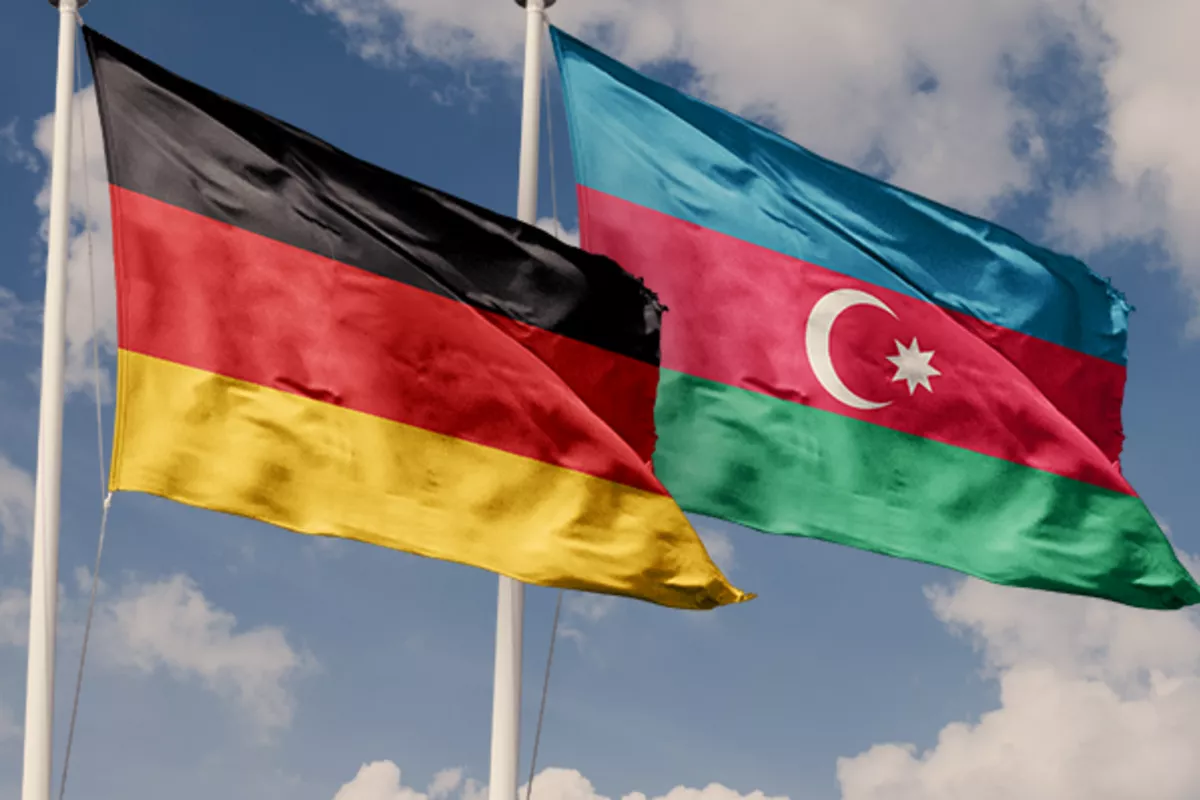
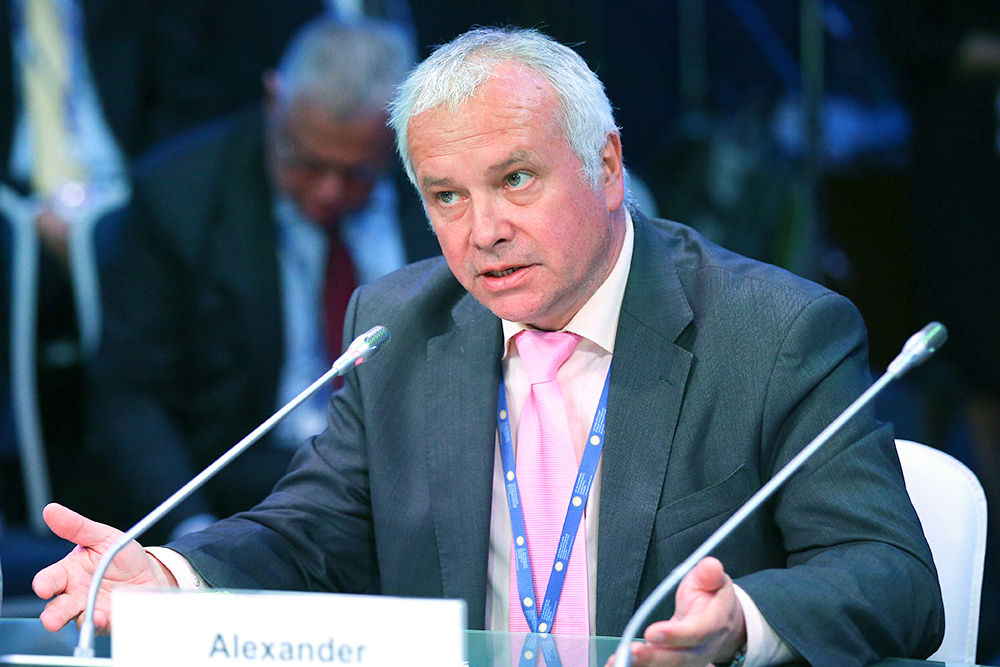
For Germany, as one of Europe’s central powers, Azerbaijan has rapidly moved from the periphery of strategic thinking to its very core. This shift is not accidental. It is driven by two interlocking imperatives: energy security and geopolitical positioning.
The first, and most urgent, is energy.
With the Strait of Hormuz effectively disrupted and the conflict surrounding Iran showing no signs of quick resolution, anxiety is rising sharply in Berlin and across the European Union. Markets are already reacting to the new reality, and policymakers are beginning to prepare for a scenario in which oil prices spike further and supply chains become increasingly unstable.
The concern is not abstract. It is immediate and practical. Europe’s energy system remains fragile after several years of turbulence, including the rupture of relations with Russia. Storage levels are under pressure, and the continent is already looking ahead to the next heating season. Gas reserves must be rebuilt, oil deliveries secured, and long-term contracts reassessed.
In other words, Europe is once again facing the specter of energy scarcity, and this time, the margin for error is minimal.
Under these conditions, Germany and the EU have little choice but to intensify their search for alternative suppliers. The room for maneuver is limited, and the list of reliable partners is short. This is precisely why Azerbaijan’s role has become so significant.
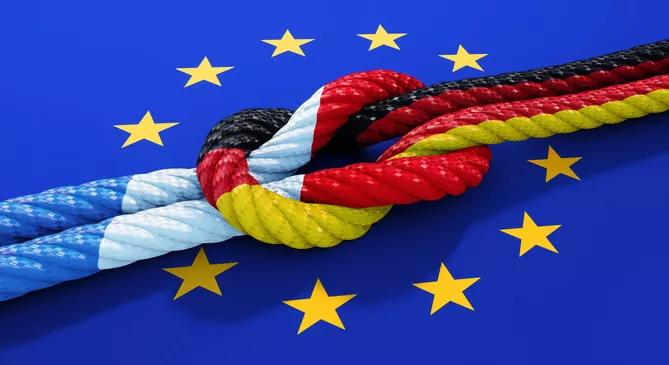
Photo credit: Reuters
Amid ongoing sanctions against Russia and Berlin’s clear intention to maintain, if not deepen, those restrictions, Azerbaijan, alongside Norway, stands out as one of the few viable sources capable of partially compensating for lost volumes. No one in Berlin is under the illusion that Azerbaijan can replace Russia entirely. That is neither realistic nor necessary. What matters is incremental stability - the ability to secure additional flows that reduce pressure on the system and provide a buffer against shocks.
Even relatively modest increases in supply can have a disproportionately large strategic impact. In today’s environment, diversification is not a slogan; it is a necessity. Every cubic meter of gas and every additional barrel of oil that arrives from a politically stable and cooperative partner strengthens Europe’s resilience.
At the same time, German policymakers are increasingly aware of another structural vulnerability: overdependence on the United States. Over the past decade, Europe has become more reliant on American energy exports, particularly liquefied natural gas. While this has helped to stabilize the market in the short term, it has also created new dependencies.
Across Europe, there is a growing recognition that energy - like finance, technology, and security - can be used as an instrument of influence. Washington’s priorities do not always align perfectly with those of its European allies, and the possibility that energy flows could be shaped by political considerations is no longer dismissed.
In this context, cooperation with Azerbaijan takes on a broader meaning. It is not simply about securing hydrocarbons. It is about restoring balance, reducing exposure to external pressure, and advancing Europe’s long-discussed goal of strategic autonomy.
Yet energy alone does not explain Azerbaijan’s rising importance.
The second pillar is geopolitical.
For Chancellor Friedrich Merz, the South Caucasus is not a distant or secondary theater. It is a region where the balance of power is still fluid, and where the outcome will have direct implications for Europe’s long-term security architecture.
The central concern in Berlin is clear: preventing the region from drifting back into Russia’s sphere of influence. Despite Moscow’s current preoccupations elsewhere, its historical presence in the South Caucasus remains a factor that cannot be ignored. Any vacuum left by Western hesitation risks being filled by familiar actors.
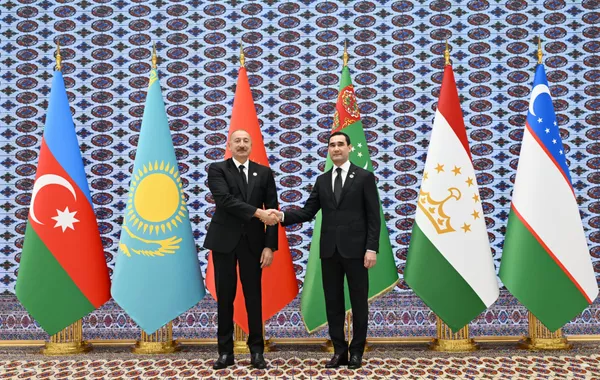
In this landscape, Azerbaijan stands out as the pivotal state. It combines economic stability with strategic geography, serving as a bridge between Europe, Central Asia, and the broader Caspian region. Its role in energy transit, infrastructure development, and regional connectivity gives it leverage that few others possess.
For Europe, strengthening ties with Baku is therefore not merely desirable - it is essential.
However, this engagement must be carefully calibrated. Brussels is fully aware that an overtly one-sided approach could have unintended consequences. Prioritizing Azerbaijan too visibly risks alienating Armenia, which could in turn push Yerevan back toward Moscow’s orbit. That would undermine the very objective the EU seeks to achieve.
This is why European strategy is built on a dual-track approach. The EU aims to deepen its partnership with Azerbaijan while simultaneously maintaining and expanding engagement with Armenia. The goal is not to choose sides, but to gradually integrate both countries into a broader European framework.
It is a delicate balancing act, and it is far from easy.
The process is complicated by historical grievances, unresolved tensions, and competing external influences. Progress is slow, and setbacks are inevitable. Yet Brussels continues to position itself as a mediator - and, more importantly, as a long-term architect of regional stability.
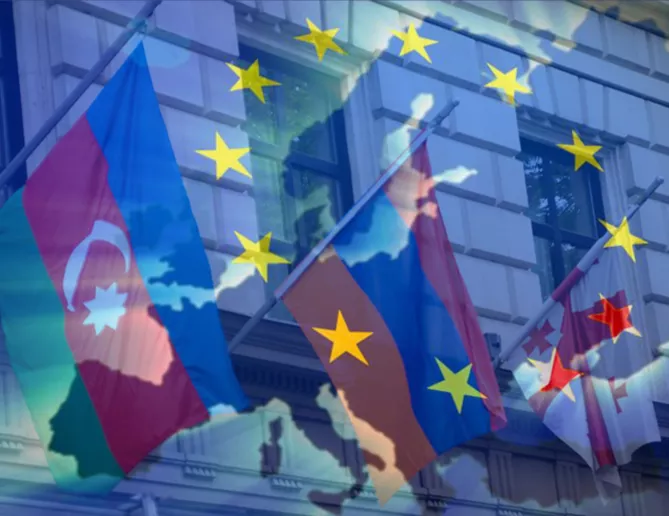
Photo credit: Reuters
In the European vision, the South Caucasus should evolve into a space of cooperation rather than confrontation. Achieving this will require sustained diplomatic effort, economic incentives, and a willingness to engage with all stakeholders, even when interests diverge.
Beyond the immediate regional dynamics, the stakes are even higher.
The EU is seeking to secure a lasting presence in the South Caucasus, to gain access to its energy and transit potential, and to reduce Russia’s influence over time. At the same time, there is a broader ambition to extend Europe’s economic and political reach further east, gradually drawing countries like Georgia more firmly into its orbit.
This is not a short-term project. It is a strategic undertaking that will unfold over years, if not decades.
And it will not succeed through rigid policies or ideological approaches. What Europe needs is flexibility - the ability to adapt to changing circumstances, to engage pragmatically, and to build trust step by step.
In this evolving landscape, Azerbaijan is no longer a peripheral partner. It is emerging as one of the key pillars of Europe’s new energy and geopolitical architecture.
For Germany in particular, the message is clear: the future of European stability will not be decided only in Brussels or Berlin. It will also be shaped in Baku.