Azerbaijan has always had, and continues to have, its own position. That position is not shaped by pressure from allies, partners, or fashionable international agendas. When the views of even close friends fail to align with the country’s national interests, Baku chooses a sovereign course. This is not stubbornness; it is political maturity.
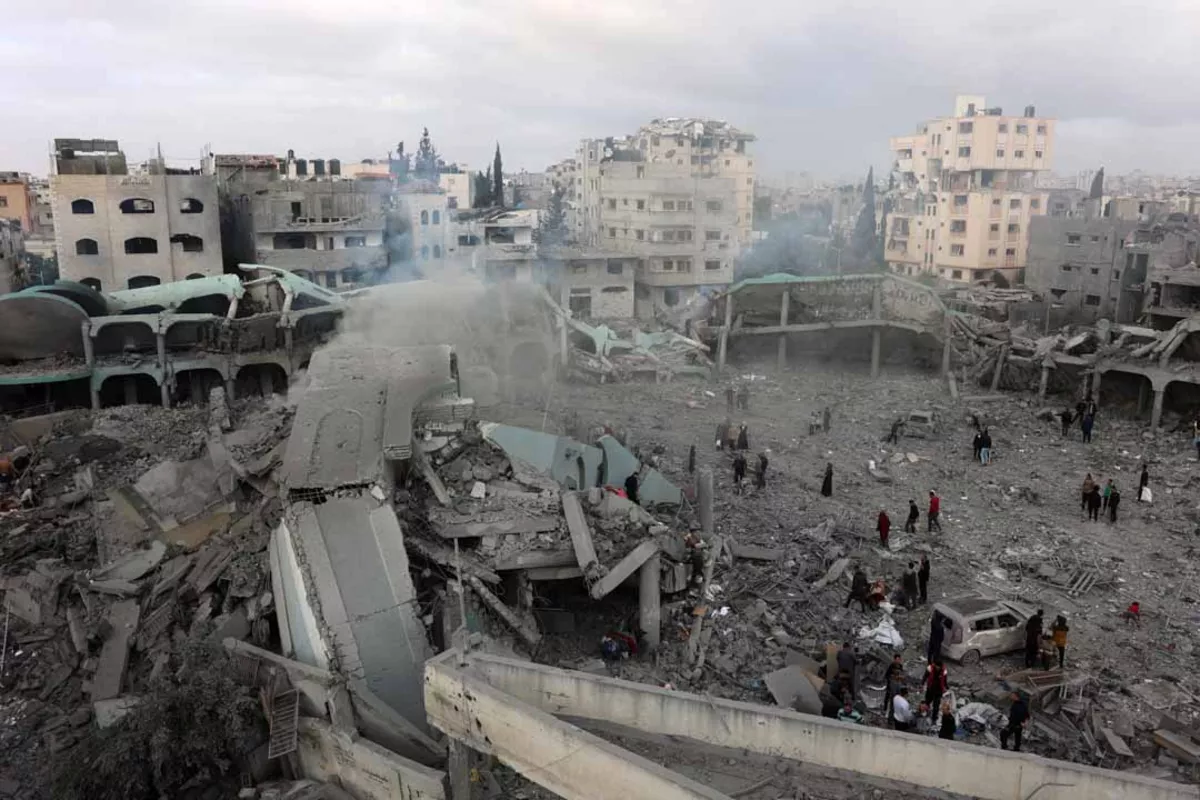
The situation surrounding Gaza clearly illustrates this approach. Before global attention shifted to Venezuela, Gaza dominated news feeds and Telegram channels almost nonstop. Along with the emotional surge came a recurring question: Why is Azerbaijan not participating? Why is Baku not rushing to demonstrate so-called solidarity? In other words, why is Azerbaijan not yielding to collective pressure?
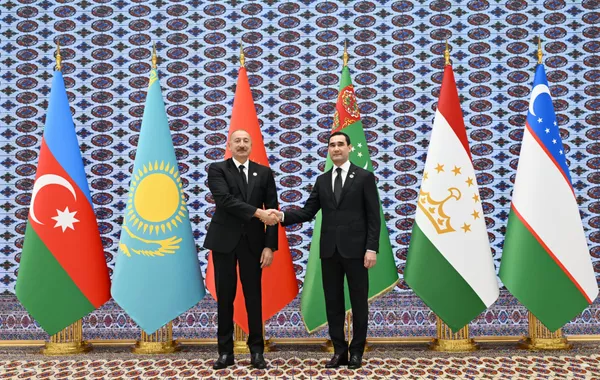
President Ilham Aliyev gave a direct answer to these questions interview with domestic television channels. Calmly, consistently, and without diplomatic evasions, he explained that Azerbaijan has neither the desire nor the intention to intervene in the situation in Gaza. There are those who would like to draw Baku into this process, but Azerbaijan itself sees no justification for doing so.
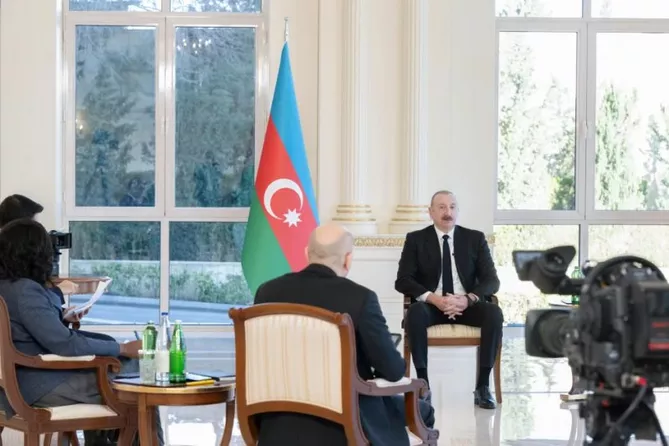
Photo: AZERTAC
This position has nothing to do with fear or lack of experience. Azerbaijan is one of the few countries that can speak about peacekeeping not in theory, but through real practice. Azerbaijani servicemen conscientiously fulfilled their duties as part of international forces in Afghanistan and remained there until the very end. After the last American soldier had already left the country, Azerbaijani troops helped maintain order at the airport, prevent chaos, and ensure the safe evacuation of civilians. Azerbaijani peacekeepers were among the last to leave Afghanistan. This fact alone dispels any speculation about hesitation or weakness.
The reasons for refusing to participate in a mission in Gaza lie elsewhere. First and foremost, there is a complete lack of clarity. The mandate is undefined, the format is unclear, and the line between peacekeeping and direct involvement in hostilities remains blurred. President Aliyev drew a firm distinction: a peacekeeping operation and an operation to enforce peace are fundamentally different. Azerbaijan has never taken part in combat operations outside its borders and does not intend to do so. The life of every Azerbaijani citizen is not a bargaining chip in geopolitical calculations.
At the same time, claims that Baku has ignored the Palestinian issue are simply untrue. The Embassy of Palestine has operated in Azerbaijan since the early 1990s and is funded in part by the Azerbaijani state. Yet Azerbaijan has never received meaningful support or solidarity in return, neither from Palestine nor from much of the Arab world.
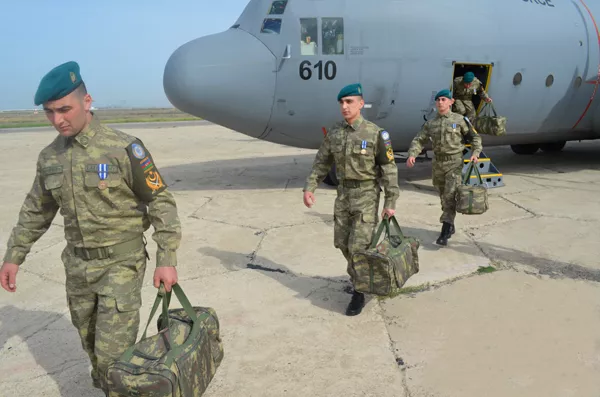
photo: MoD
This raises an obvious question: Why is Azerbaijan now expected to involve itself in the problems of another region? Azerbaijan faced its own tragedies alone. During the years of occupation of Azerbaijani territories, ethnic cleansing, and humanitarian catastrophe, there were no international conferences convened in its defense, no lines of donors, and no loud campaigns of solidarity. Many of the same Western capitals that today loudly champion Gaza preferred silence at that time. Gaza already has no shortage of defenders. Azerbaijan is not obliged to become another.
Particular attention should be paid to the statement made by the United States ambassador to the United Nations, who claimed that Azerbaijan had agreed to send troops to Gaza. This assertion came as an unpleasant surprise both to the public and to the president himself. Azerbaijan gave no such consent and officially informed the American side that such statements are unacceptable, as they create a false picture. It cannot be ruled out that this rhetoric was intended to draw others into the process by citing Azerbaijan as an example. From Baku’s perspective, such tactics are entirely unacceptable.
Azerbaijan has sent the American side more than 20 specific questions regarding the proposed mission and is awaiting answers. Until full clarity is provided, any participation is ruled out. It remains unclear whether the discussion concerns peacekeeping or peace enforcement, and the difference between these formats is not technical, but fundamental. It is a matter of life and death.
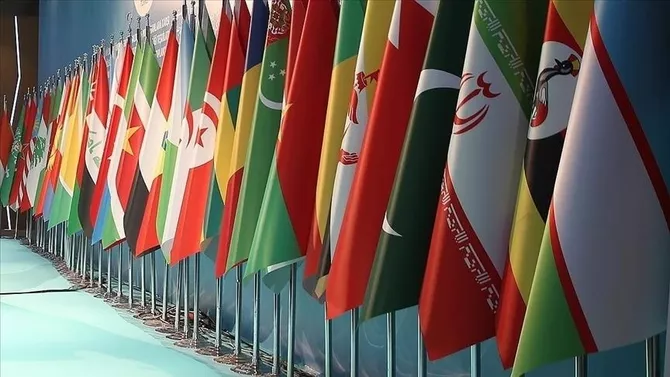
photo: AA
There is also a deeper, principled consideration. Baku firmly believes that the affairs of the Arab world should be resolved by Arab countries themselves. Non-Arab Muslim states should not rush ahead, displaying unnecessary activism where established regional mechanisms already exist, such as the Arab League and the Organization of Islamic Cooperation. Azerbaijan respects their decisions and follows them, but sees no need for performative initiatives.
Historical memory also plays a role. When Azerbaijan was in trouble, it stood alone. Palestine was among those that did not support it. Moreover, in the past, Palestine openly backed Armenia and the separatists in Karabakh. Statements by Yasser Arafat about Armenians and Palestinians being one people, his public displays of closeness with Robert Kocharyan, and support for Armenian terrorist groups are not forgotten in Baku.
Yes, after Arafat’s death, the Palestinian leadership adjusted its rhetoric, issuing statements in support of Azerbaijan’s territorial integrity. Relations became more pragmatic. But this does not mean Azerbaijan is obliged to sacrifice its interests or the lives of its citizens.
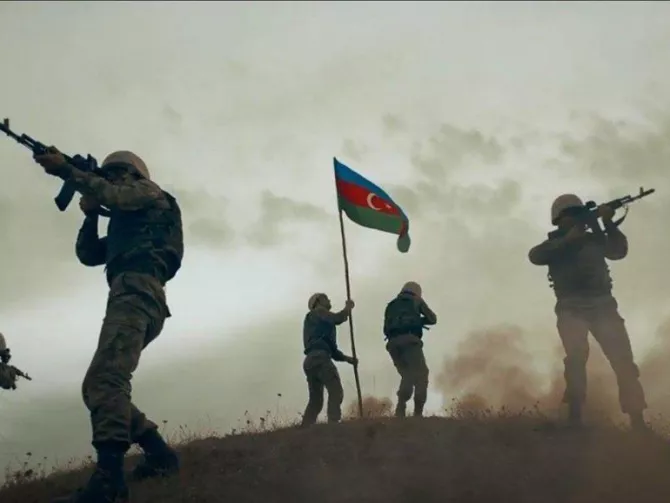
photo: APA
Azerbaijan has built strategically important relations with Israel. Israel was an ally of Baku during the Second Karabakh War. This does not imply unconditional support for all actions taken by the Israeli leadership in Gaza, but it does mean one thing: Azerbaijan does not consider itself obliged to intervene in a conflict in another region, especially one that in the past actively or tacitly supported Armenia.
When Israel conducted operations in Gaza, neither Egypt nor Jordan nor Saudi Arabia exerted serious pressure on Tel Aviv. Yet for some reason, demonstrations of Islamic brotherhood are expected specifically from Azerbaijan. Such expectations appear, at the very least, selective.
The United States would like to see Azerbaijan listed among the participants in a mission with vague goals and parameters. But Baku has its own view on this matter. The final decision will be made not in New York and not in Washington, but in Baku. President Ilham Aliyev has already articulated Azerbaijan’s position clearly and unequivocally in his interview on January 5. There is no room for double interpretations.