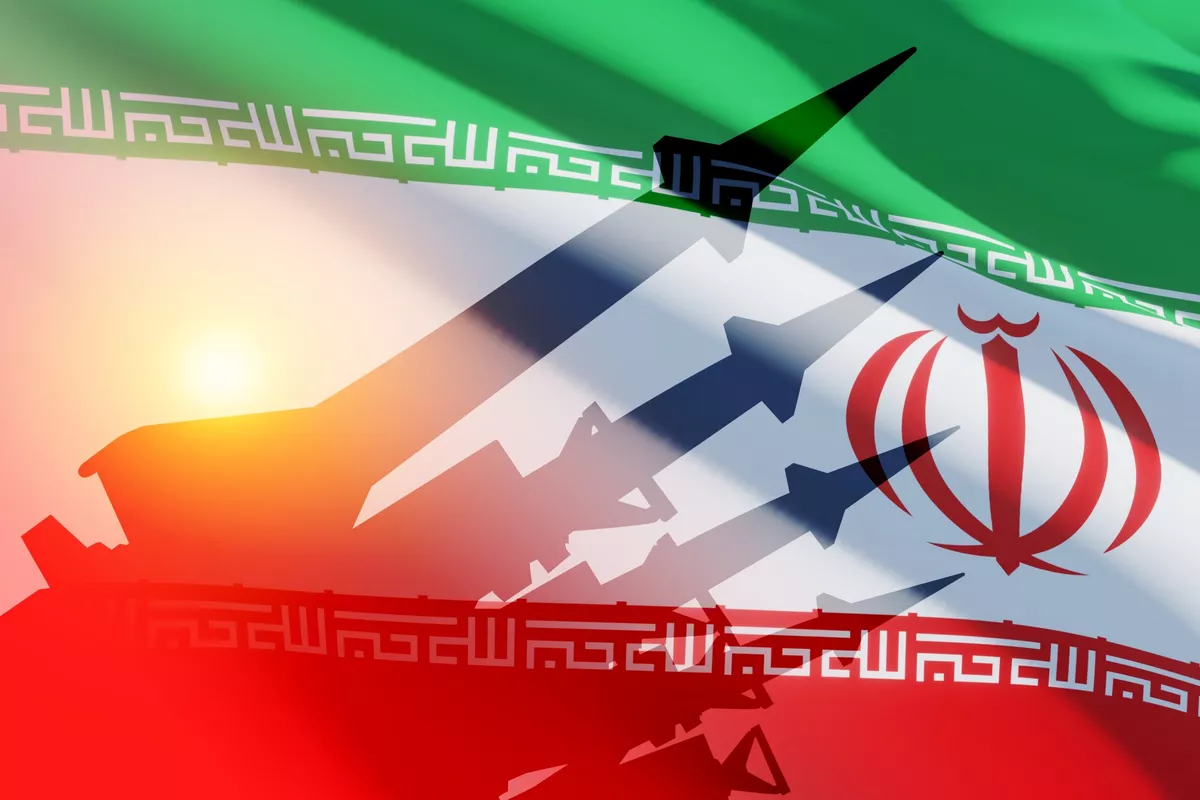
Recent developments in the Middle East are raising an important question: why is Iran increasing tensions not only with Israel and the United States, but also with several countries across the wider region?
Following attacks by Israel and the United States, Iran launched a series of retaliatory strikes across the region, targeting Saudi Arabia, the United Arab Emirates, Qatar, Kuwait, Bahrain, Iraq, Jordan, and even neutral Oman. As a result, a new geopolitical dynamic has begun to take shape. Several Arab states that previously avoided direct involvement in tensions with Iran are now reassessing their security environment.
At the same time, Iranian strikes reportedly reached areas connected to Western military infrastructure, including Cyprus, where a British base is located, and Türkiye. These developments are attracting growing attention from NATO countries. Naval forces from the United Kingdom, France, and Italy are moving toward the region, while the United States is reinforcing its military presence with the aircraft carrier USS George H.W. Bush.
All of this suggests that the situation may gradually move beyond a purely regional confrontation.
Tehran’s apparent goal may be to increase pressure in order to influence the strategic calculations of the United States and Israel. However, the broader effect has been a reassessment of regional alliances. Some Arab states are now placing greater emphasis on security cooperation with the United States and other international partners as a way to strengthen their strategic stability.
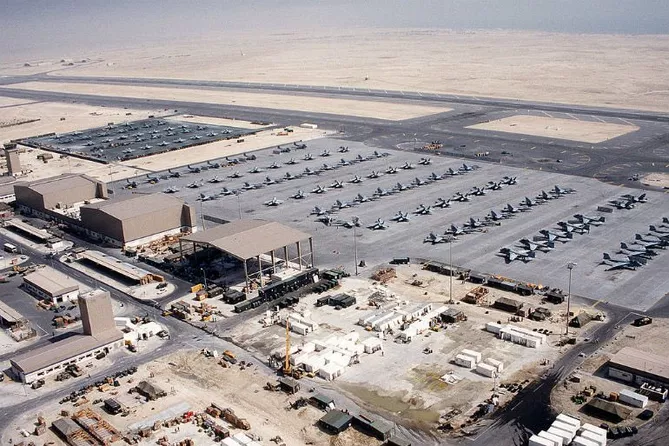
Iran had previously warned that in the event of military pressure it could respond by targeting American facilities across the region, particularly military bases, and by threatening the stability of maritime routes such as the Strait of Hormuz. A limited example of this occurred last summer when Iranian forces struck the American Al-Udeid Air Base in Qatar. At the time, the strike was largely interpreted as a signal rather than the beginning of a broader military escalation.
Getty images
The current situation, however, appears more complex.
Recent Iranian missile and drone operations have reportedly affected not only military facilities but also infrastructure of strategic importance, such as oil refineries, energy facilities, ports, airports, and communication networks. Such actions inevitably raise concerns about the potential expansion of the conflict’s scope.
Another development that has attracted considerable attention is the incident involving Azerbaijan.
On March 5, 2026, drones struck an airport and a school building in the Nakhchivan Autonomous Republic. The incident quickly became the subject of diplomatic discussions between Baku and Tehran.
Azerbaijan rejected statements suggesting that Israel might have been responsible for the attack. According to Azerbaijan’s Ministry of Defense, technical monitoring determined that four drones had been launched toward Nakhchivan from Iranian territory. One of them was intercepted by Azerbaijani air defenses, while the others struck civilian infrastructure, including a school building during school hours.
Azerbaijani authorities called on Iran to clarify the circumstances of the incident and to address the issue through appropriate diplomatic channels.
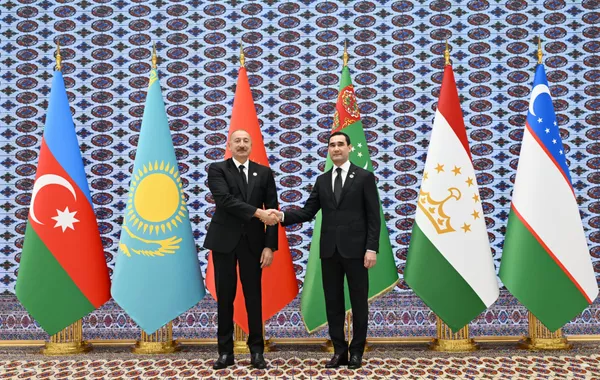
President Ilham Aliyev described the drone strike as a serious incident and instructed Azerbaijan’s armed forces to prepare response measures aimed at protecting national security and civilian infrastructure. Azerbaijan’s Prosecutor General’s Office also opened a criminal investigation into the incident.
Preliminary information indicated that one drone struck the terminal building of Nakhchivan International Airport, while another landed near an educational facility in the village of Shakarabad in the Babek district.
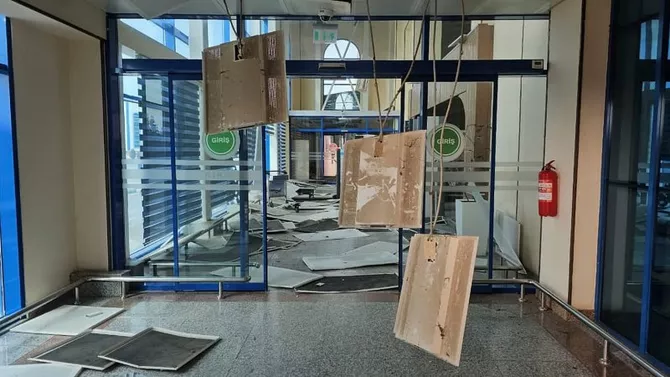
Photo: Azertac
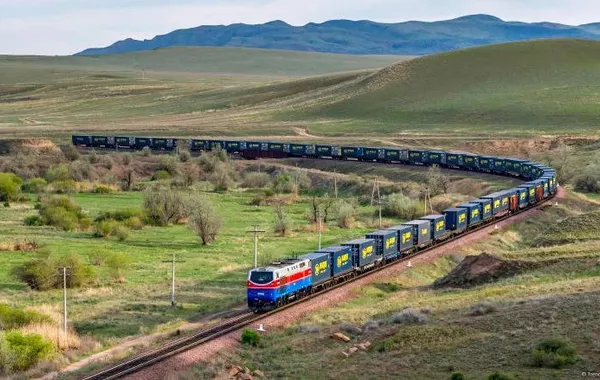
Earlier statements by Iranian officials had already indicated tensions related to the planned Trump Route for International Peace and Prosperity, a transit corridor also known as TRIPP. Some figures in Tehran expressed concern that the project could alter the strategic balance in the region. Former Iranian Foreign Minister Ali Akbar Velayati had previously criticized the initiative, while Iranian President Masoud Pezeshkian later adopted a more cautious tone on the issue.
Diplomatic exchanges between the two countries intensified after the incident. Azerbaijan summoned Iran’s ambassador Mojtaba Demirchilou to the Foreign Ministry and delivered a formal protest note. Iran, in turn, raised concerns about the reported presence of Israeli military specialists in Azerbaijan and called for clarification.
Statements by Iranian officials suggest that Tehran views any military activity connected to Israel near its borders as a matter of national security. At the same time, Iranian representatives have emphasized that Iran does not consider Azerbaijan itself to be an adversary.
Iran’s Supreme National Security Council Secretary Ali Larijani noted that Iran reserves the right to respond to attacks launched from the territory of third countries. However, other officials have also stressed the importance of maintaining stability and preventing further escalation between neighboring states.
Taken together, these signals suggest that there are different approaches within Iran’s political leadership regarding how to respond to the current situation. Some voices emphasize a firm security posture, while others appear to favor diplomatic solutions aimed at reducing tensions.
The coming weeks will likely determine which of these approaches will shape the region’s trajectory. The Middle East has repeatedly demonstrated that crises can evolve rapidly, but it has also shown that diplomacy and restraint remain essential tools for preventing broader instability.
In such a complex environment, careful strategic calculation and patience may ultimately play a decisive role in determining how the situation develops.