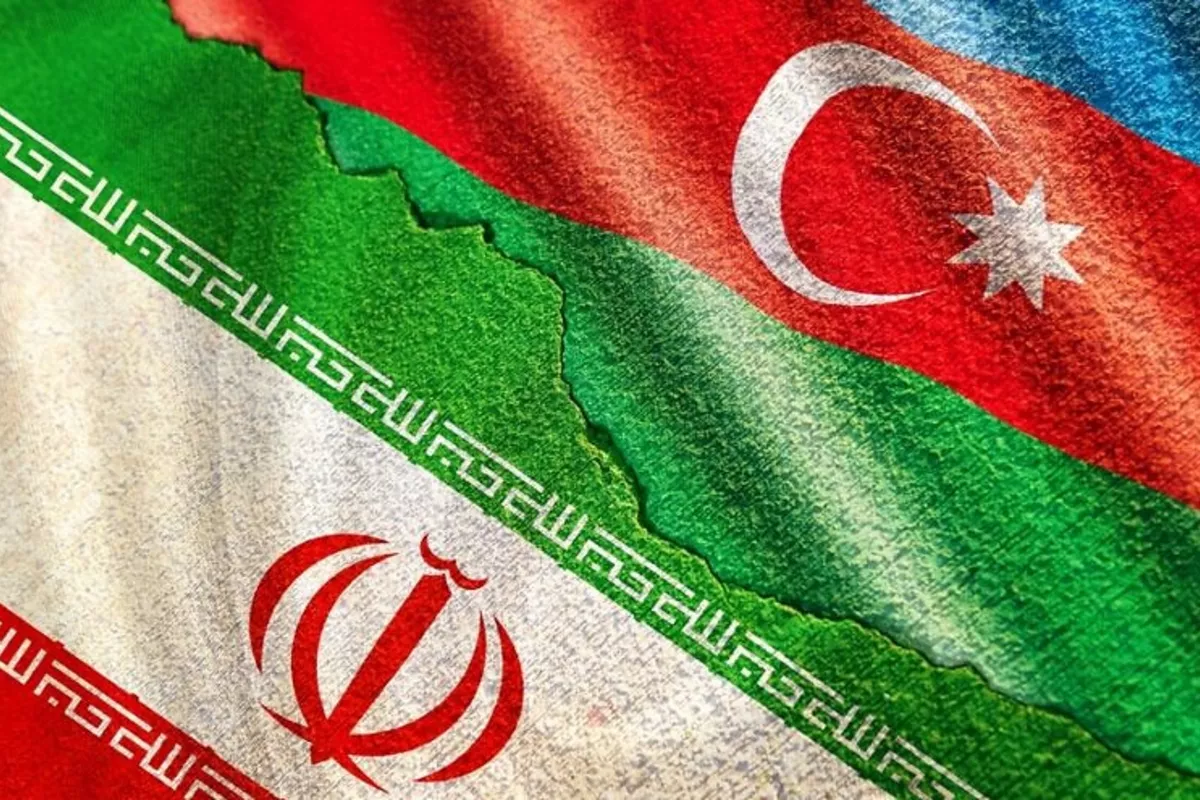
Diplomacy sometimes produces moments that reveal the true nature of relations between states. What happened between Azerbaijan and Iran in early March may become one of those moments.
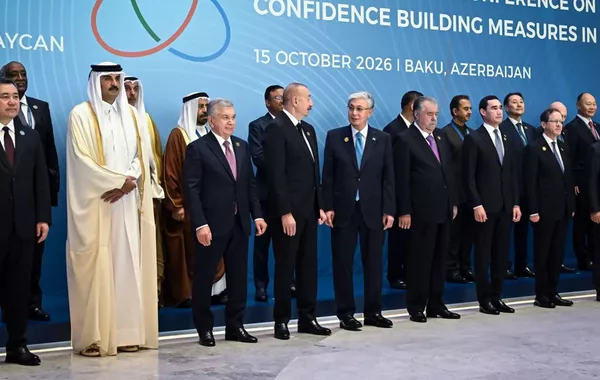
On March 4, Azerbaijani President Ilham Aliyev visited the Embassy of the Islamic Republic of Iran in Baku to express condolences following the death of Iran’s Supreme Leader Ayatollah Seyyed Ali Khamenei, as well as many civilians who had lost their lives. The Azerbaijani president signed the book of condolences and spoke with the Iranian ambassador, recalling his meetings with Khamenei during previous visits to Iran and noting that those meetings had left the most positive impressions.
The gesture was diplomatic, sincere, and respectful. It was meant to convey a simple message: Azerbaijan sympathizes with the losses of its neighbor and stands with the Iranian people during their time of grief.
Yet less than 24 hours later, Azerbaijan received what could only be described as a strange form of “gratitude.”
Two drones launched from Iranian territory struck the Nakhchivan Autonomous Republic. One of them hit the terminal building of Nakhchivan Airport. The second drone fell near a school in the village of Shakarabad. Videos circulating on social media show visible damage to the airport infrastructure, while reports indicate that two civilians were injured.
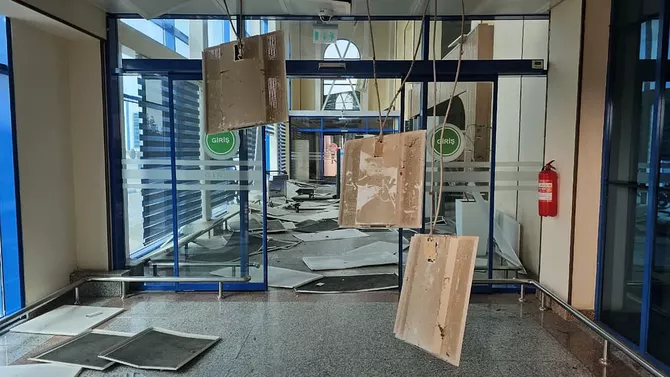
Photo: Azertac
The threat forced the evacuation of several educational institutions, including the Nakhchivan International Cambridge School, the Nakhchivan Teachers Institute, and nearby kindergartens.
Of course, everyone would prefer to believe that such incidents are accidents. Yet accidents tend to involve a single mistake, not multiple strikes directed at sensitive infrastructure.
An airport is not a random target. Airports are universally considered strategic facilities and are among the first targets during military operations or conflicts. When drones strike an airport, it inevitably raises questions about intent.
This is why the events in Nakhchivan have created a deeply troubling impression. Many observers now wonder whether Iran’s actions effectively signal a new stage of confrontation with Azerbaijan.
Azerbaijan, for its part, has consistently demonstrated restraint and responsibility in its relations with its southern neighbor.
President Aliyev has repeatedly stated that Azerbaijan will never allow its territory to be used as a platform for attacks for attacks against Iran. No aircraft, drone, or missile targeting Iran will ever be launched from Azerbaijani soil. Baku has also made it clear that it will not permit intelligence or sabotage activities against the Islamic Republic to be conducted from within its borders.

Photo: Azertac
And Azerbaijan has honored this commitment despite numerous tensions in bilateral relations.
Iran does not have many reliable partners in the region. At the same time, it faces a considerable number of adversaries who would gladly welcome Azerbaijan’s participation in anti-Iranian initiatives.
Yet Azerbaijan has never allowed itself to become part of such campaigns. Baku has consistently maintained a neutral position, even when pressure or opportunities to take sides emerged.
The reasons are obvious. Azerbaijan and Iran are neighbors with a long and complex history. Millions of ethnic Azerbaijanis live in Iran. Cultural, historical, and economic ties connect the two societies.
Most importantly, Azerbaijan has always pursued a policy of good-neighborly relations.
A clear illustration of this policy is the peace process with Armenia. Despite the enormous damage inflicted on Azerbaijan during decades of occupation, Baku has chosen diplomacy and reconciliation over revenge. Azerbaijan positions itself as a builder of peace and stability in the region.
This same philosophy has shaped Azerbaijan’s approach toward Iran.
Even the shocking terrorist attack on the Azerbaijani embassy in Tehran, carried out with the involvement of Iranian security structures, did not lead to a complete collapse of relations. Instead, Baku attempted to stabilize the diplomatic situation and prevent tensions from escalating into open hostility.
During that period, Iran repeatedly tested Azerbaijan’s patience. Tehran attempted to provoke confrontation, conducted military demonstrations near the border, and supported narratives portraying Azerbaijan as an enemy of the Islamic world.
Nevertheless, Baku continued to act with restraint. In fact, Azerbaijan’s goodwill dates back even further.
During the 2020 war, when Azerbaijani forces were advancing toward Jabrayil, they reportedly encountered Iranian units that had been illegally deployed on Azerbaijani territory. According to later reports, those forces were effectively attempting to support Armenian occupiers and hinder Azerbaijan’s military operations.
This information became public only years later. The reason was simple: Baku did not want the actions of certain Iranian officials to be interpreted as hostility from the Iranian people as a whole.
Azerbaijan has always sought peace rather than confrontation. Unfortunately, the leadership in Tehran appears not to have understood these intentions.
Over the years, the policies of the Iranian clerical establishment have often demonstrated strategic inconsistency. The consequences of such policies are now increasingly visible within Iran itself.
Unlike the rhetoric often heard from Tehran, Azerbaijan has never acted hypocritically toward its neighbor. Baku has never attempted to undermine Iran or attack it indirectly.
The persistent claims circulated by Iranian media suggesting that Azerbaijan hosts military infrastructure belonging to Iran’s adversaries are unfounded. Even Iranian security circles are well aware that such accusations are not supported by evidence. Nevertheless, similar narratives may now be used to justify the drone attack on Nakhchivan.
But even the most creative propaganda cannot easily justify attacks on civilian infrastructure.
The choice of the target is particularly significant. Iran understands perfectly well that Nakhchivan’s only direct connection with mainland Azerbaijan is through air transportation. By damaging the airport, any attacker would effectively attempt to isolate the region from the rest of the country.
History provides an uncomfortable parallel.
In the early 1990s, Armenia attempted to blockade Nakhchivan by cutting transport links while seeking to expand its military control. Those events remain a painful memory.
Today, similar tactics appear to be resurfacing, although the geopolitical environment is very different from what it was three decades ago.
The Azerbaijani Ministry of Defense has already announced that it is preparing necessary response measures aimed at protecting the country’s territorial integrity, sovereignty, and the safety of civilian infrastructure.
According to the official statement, responsibility for the attacks lies entirely with the Iranian side, and Azerbaijan will not ignore such actions.
Tehran would be wise to take this message seriously.
Iranian officials are well aware that Türkiye has issued strong warnings in the past after similar incidents involving “accidental” violations of its territory.
Iranian political discourse often revolves around the perceived threat of the “Turkic factor” or the broader idea of Turan. If Tehran chooses to escalate tensions with both Azerbaijan and Türkiye simultaneously, it may soon gain firsthand experience of what that factor truly means.
For Iran, the wiser path would be to avoid expanding the circle of confrontation.
Baku and Ankara currently maintain a cautious and restrained position. Preserving that neutrality may ultimately be in Tehran’s own strategic interest.
Iran’s security institutions therefore face a simple task: ensure that nothing else “accidentally” crosses the border into Azerbaijani territory again.
Because in today’s volatile regional environment, even a single incident can change the entire course of relations.
By Tural Heybatov