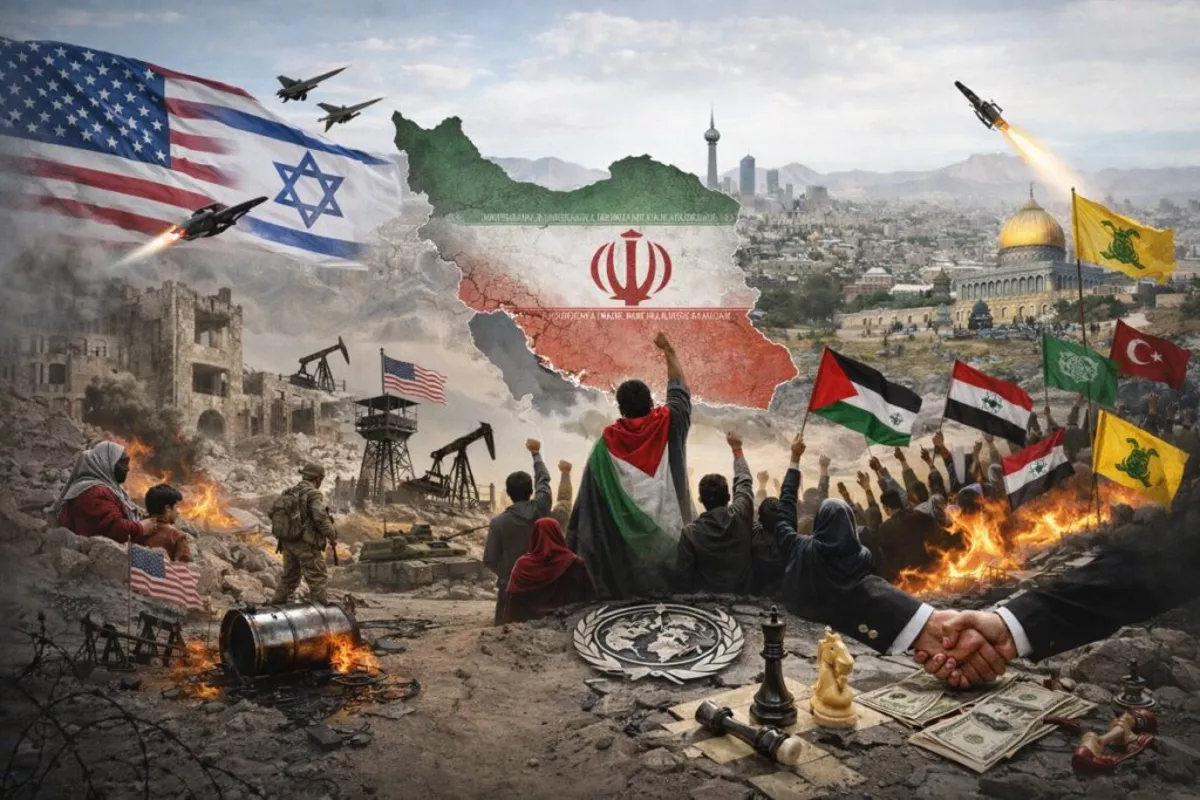
For decades, Iran has built its foreign policy narrative around the idea of defending the Muslim world. Tehran has consistently positioned itself as a state that stands against external pressure on Islamic countries and protects the interests of Muslims on the international stage. This message has frequently appeared in speeches by Iranian officials and in the country’s official propaganda.
However, the latest developments in the Middle East have created a completely different and highly paradoxical political landscape.
After the United States and Israel launched military operations against Iran, Tehran began striking American military facilities located across various countries in the region. Formally, the targets of these strikes were U.S. bases. Yet the geography of the Middle East means that many of these facilities are located on the territory of Arab and Muslim states.
As a result, missiles and drones launched from Iran have begun falling on the territory of countries that themselves are part of the Muslim world.
In recent days, several states have already felt the consequences of these attacks.
One of the first countries where incidents were recorded was the United Arab Emirates. In Abu Dhabi and Dubai, debris from intercepted missiles and drones fell after being destroyed by air defense systems. Fires and infrastructure damage were reported in several areas. Even if the intended targets were military facilities, the cities themselves were drawn into the atmosphere of war.
A similar situation unfolded in Qatar. Missile strikes were reported near the U.S. Al Udeid Air Base, some of which were intercepted by air defense systems. Nevertheless, residents of Doha heard explosions, while fragments of missiles fell in areas surrounding the capital.
Saudi Arabia has also experienced the consequences of the attacks. Drone activity and falling debris were recorded in the Riyadh region. Another episode involved an attack on oil infrastructure near Ras Tanura, where fires broke out and temporary disruptions in operations were reported.
In Kuwait, the consequences were even more serious. Despite the operation of air defense systems, some missiles and drones reached the country’s territory. As a result of falling debris, people were killed and dozens were injured.
Similar incidents were recorded in Bahrain, where air defense systems intercepted missiles heading toward military facilities. Nevertheless, fragments fell onto the country’s territory, posing risks to infrastructure and civilian safety.
Drone attacks were also reported in Oman, where strikes targeted port infrastructure and maritime facilities. The incidents resulted in casualties and injuries.
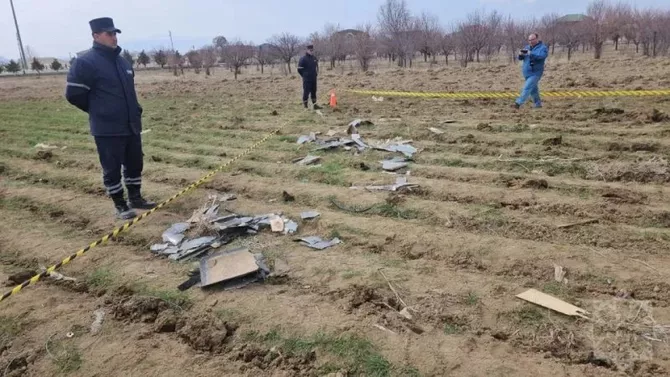
Yet one of the most alarming episodes was the drone attack on the territory of Azerbaijan.
Source: AZERTAC Iranian drones struck the Nakhchivan Autonomous Republic. One of the strikes targeted Nakhchivan Airport and areas near civilian infrastructure, including a location close to a school. Four people were injured as a result of the attack.
In response, Azerbaijani President Ilham Aliyev stated:
“I must also inform you that this morning I was told that Iran’s Deputy Foreign Minister called Baku and asked Azerbaijan to help evacuate staff members of the Iranian embassy who remained in Lebanon, as they themselves had no such capability. I immediately instructed that assistance be provided and that an aircraft be sent.
Moreover, they even said they were ready to pay for this operation. I replied: there is no need - if we do not help in difficult times, then when should we help?
And after all this - to strike Nakhchivan in such a dirty, treacherous and unworthy manner?! This shame will never be erased from their filthy and ugly face.”
This episode is particularly telling because Azerbaijan is not a party to the conflict between Iran and its adversaries. Nevertheless, its territory still came under attack.
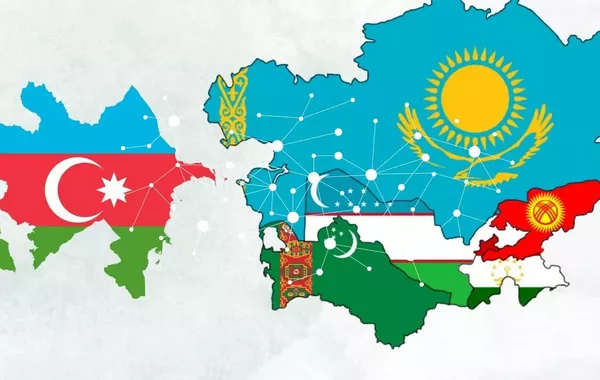
Within a short period of time, the consequences of the war have thus spread across a number of Muslim countries, including Azerbaijan, the United Arab Emirates, Qatar, Saudi Arabia, Kuwait, Bahrain and Oman.
This creates a clear political paradox.
A country that for many years has claimed the role of defender of the Islamic world now finds itself in a situation where its own military actions are effectively bringing war onto the territory of Muslim states.
Missiles and drones aimed at military targets are falling on the soil of Islamic countries, threatening civilian infrastructure and creating risks for ordinary people.
For many governments in the region, this means that the confrontation between Iran and its adversaries is gradually transforming into a broader security problem for the entire Muslim world.
That is why an increasingly pressing question is now emerging across the region: has Tehran’s current strategy led to a situation in which countries that were once considered natural partners are beginning to view Iran not as a protector, but as a source of new instability?
History provides many examples of states that claimed to defend a particular idea only to face the reality that their own actions eventually produced the opposite effect.
The events of recent days suggest that such a paradox may now be forming around Iran.
A country that has spoken for decades about defending the Muslim world now risks finding itself in a position where it is precisely Muslim states that are beginning to feel the consequences of its war.